



Contents
Key Takeaways
- Ethereum’s valuation reaches approximately $264.7B compared to XRP’s $81.6B market capitalization
- Over $166B in stablecoin value exists on Ethereum’s network, cementing its DeFi leadership
- XRP maintains a 100B token hard cap, though Ripple’s escrowed holdings create supply pressure
- Ripple’s SEC legal battle has concluded with a $125M penalty and injunction still in effect
- Ethereum’s development pipeline includes major upgrades like Glamsterdam and Hegotá scheduled for 2026
With more than $166 billion in onchain stablecoin value and over 507,000 daily active addresses, Ethereum operates as a comprehensive financial platform, whereas XRP maintains its concentration on cross-border payment solutions with developing institutional applications.
According to CoinGecko data, Ethereum maintains a market capitalization near $264.7 billion. XRP registers at approximately $81.6 billion. This substantial differential demonstrates how the market assigns distinct values to these two blockchain networks.
When examining fully diluted valuation, XRP approaches $132.9 billion, as only 61 billion of its total 100 billion token allocation currently circulates. Ethereum’s fully diluted assessment remains virtually identical to its circulating market cap, given that nearly its entire supply is already available.
This supply dynamic carries significance for portfolio allocation decisions. While XRP features a predetermined maximum token count that certain investors view favorably, Ripple maintains substantial token reserves in escrow arrangements, generating persistent supply pressure that market participants must consider.
Following the Merge transition to proof-of-stake consensus, Ethereum eliminated execution layer issuance entirely, as documented by Ethereum.org. Validator participants receive staking compensation, while transaction fee burning mechanisms create more complex token economics.
Network Activity Highlights Ethereum’s Advantage
Data from DefiLlama indicates Ethereum supports approximately $166 billion in onchain stablecoin market capitalization. Weekly transaction volumes across decentralized exchanges and perpetual markets reach billions of dollars. These metrics demonstrate Ethereum’s role extending far beyond value storage—it serves as infrastructure for substantial crypto economic activity.
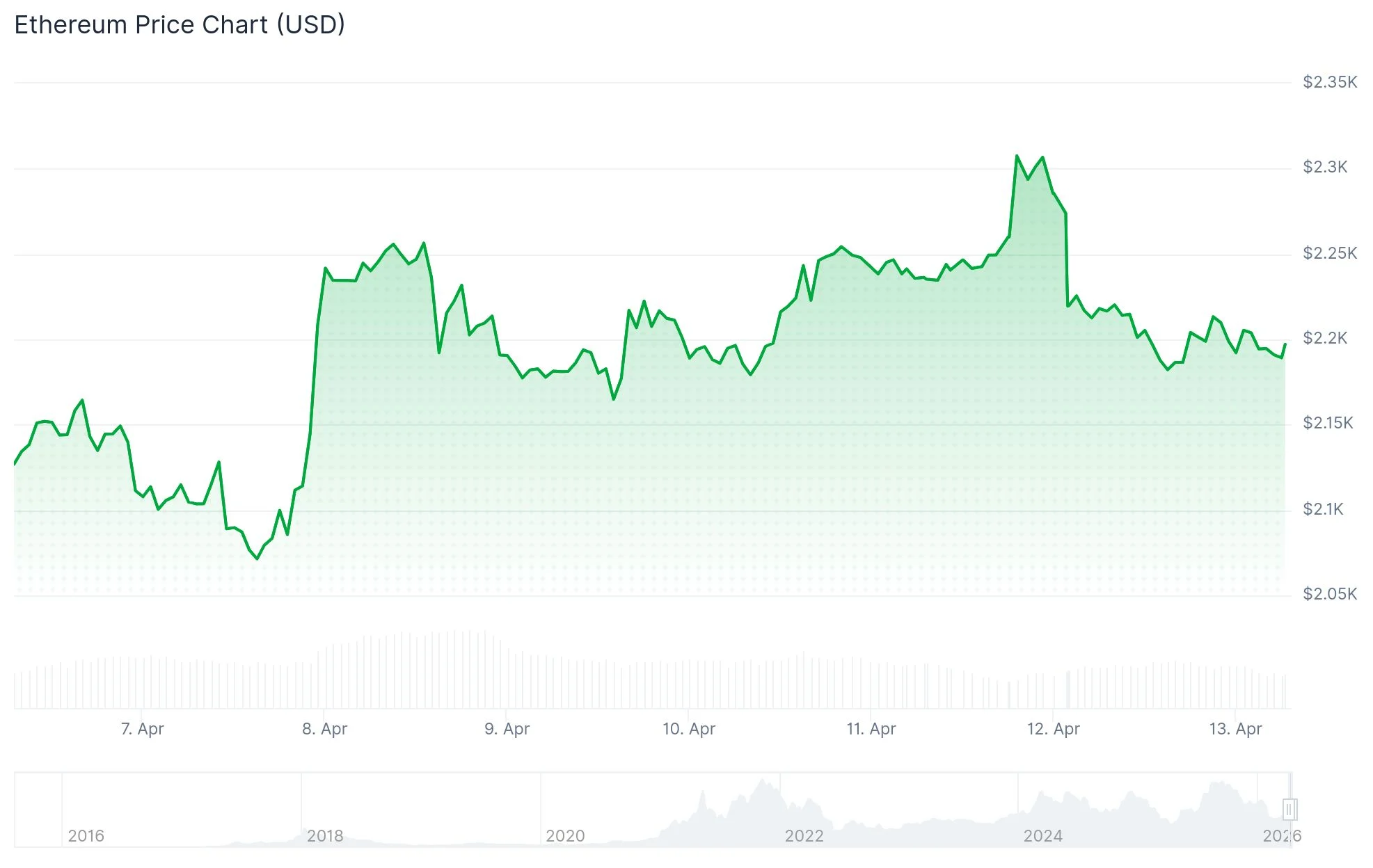
The XRP Ledger pursues ecosystem expansion initiatives. Ripple introduced a fintech builder program in February focusing on stablecoin payment systems, credit infrastructure development, asset tokenization, and regulated financial services. However, this initiative remains nascent compared to Ethereum’s established ecosystem.
Ethereum maintains a robust technical development schedule. The Pectra and Fusaka upgrades have already been deployed. According to Ethereum.org, Glamsterdam and Hegotá upgrades are under development for 2026 implementation. Investment capital generally gravitates toward networks demonstrating consistent improvement delivery while maintaining dominance in user adoption and capital deployment.
XRP’s regulatory environment has stabilized significantly. Reuters coverage confirmed that the Securities and Exchange Commission’s prolonged case against Ripple has essentially concluded. While a $125 million penalty and court injunction regarding institutional token sales persist, the primary regulatory uncertainty has dissipated.
The Investment Case for XRP
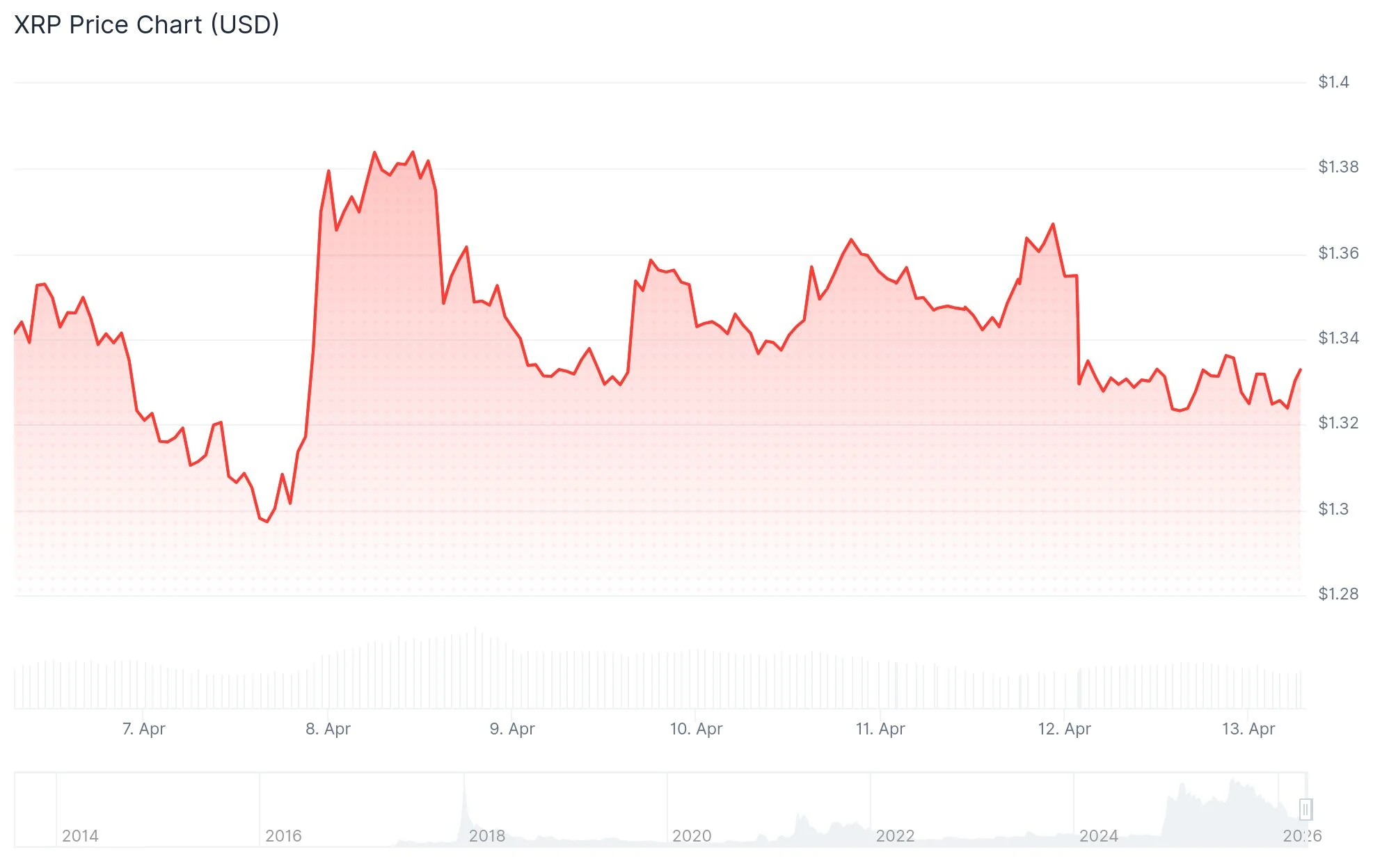
For those seeking a streamlined investment thesis, XRP presents a clearer narrative. Its value proposition concentrates on payment infrastructure and financial system integration. When regulatory developments or Ripple partnership announcements emerge, XRP typically demonstrates immediate price response.
Citi reduced its 12-month price projection for Ethereum this year, referencing subdued user engagement metrics. Nevertheless, the same analysis acknowledged stablecoins and tokenization as fundamental network value drivers. This nuance deserves attention.
Ethereum operates at the intersection of multiple significant cryptocurrency developments simultaneously. XRP relies more heavily on a singular concept—payment system adoption—achieving widespread implementation.
Both blockchain networks demonstrate technical progress and genuine real-world applications. The distinction lies in the scope of activity each platform currently facilitates.
Final Thoughts
Ethereum provides superior liquidity depth, wider functional utility, and captures a larger portion of cryptocurrency’s actual economic transactions. XRP offers regulatory certainty, predetermined supply mechanics, and a focused payments value proposition. Based on current network performance data, Ethereum maintains the stronger overall investment position.
