



Key Takeaways
- March 2024 saw Tesla deliver 11,134 vehicles in South Korea, representing a 330% increase year-over-year.
- The automaker became the first imported vehicle brand to surpass 10,000 monthly sales in the South Korean market.
- Electric vehicles claimed 47.8% of imported car sales, overtaking hybrid vehicles for the first time.
- Tesla’s first-quarter deliveries in South Korea reached 20,964 units, marking its second-strongest quarterly performance in the nation.
- Chinese automaker BYD broke into South Korea’s top four imported brands for the first time.
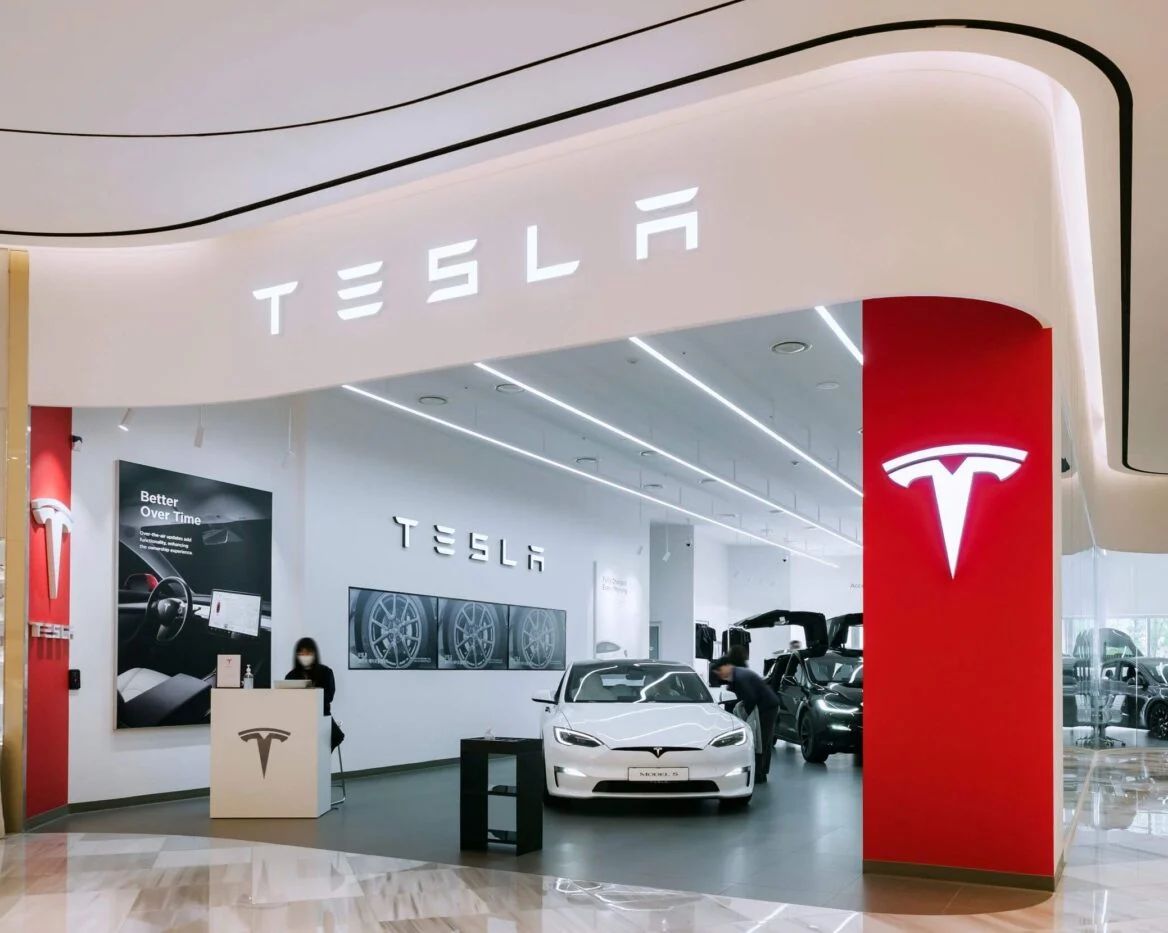
March 2024 marked a watershed moment for Tesla in South Korea. The electric vehicle manufacturer delivered 11,134 units in the country—a staggering 330% increase compared to the same period last year, based on data from automotive market analyst Carisyou.
TESLA SEES S.KOREAN CAR REGISTRATIONS RISE 330% TO 11,134 VEHICLES IN MARCH FROM YEAR EARLIER – MARKET RESEARCHER CARISYOU
— *Walter Bloomberg (@DeItaone) April 6, 2026
This remarkable achievement established a new benchmark in South Korea’s automotive industry. Tesla became the first foreign car manufacturer to break through the 10,000-unit barrier in a single month within the South Korean market.
The market dynamics revealed an even more significant transformation. Electric vehicles surpassed hybrid sales for the first time in South Korea’s history, commanding 47.8% of all imported vehicle sales.
Looking at the broader quarterly picture, Tesla delivered 20,964 vehicles throughout Q1 in South Korea—the company’s second-most successful three-month period in the market. This impressive 335% year-over-year increase was partially attributed to the accelerated distribution of government EV incentives, which were announced in January instead of the typical March timeframe.
Tesla further stimulated demand through strategic pricing adjustments on its Chinese-manufactured Model Y and Model 3 vehicles, triggering intensified price competition throughout South Korea’s electric vehicle sector.
March’s brand performance rankings revealed a significant shift. Tesla secured a position among the top three alongside BMW and Mercedes-Benz—marking the first time an all-electric manufacturer competed directly at this level with established German luxury brands that maintain diversified powertrain offerings.
Six-Seat Model Y L Generates Strong Interest
Meanwhile, anticipation is building for Tesla’s upcoming release. The newly designed six-seat Model Y L has attracted substantial visitor traffic at Tesla’s Starfield Hanam exhibition space in Seoul prior to its official market debut.
The Model Y L incorporates an extended wheelbase measuring approximately 150mm longer than the standard version, implements a distinctive 2-2-2 seating configuration, and offers an estimated driving range of 543 kilometers. The vehicle has secured regulatory clearance in South Korea and is currently available for public viewing in multiple exterior finishes.
Tesla has simultaneously launched Model Y L pre-ordering across eight markets throughout Asia, encompassing Japan, Hong Kong, and Singapore.
Chinese Competitor Makes Market Entry
Tesla’s dominance hasn’t gone unchallenged. Chinese electric vehicle giant BYD secured a position among South Korea’s top four imported automotive brands for the first time—representing a significant development in a marketplace historically controlled by European manufacturers.
BYD leverages substantial production capacity and an extensive electric vehicle portfolio, frequently offered at aggressive price points. This market entry ensures South Korea’s EV landscape has evolved beyond a simple competition between Tesla and traditional German luxury brands.
Tesla’s worldwide delivery figures provide important perspective. Global deliveries declined 14% quarter-over-quarter in the most recent period, falling short of analyst projections. Should production capacity and logistics fail to match South Korean demand levels, competing manufacturers may find opportunities to expand their market presence.
The upcoming months will serve as a crucial evaluation period—determining whether March’s record-breaking performance and strong pre-launch Model Y L engagement can be sustained throughout the second quarter.
