



Key Highlights
- Spirit Aviation (FLYYQ) shares rocketed as much as 218% on Wednesday following government bailout reports
- Negotiations involve approximately $500 million in emergency federal financing from the Trump administration
- The proposed arrangement may include warrants granting the government equity ownership in Spirit Airlines
- Without external financial assistance, Spirit was approaching possible liquidation
- Soaring jet fuel costs, which have nearly doubled in certain U.S. regions, continue to strain the carrier’s finances
The struggling budget airline has faced mounting challenges for months. However, Wednesday brought a dramatic turn of events that sparked investor optimism.
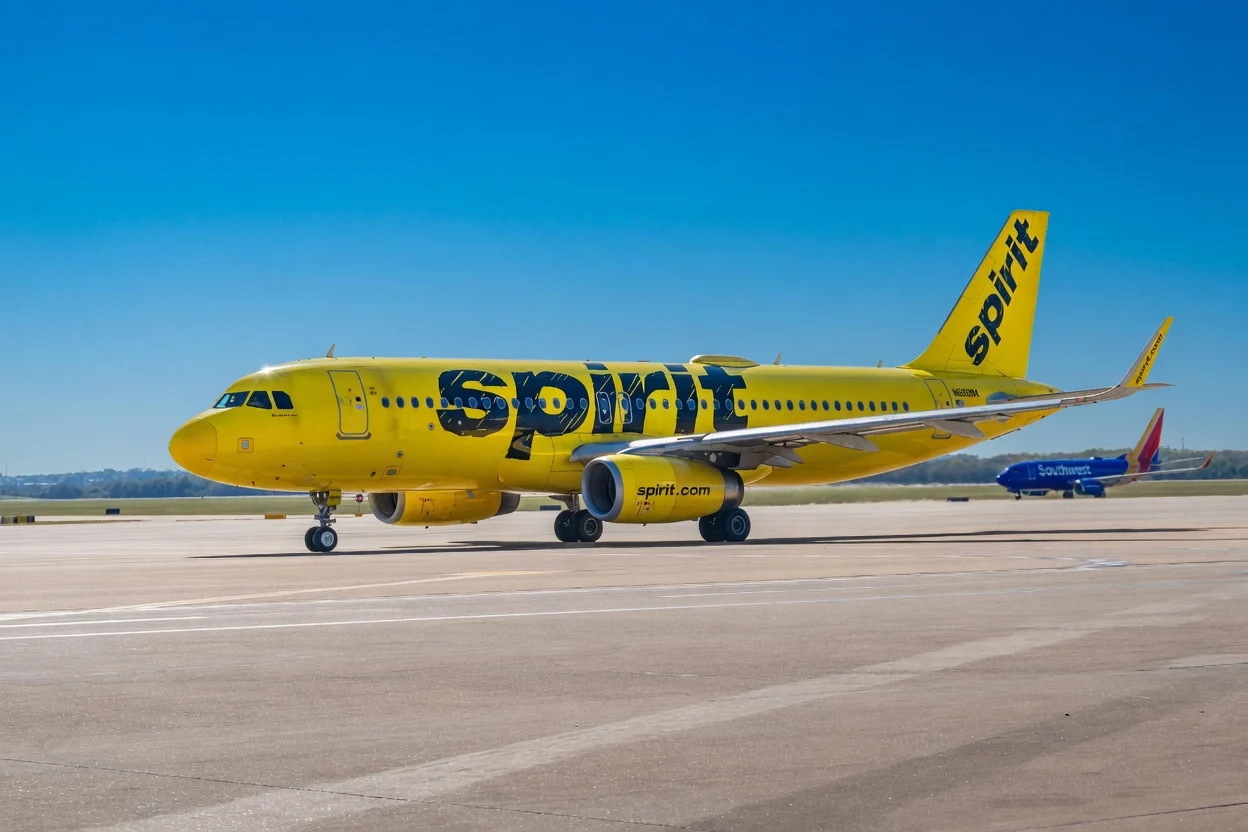
Spirit Aviation Holdings (FLYYQ) experienced an extraordinary rally, climbing as much as 218% during Wednesday’s trading session after news broke that the Trump administration is holding substantive discussions about delivering approximately $500 million in critical emergency funding to the financially troubled discount airline.
Spirit Aviation Holdings, Inc., FLYY
The dramatic price movement followed a 122% surge on Tuesday, when initial reports surfaced that Spirit had approached federal officials seeking financial assistance.
According to The Wall Street Journal’s initial coverage, later verified by CNBC through confidential sources, the discussions are progressing toward a potential agreement.
Under the terms being considered, the federal government would extend senior-level financing, positioning itself above existing creditors and stakeholders. The arrangement may also feature warrants—financial instruments allowing the government to purchase Spirit shares at predetermined prices—effectively paving the way for significant governmental ownership.
President Trump acknowledged the situation during a Tuesday appearance on CNBC’s Squawk Box, stating: “Spirit’s in trouble, and I’d love somebody to buy Spirit. It’s 14,000 jobs, and maybe the federal government should help that one out.”
White House spokesperson Kush Desai criticized the prior administration’s role in Spirit’s predicament. “Spirit would be on a much firmer financial footing had the Biden administration not recklessly blocked the airline’s merger with JetBlue,” Desai remarked.
Spirit refrained from directly addressing the financing discussions. However, the airline issued a statement reassuring customers: “We are operating our business as normal; Guests can continue to book, travel and use tickets, credits and loyalty points as usual.”
The Association of Flight Attendants-CWA, representing Spirit’s flight attendants, expressed support for federal intervention. “We are hopeful that the government will recognize the needs for emergency funds especially in the current economic environment,” a union representative stated.
The Journey to Financial Crisis
Spirit entered its second Chapter 11 bankruptcy filing in August, occurring less than twelve months after its initial bankruptcy. The airline had implemented aggressive cost-cutting measures, reduced fleet size, and concentrated operations on profitable routes. Union agreements with pilots and flight attendants included furloughs designed to preserve cash flow.
Management announced in February that emergence from bankruptcy protection was anticipated during late spring or early summer. Those projections became increasingly uncertain as jet fuel prices surged dramatically—nearly doubling in certain U.S. markets—creating additional financial strain.
The collapse of Spirit’s proposed merger with JetBlue two years earlier eliminated what the carrier had considered a crucial exit strategy.
Understanding the Proposed Rescue Package
A targeted $500 million federal loan to a single airline represents an uncommon approach. Historical government support for the aviation sector—including post-9/11 assistance and COVID-19 relief programs—was distributed industry-wide rather than directed to individual carriers.
The Trump administration has previously acquired equity stakes in companies deemed strategically significant, including Intel and USA Rare Earth. Spirit would represent an unprecedented case as the first company in active bankruptcy proceedings to receive such treatment.
Specific deal terms remain unfinalized and subject to modification.
Spirit Aviation currently operates without coverage from major Wall Street analysts. According to TipRanks’ Technical Analysis tool, the stock presently displays a Buy signal based on three Bullish indicators and two Bearish signals recorded within the last month.
