



Key Takeaways
- XRP commands a market capitalization of approximately $89.4B compared to Solana’s $55.1B, providing Solana with greater percentage growth potential
- XRP specializes in payment solutions and international settlements; Solana offers diverse applications including payments, stablecoins, decentralized trading, and asset tokenization
- In March 2026, Solana unveiled its Developer Platform with Mastercard, Worldpay, and Western Union among its initial adopters
- While Ripple’s SEC litigation has concluded, a $125 million penalty and restrictions on institutional token sales persist
- Investment professionals generally recommend Solana for extended growth trajectories and XRP for more stable, payment-oriented holdings
XRP and Solana represent two of the cryptocurrency market’s most closely monitored digital assets. However, determining which deserves your investment requires more than simply comparing speed or size metrics. These blockchain networks serve distinct purposes, and their trajectories are currently diverging in meaningful ways.
According to CoinGecko data, XRP maintains a market capitalization hovering around $89.4 billion, while Solana holds approximately $55.1 billion. Although XRP represents the larger cryptocurrency by valuation, this positioning actually provides Solana with substantially more potential for percentage-based appreciation should network adoption accelerate.
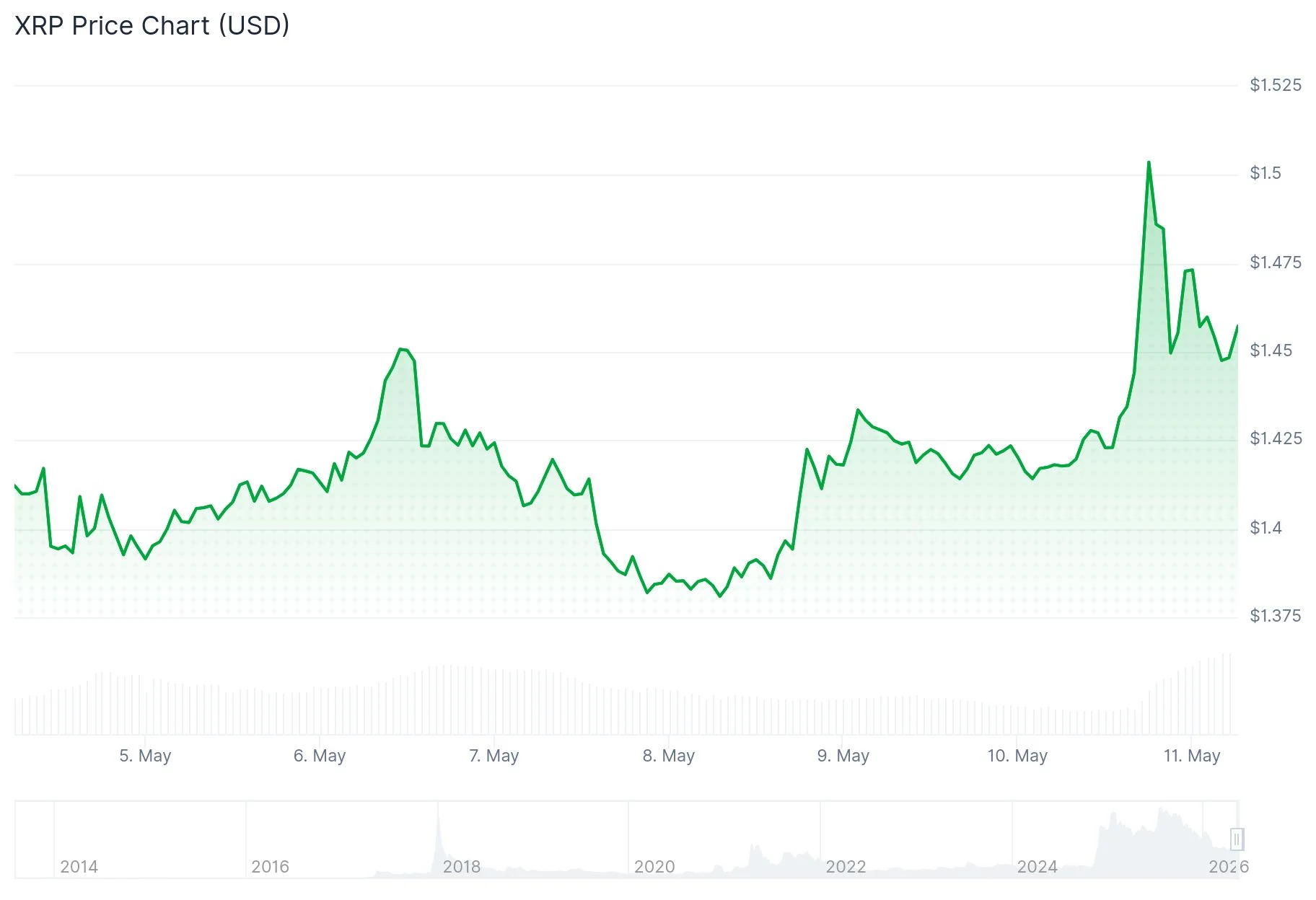
XRP was engineered specifically for payment processing. The XRP Ledger processes transactions within 3 to 5 seconds while charging minimal fees measured in fractions of a penny. This remains a compelling value proposition, and Ripple has been actively extending its reach into institutional financial services, tokenized asset management, and regulatory compliance infrastructure layered atop this foundational technology.
Ripple recently concluded its extended legal confrontation with the Securities and Exchange Commission. While the case has officially ended, the company faces a $125 million financial penalty and ongoing restrictions concerning institutional token distribution. The primary regulatory uncertainty has diminished, though certain constraints remain active.
Solana’s Diversified Expansion Strategy
Solana pursues development across a significantly broader range of sectors. Its ecosystem encompasses stablecoin infrastructure, commercial payment systems, decentralized exchange platforms, tokenized securities, and enterprise-grade blockchain solutions. This diversified approach creates multiple growth channels even if individual segments experience temporary slowdowns.
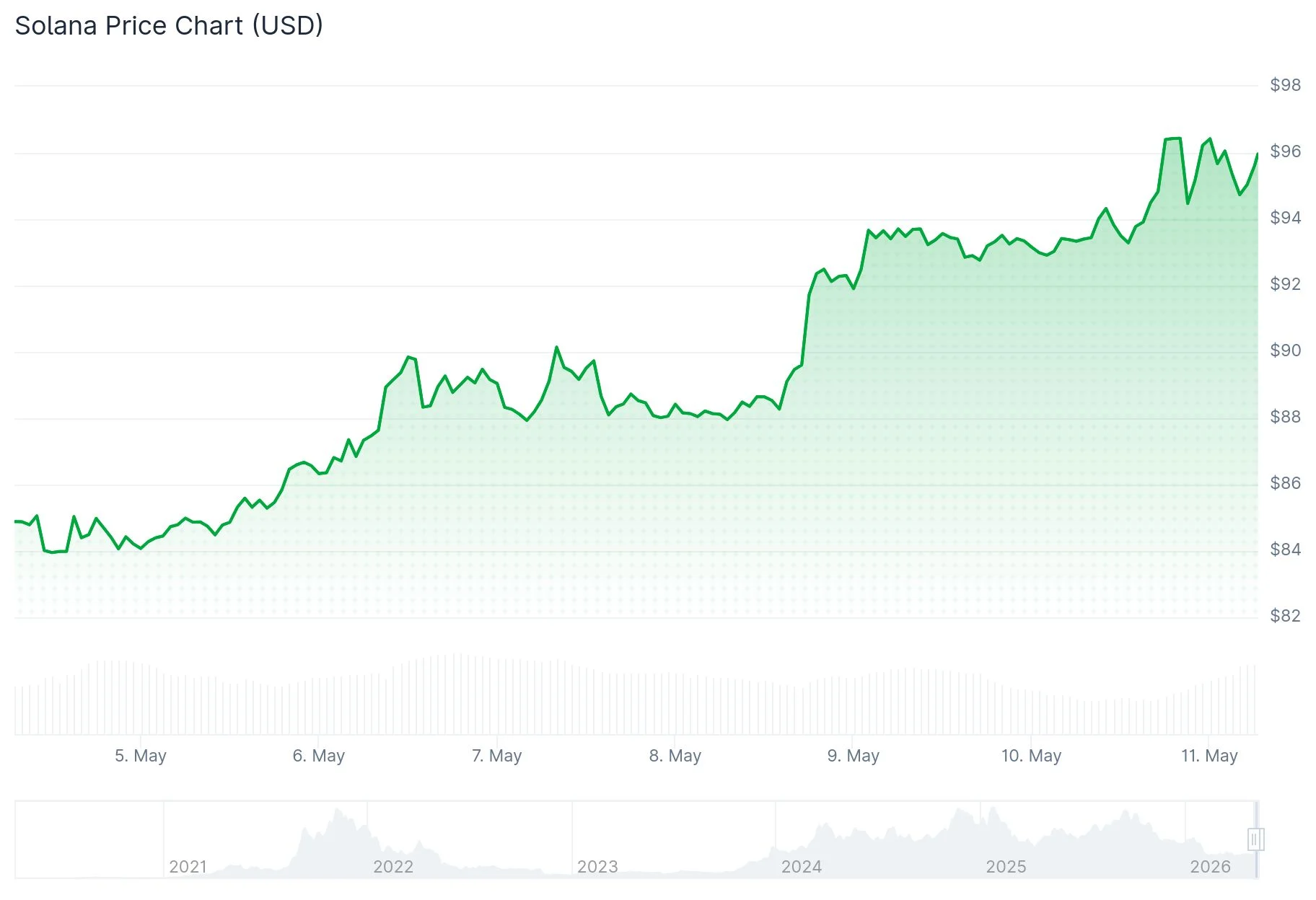
The Solana Foundation introduced its Developer Platform in March 2026, specifically designed for enterprise organizations constructing blockchain-powered payment and token issuance infrastructure. Among the platform’s initial partners are Mastercard, Worldpay, and Western Union. These partnerships represent concrete evidence that Solana is successfully penetrating legitimate financial infrastructure markets beyond retail cryptocurrency speculation.
Solana experiences ongoing token inflation through its staking reward mechanism, although this inflation rate decreases progressively over time. XRP features zero new token creation since its complete supply was established at network inception, providing it with more straightforward supply dynamics from an analytical perspective.
This represents a fundamental trade-off. XRP presents cleaner tokenomic transparency in theory. However, Solana has demonstrated markedly faster growth in both network utilization and practical utility applications.
XRP’s Continuing Competitive Advantages
XRP maintains its position as the superior option for investors seeking a specialized, payment-focused cryptocurrency. Its market positioning remains well-defined, and Ripple persistently advances its integration into banking infrastructure and international settlement systems at the institutional level.
For those with shorter investment horizons, XRP typically demonstrates greater resilience during periods of negative market sentiment. It experiences less dramatic volatility compared to Solana, which frequently undergoes steeper corrections when risk appetite contracts across financial markets.
Solana presents stronger probabilities for outperformance across extended timeframes, but this potential arrives with elevated volatility characteristics. Prospective investors must accept this heightened price fluctuation before selecting Solana over XRP.
The most significant recent milestone remains Solana’s March 2026 enterprise platform introduction, which secured three prominent financial institutions as initial participants. This development provides the clearest indication of where institutional momentum currently favors one asset over the other.
