



Key Highlights
- Flash memory maker SanDisk (SNDK) secures Nasdaq 100 membership effective April 20, taking over from Atlassian (TEAM).
- Shares jumped 1.8% to $866.90 during pre-market hours following the announcement.
- The company has delivered remarkable returns: 259% in 2026 and a staggering 2,439% over the trailing twelve months.
- Passive fund managers tracking the Nasdaq 100 will be compelled to purchase SNDK shares to maintain index alignment.
- Atlassian’s removal follows a brutal 65% decline in 2026 amid AI disruption concerns.
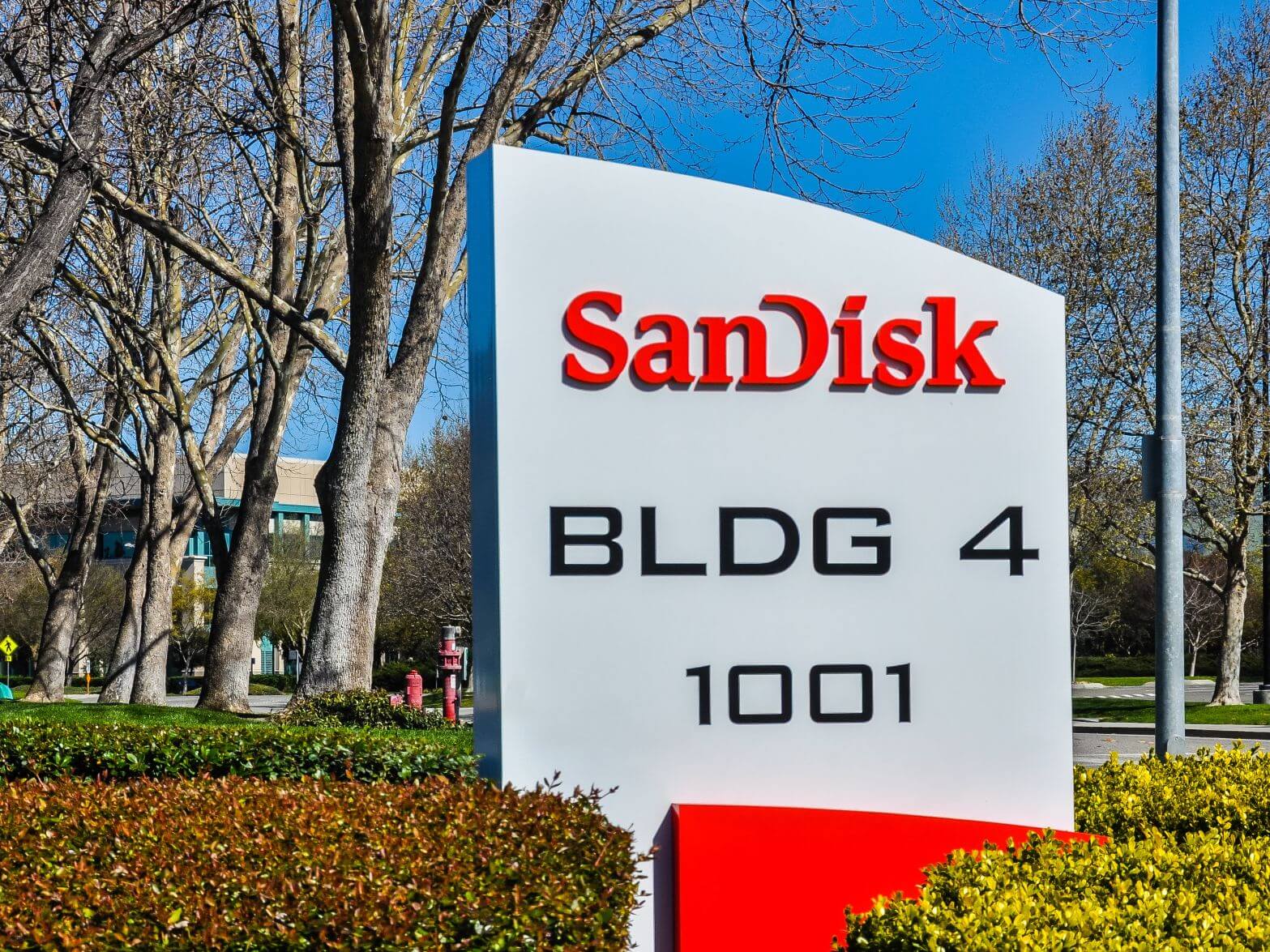
Flash memory manufacturer SanDisk has secured a coveted position in the Nasdaq 100, prompting an immediate market response. Shares advanced 1.8% to $866.90 during Monday’s pre-market session after Nasdaq officially announced the inclusion, which becomes effective at market open on April 20.
This milestone comes on the heels of an extraordinary performance period for SNDK shares. Year-to-date in 2026, the stock has surged 259%, while its twelve-month return stands at an eye-popping 2,439%. The remarkable rally has been fueled by robust demand for NAND flash memory, driven primarily by the massive expansion of artificial intelligence infrastructure and data centers.
SanDisk steps into the vacancy created by Atlassian (TEAM), a company experiencing the inverse trajectory. TEAM shares have plummeted 65% during 2026, battered by investor concerns that emerging AI-powered tools pose an existential threat to its traditional collaboration software business model.
The Significance of Benchmark Addition
Securing a position in a flagship index like the Nasdaq 100 carries substantial implications beyond prestige. Exchange-traded funds and mutual funds that replicate the index’s performance must reallocate their portfolios to mirror the new composition. This mandatory rebalancing creates systematic buying pressure that frequently provides price support around the effective inclusion date.
Broader market sentiment proved less optimistic on Monday, with S&P 500 futures declining 0.6% after President Trump announced a blockade of the Strait of Hormuz, triggering investor anxiety.
For SanDisk, the Nasdaq 100 membership essentially validates what market participants have already recognized: the company has evolved into a fundamental technology holding. The resulting influx of passive investment capital may increase the stock’s sensitivity to sector-wide movements rather than company-specific developments alone.
The company’s ascent has been underpinned by constrained NAND supply meeting explosive AI data-center requirements. Wall Street analysts have responded with consecutive price target increases. The index placement positions SanDisk alongside America’s dominant technology corporations.
Atlassian Faces the Consequences
Atlassian’s removal from the Nasdaq 100 demonstrates how rapidly market dynamics can reverse. The Australian software provider has watched its market capitalization contract as investors increasingly fear that AI-native solutions will cannibalize its established collaboration platform offerings.
TEAM shares declined an additional 3% on Monday, compounding its 2026 losses.
The official rebalancing takes effect April 20. Beginning that date, institutional investment vehicles benchmarked to the Nasdaq 100 will include SanDisk as a mandatory portfolio component.
Market observers have also identified potential headwinds for SanDisk. A transition from current supply constraints to potential oversupply conditions, combined with increasing negotiating leverage from hyperscale cloud customers, could compress profit margins. Nevertheless, earnings growth projections remain robust for now.
SanDisk currently vies for investor capital alongside memory industry competitors including Micron and Samsung. The Nasdaq 100 membership elevates it to an even more prominent competitive landscape. The company’s upcoming earnings report — particularly commentary regarding NAND pricing dynamics and production capacity — will attract heightened scrutiny from the expanded institutional investor base now tracking its performance.
