



Key Takeaways
- Tron founder Justin Sun labeled WLFI’s governance proposal as an unprecedented abuse of power
- More than 62 billion WLFI tokens would be locked for up to four years under the new plan, with indefinite freezes for dissenters
- Sun alleges his 4% investment has been frozen, blocking his voting rights
- Simon Dedic of Moonrock Capital accused the Trump family of executing a rug pull on early backers
- World Liberty Financial defends the proposal as necessary for long-term ecosystem alignment
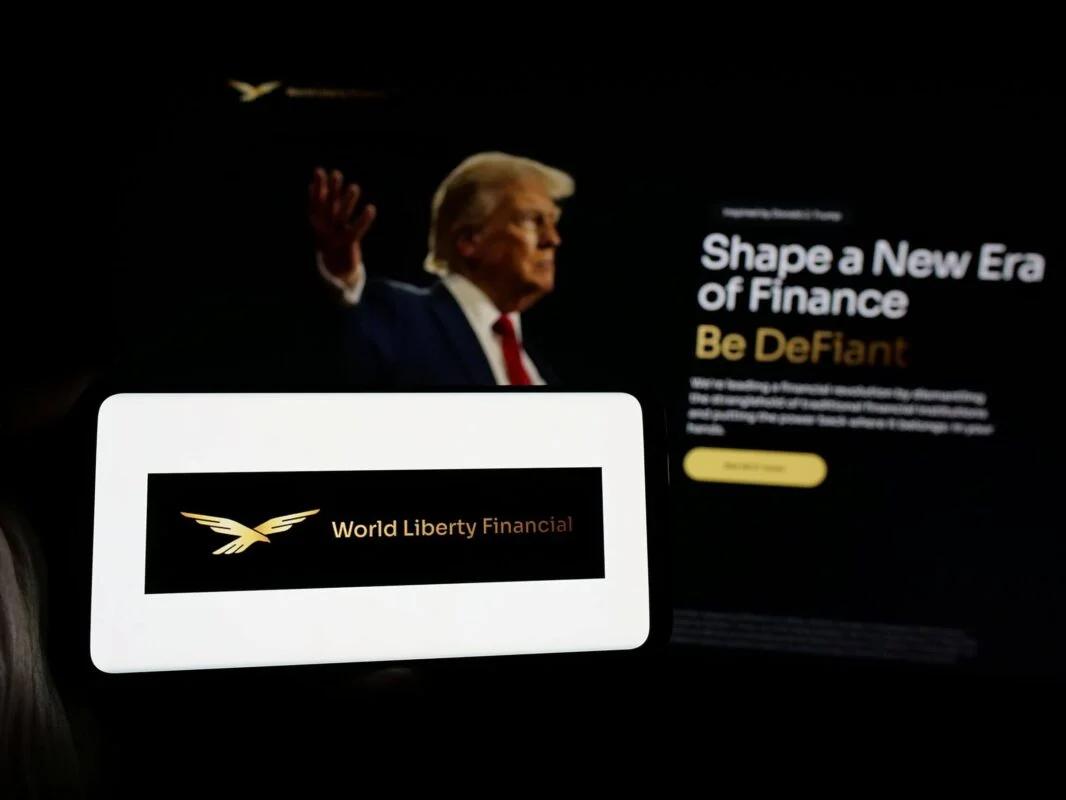
World Liberty Financial, the cryptocurrency venture linked to Donald Trump, is facing intense scrutiny following the unveiling of a governance plan that would impose years-long lockups on early investor tokens — with indefinite freezes threatened for those who decline the new conditions.
The controversial plan, published on WLFI’s governance platform this Wednesday, targets over 62 billion WLFI tokens with stringent new vesting schedules. Project team members, strategic advisers, and partners would see their holdings locked for two years, followed by a gradual three-year release schedule. Early backers would face somewhat relaxed terms but still endure multi-year waiting periods before gaining access to their investments.
Anyone who opts out of these revised conditions would see their tokens frozen with no defined timeline for release.
The framework also includes provisions to permanently eliminate up to 4.5 billion tokens, while insiders accepting the new terms would face an immediate 10% token burn.
The announcement triggered fierce opposition from Justin Sun, founder of Tron and among WLFI’s largest stakeholders. Sun characterized the scheme as “one of the most absurd governance scams I have ever seen” in a statement shared on X.
Sun maintains he controls approximately 4% of World Liberty’s token supply, but alleges his holdings are currently inaccessible. This freeze, he argues, has effectively disenfranchised him from participating in the governance vote.
He further questioned the legitimacy of the platform’s governance structure. According to Sun, unidentified wallet addresses — including a multi-signature wallet with vote override capabilities and another account empowered to blacklist participants — effectively control decision-making.
“This proposal is not governance,” Sun declared. “It is an exercise of power by the selected few.”
Mounting Criticism From the Investment Community
Sun’s objections were echoed by other prominent voices in crypto. Simon Dedic, who leads Moonrock Capital, accused the Trump family of orchestrating a rug pull against initial investors.
In a post on X, Dedic suggested the maneuver represented “another shot at squeezing the same lemon,” with timing that conveniently aligned with the duration of Donald Trump’s current presidential term.
He further condemned what he described as “blatant misconduct” executed with minimal attempt at concealment.
A Conflict With Deep Roots
The confrontation between Sun and WLFI traces back to September, when the platform blacklisted a blockchain wallet associated with Sun containing approximately $107 million worth of governance tokens.
This action marked a dramatic shift from late 2024, when Sun committed $30 million to WLFI and accepted an advisory position with the project.
Relations deteriorated further when WLFI deposited 5 billion of its native tokens into Dolomite, a lending platform co-created by one of its own advisers, borrowing roughly $75 million in stablecoins against that collateral. The token’s value plummeted 12% to a new all-time low within 24 hours.
Sun publicly criticized the project for exploiting users as “personal ATMs.” World Liberty Financial countered with warnings of potential legal proceedings.
A World Liberty Financial representative told CoinDesk the proposal “aims to optimally ensure long-term participation in our ecosystem and help ensure healthy market supply.”
The voting period on this proposal is scheduled to commence shortly and will remain open for seven days. The WLFI token currently trades at approximately 8 cents, representing a decline of more than 40% year-to-date and exceeding a 75% drop from its peak price of 33 cents.
