



Quick Summary
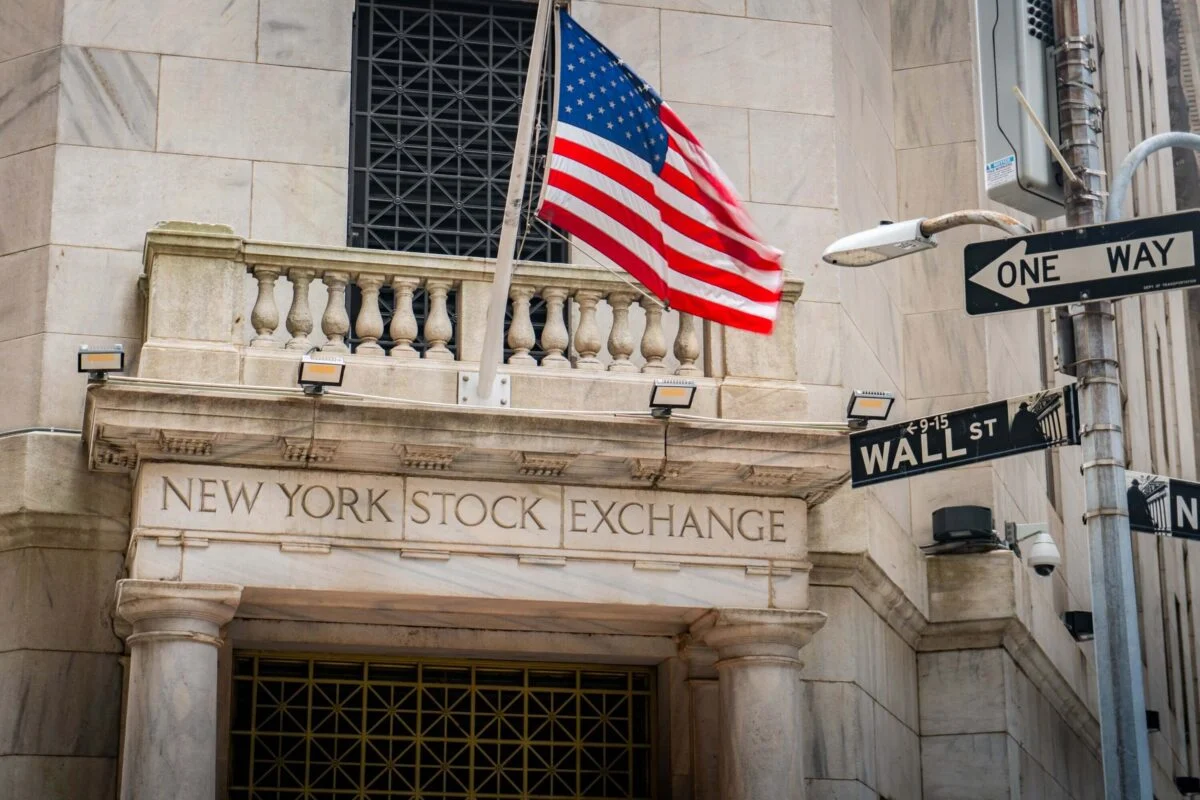
- Both NYSE and Nasdaq will not operate on Friday, April 3, 2026, observing Good Friday
- Regular trading hours return Monday morning at 9:30 a.m. ET
- Fixed income markets, CME Globex, and Cboe Futures Exchange also close for the holiday
- Banking institutions and U.S. postal facilities continue normal operations since Good Friday isn’t federally recognized
- Pre- and post-holiday trading patterns could affect market sentiment entering the new week
Wall Street takes a pause today for the Good Friday observance, offering traders and investors an extended weekend following a volatile beginning to 2026.
Both the New York Stock Exchange and Nasdaq Stock Market halt operations on April 3. Normal trading activities will recommence Monday morning when the opening bell rings at 9:30 a.m. Eastern Time.
The shutdown extends beyond equity markets. Fixed income trading wrapped up early Thursday afternoon at 2 p.m. CME’s Globex electronic trading system, Cboe’s futures platform, and OTC markets also suspend activities for the day.
This pause arrives during a challenging period for market participants. Software stocks have experienced significant declines starting in late January as artificial intelligence disruption concerns intensified. These anxieties spread throughout various sectors, reaching into private credit markets.
Geopolitical tensions escalated when conflict involving Iran erupted in late February. This development drove capital flows toward defensive positions and away from higher-risk investments.
Multiple prominent international trading venues observe the holiday as well. The London Stock Exchange, Euronext Paris, Hong Kong Stock Exchange, and Frankfurt Stock Exchange all remain closed today.
However, trading activity continues in select Asian markets. Both Shanghai and Tokyo stock exchanges maintain their regular schedules today.
Certain European exchanges will extend their closure through Easter Monday. London and Paris markets are among those that will remain shuttered early next week.
Financial Services and Mail Delivery Continue
Unlike the stock market, Good Friday doesn’t qualify as one of the Federal Reserve’s 11 recognized federal holidays. Consequently, banking services proceed normally today at major institutions including Capital One, Wells Fargo, and JPMorgan Chase branch locations.
The United States Postal Service maintains full operations. Mail carriers complete their routes and postal facilities welcome customers during standard business hours.
Private shipping companies also conduct business as usual. UPS and FedEx provide both pickup and delivery services today, with their retail storefronts accessible to customers.
Understanding Pre- and Post-Holiday Market Behavior
Market observers often note patterns surrounding extended weekends, commonly referred to as the “holiday effect.” This phenomenon describes a pattern where markets frequently climb modestly ahead of holidays and exhibit subdued activity afterward.
The pre-holiday uptick may stem from increased consumer expenditures typical of holiday periods, potentially boosting retail sector valuations.
The post-holiday lull often correlates with reduced trader participation. When market activity thins out, price movements can exhibit unusual characteristics compared to typical trading sessions.
Despite the overall slowdown, certain traders view holiday periods strategically. Lower market participation can create opportunities for those willing to execute trades while competitors are absent.
As markets went dark on April 3, investor sentiment remained fragile after months of instability linked to artificial intelligence uncertainties and international political tensions.
