



Key Highlights
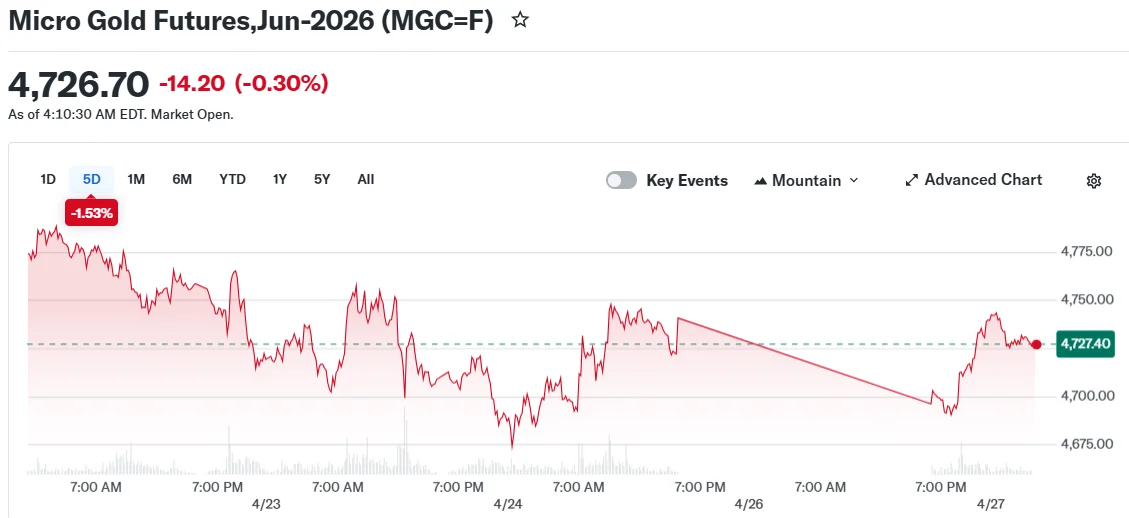
- Gold remained confined to a narrow $4,700–$4,730/oz band following the collapse of weekend US-Iran diplomatic efforts
- Tehran submitted a fresh proposal focused on reopening the Strait of Hormuz while postponing nuclear discussions
- The precious metal has declined approximately 11% since the escalation of US-Iran tensions in late February
- The Federal Reserve is widely anticipated to maintain current interest rates at this week’s policy meeting
- Fed Chair nominee Kevin Warsh informed lawmakers he has made no advance promises regarding rate reductions
The gold market remained locked in a confined trading pattern throughout Monday’s session as diplomatic channels between Washington and Tehran hit another impasse, keeping energy markets volatile and investor sentiment cautious before the Federal Reserve’s upcoming policy announcement.
Spot gold was quoted at $4,714.83 per ounce during Asian trading hours, showing minimal movement as market participants evaluated a fresh Iranian diplomatic initiative against the backdrop of persistent Middle Eastern instability.
Tehran presented a revised proposal to Washington during the weekend, as reported by Axios. The initiative focuses on lifting the blockade of the Strait of Hormuz while deferring conversations regarding Iran’s nuclear activities to a future timeframe.
The proposal temporarily boosted market sentiment. However, the overall geopolitical landscape remained precarious. President Donald Trump abruptly called off a scheduled diplomatic mission to Pakistan involving envoys Jared Kushner and Steve Witkoff, who have been serving as intermediaries in peace negotiations.
Iran’s President Masoud Pezeshkian declared that his nation would refuse to participate in “imposed negotiations under threats or blockade.” Representatives from both Washington and Tehran departed Pakistan without conducting any direct discussions.
The strategic Strait of Hormuz has remained essentially impassable for the past two months, creating bottlenecks for approximately 20% of global petroleum shipments. The standoff continues from both nations, with neither side demonstrating willingness to make comprehensive concessions.
Oil prices climbed during Monday’s early trading before moderating following the emergence of the Axios report. The ongoing energy supply constraints have intensified inflationary pressures worldwide.
Elevated inflation increases the probability that monetary authorities will maintain higher borrowing costs for extended periods. This scenario creates challenges for gold, which generates no income and loses relative appeal when interest rates remain elevated.
Precious Metal in Limbo
Gold has shed roughly 11% in value since hostilities intensified at February’s conclusion. Market observers indicate the yellow metal is struggling to find clear momentum.
Nicky Shiels, who leads research and metals strategy at MKS PAMP, characterized gold as stuck in “technical no-man’s-land.” She noted that investor confidence remains fragile and substantial capital allocations continue waiting on the sidelines.
Dilin Wu, serving as research strategist at Pepperstone Group, commented that Iran’s latest diplomatic overture has marginally reduced market anxiety. However, she cautioned that any price appreciation is unlikely to persist without concrete progress toward lasting peace.
Central Bank Decision Under Scrutiny
Investors are closely monitoring the Federal Reserve ahead of this week’s policy gathering. The central bank is overwhelmingly expected to leave interest rates unchanged at the conclusion of its meeting.
This gathering is projected to be Jerome Powell’s final meeting as chair, with his tenure concluding on May 15. Kevin Warsh, nominated by Trump for the position, informed congressional members last week that he has not pre-committed to implementing rate cuts.
Warsh’s Senate confirmation appears likely to proceed after Republican Senator Thom Tillis withdrew his objections. Additionally, the Justice Department concluded its criminal investigation into Powell, which had faced widespread condemnation.
Azerbaijan’s State Oil Fund liquidated approximately 22 tons of gold during the opening quarter, generating more than $3 billion in proceeds. This marked the fund’s initial gold sales since it commenced accumulating reserves in 2012.
Silver remained unchanged at $75.77 per ounce. Platinum registered modest gains while palladium maintained stable pricing.
