




Key Takeaways
- Precious metal recovered from morning decline following news of diplomatic negotiations between Washington and Tehran
- US, Iranian, and regional negotiators exploring a temporary 45-day truce agreement
- President Trump issued Tuesday 8 p.m. ET ultimatum for reopening critical shipping channel
- Robust employment figures diminished Federal Reserve rate reduction prospects, creating headwinds for bullion
- Precious metal has declined approximately 12% since hostilities escalated in late February
Precious metal markets found stability on Monday following initial declines, as news broke regarding potential diplomatic progress between the United States, Iran, and regional intermediaries working toward a temporary 45-day cessation of hostilities.
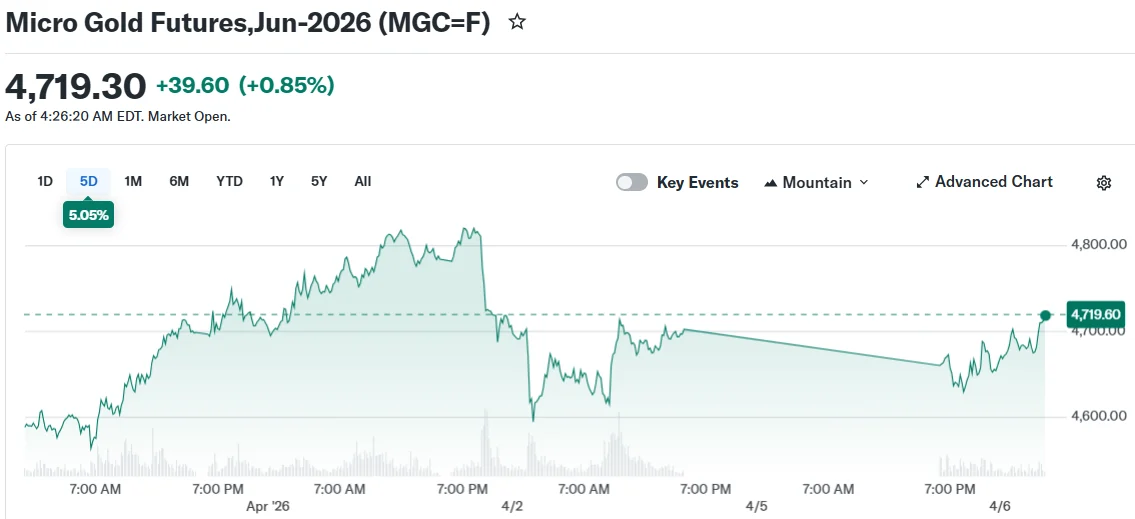
Spot bullion was trading in the vicinity of $4,655 per troy ounce, recovering from an earlier intraday decline of as much as 1.6%. Futures contracts advanced 0.6% to reach $4,709 per ounce.
According to a report from Axios citing individuals with knowledge of the negotiations, the proposed agreement could facilitate the reopening of the Strait of Hormuz, a critical maritime passage responsible for transporting approximately 20% of worldwide petroleum shipments.
This strategic waterway has remained effectively blocked since hostilities commenced in late February. The disruption has driven petroleum prices dramatically upward, with costs more than doubling throughout the current year.
During the weekend, President Trump utilized his Truth Social platform to warn of potential strikes against Iranian civilian infrastructure—including electrical generation facilities and transportation networks—should commercial vessel passage not resume by Tuesday evening.
The administration had previously established a 10-day ultimatum on March 26 for Iran to restore access to the Strait. That deadline was scheduled to expire Monday evening.
While diplomatic developments provided some relief, the precious metal continued facing resistance from alternative market forces.
Employment Report Undermines Monetary Easing Expectations
March nonfarm payroll data exceeded analyst predictions, registering the strongest performance since late 2024. These figures reduced the probability of the Federal Reserve implementing interest rate reductions in the near term.
Gold generally thrives in lower interest rate environments, as the metal generates no income stream. With monetary easing appearing less probable, bullion confronts a more challenging investment landscape.
Economic analysts are projecting a 1% monthly increase in the consumer price index for March, representing the most substantial single-month advance since 2022. Elevated petroleum costs stemming from the Strait disruption constitute a primary catalyst for this anticipated surge.
The precious metal has depreciated roughly 12% since conflict erupted, as inflationary concerns delayed expectations for rate reductions.
Bullion’s Turbulent Performance During Regional Crisis
The yellow metal registered gains exceeding 4% during the previous week before surrendering a portion of those advances on Thursday, ending a four-session rally.
“Market participants are securing profits to preserve capital,” explained Robert Gottlieb, previously a precious metals specialist at JPMorgan Chase.
Charu Chanana, chief investment strategist at Saxo Markets, observed that the 200-day moving average provided technical support, suggesting the month-end rebound could indicate diminishing selling pressure.
She emphasized that the situation remains “not yet fully clear,” with inflationary risks and broader market uncertainties continuing to influence gold’s trajectory.
Silver decreased 1.1% to $72.19 per ounce. Platinum recorded losses, while palladium posted gains. The US Dollar Index remained essentially unchanged during the trading session.
Spot gold was trading at $4,682 per ounce during early Monday trading hours in the United States.
