



Key Takeaways
- Q4 FY26 earnings release scheduled for May 13, ahead of opening bell
- Year-to-date performance shows BABA shares declining approximately 4%
- Analyst consensus calls for revenue reaching ~246.5 billion yuan versus 236.45 billion yuan previously
- Profitability projected to decrease to 11.16 billion yuan from prior year’s 12.38 billion yuan
- Analysts maintain Strong Buy rating with $184.07 average target, suggesting ~31% potential gain
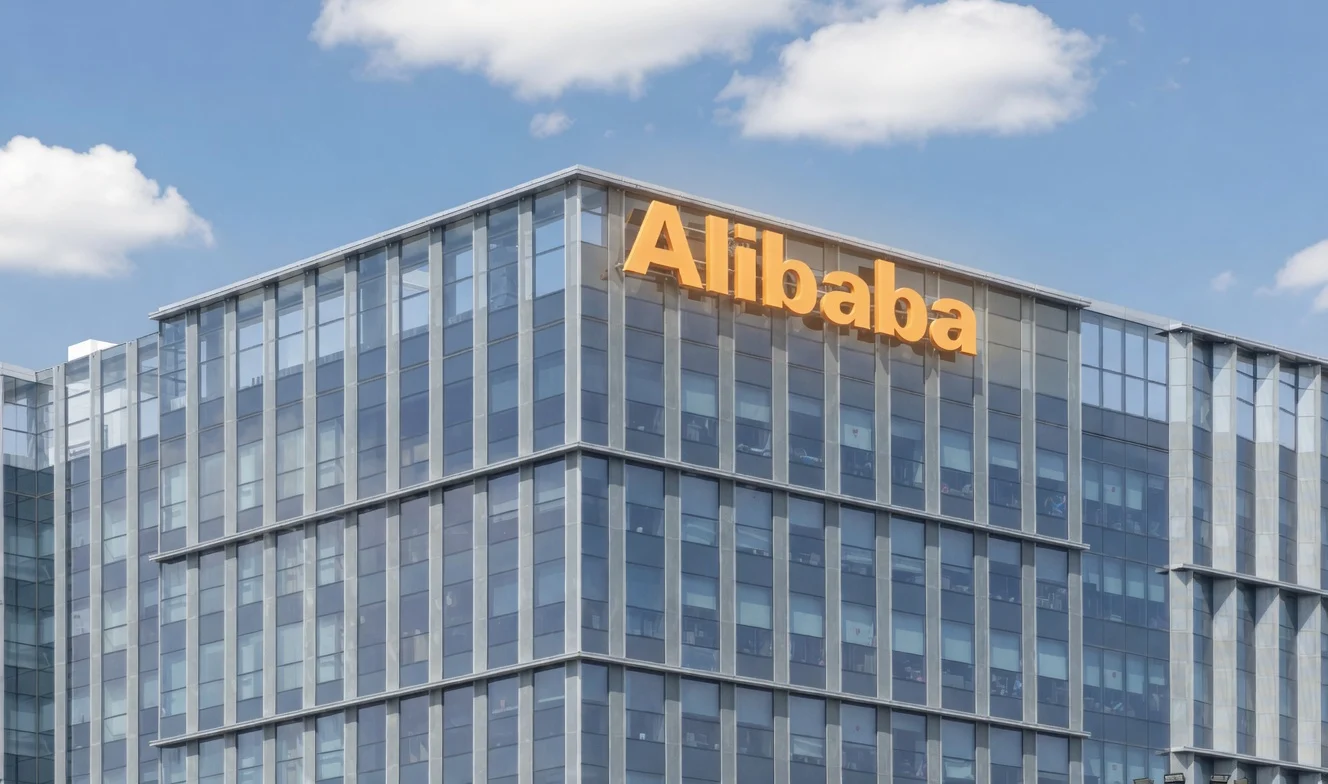
The Chinese e-commerce behemoth is scheduled to unveil its fourth quarter fiscal 2026 financial performance this Wednesday, May 13, during pre-market hours. Year-to-date, BABA shares have declined approximately 4%.
Alibaba Group Holding Limited, BABA
Wall Street consensus, compiled by FactSet, anticipates quarterly revenue reaching 246.475 billion yuan. This represents a year-over-year increase from 236.45 billion yuan — marking approximately 4% growth.
Profitability metrics tell a different story. Net income is projected at 11.16 billion yuan, representing a decline from the 12.38 billion yuan recorded in the comparable period last year.
Earnings per share projections from various Wall Street analysts stand at $0.90 for the period. This would mark a significant contraction from the $1.83 reported in last year’s corresponding quarter.
The previous quarter delivered disappointing results that dampened investor confidence. Alibaba fell short on both revenue and earnings expectations, posting RMB 7.09 per ADS versus analyst estimates of RMB 10.94.
That quarter saw revenue advance only 2% year-over-year to RMB 284.84 billion, missing the RMB 289.3 billion target. Adjusted EBITA plummeted 57% compared to the prior year as margin compression intensified.
Artificial Intelligence Expenditures Under Scrutiny
Market participants are closely monitoring AI investment levels. Daiwa’s research team highlighted that the company probably accelerated artificial intelligence spending during Q1 of the calendar year, with expenses related to model development and aggressive promotional efforts for its Qwen application.
Such expenditures may have pressured quarterly earnings. Nevertheless, these same analysts maintain an optimistic view regarding the firm’s AI capabilities and prospects for medium-term revenue generation.
The quick-commerce division has also drawn attention. CGS International’s research suggests this business unit delivered approximately 40% revenue expansion during the period, fueled by increased transaction volumes.
BABA Ownership Structure
Retail and individual shareholders control the majority stake — 88.44% based on TipRanks data. Company insiders account for 7.27%, with mutual funds and institutional investors comprising the remainder.
Among significant insiders, Joseph C. Tsai maintains approximately 4.82% ownership. Co-founder Fang Jiang controls roughly 2.20%.
Regarding institutional holders, Vanguard Chester Funds possesses 0.47% of BABA, while Dodge & Cox Funds maintains 0.37%.
The substantial retail ownership concentration causes BABA to exhibit heightened sensitivity to news developments and market sentiment shifts — a dynamic particularly relevant given the company’s recent inconsistent earnings performance.
Notwithstanding current challenges, analyst sentiment remains decidedly positive. The stock holds a Strong Buy consensus based on 14 Buy recommendations and 2 Hold ratings issued during the last three months.
The consensus price objective stands at $184.07, implying approximately 31% appreciation potential from present trading levels.
Shares listed on the Hong Kong exchange climbed 13% during the first quarter of 2026, benefiting from renewed enthusiasm for Hong Kong-based technology companies.
Losses from the quick-commerce operation are anticipated to have narrowed this quarter. CGS International analysts project this segment could achieve profitability by fiscal 2029.
