




Contents
Key Takeaways
- Bitcoin hovers between $67,000 and $68,000, attracting significant capital from institutional ETFs and sovereign wealth portfolios
- Ethereum dominates decentralized finance and tokenized asset markets, enhanced by Layer-2 scaling technologies that reduce transaction costs
- Solana attracts developers with its combination of rapid transaction processing and minimal network fees
- Chainlink bridges blockchain networks to external data sources, forming partnerships with legacy financial institutions
- Bittensor operates a decentralized marketplace for AI resources, rewarding network participants with native tokens
As we progress through early 2026, the cryptocurrency market maintains a valuation approaching $2.5 trillion. Sophisticated investors are shifting their attention from volatile price action to blockchain projects demonstrating tangible real-world applications.
The following analysis examines five digital assets that industry experts believe possess strong underlying fundamentals positioned to thrive in upcoming market conditions.
Bitcoin: Institutional Adoption Meets Digital Scarcity
Bitcoin operates with an immutable maximum supply ceiling of 21 million units. This programmatic scarcity establishes a unique value proposition unmatched by traditional or digital assets.
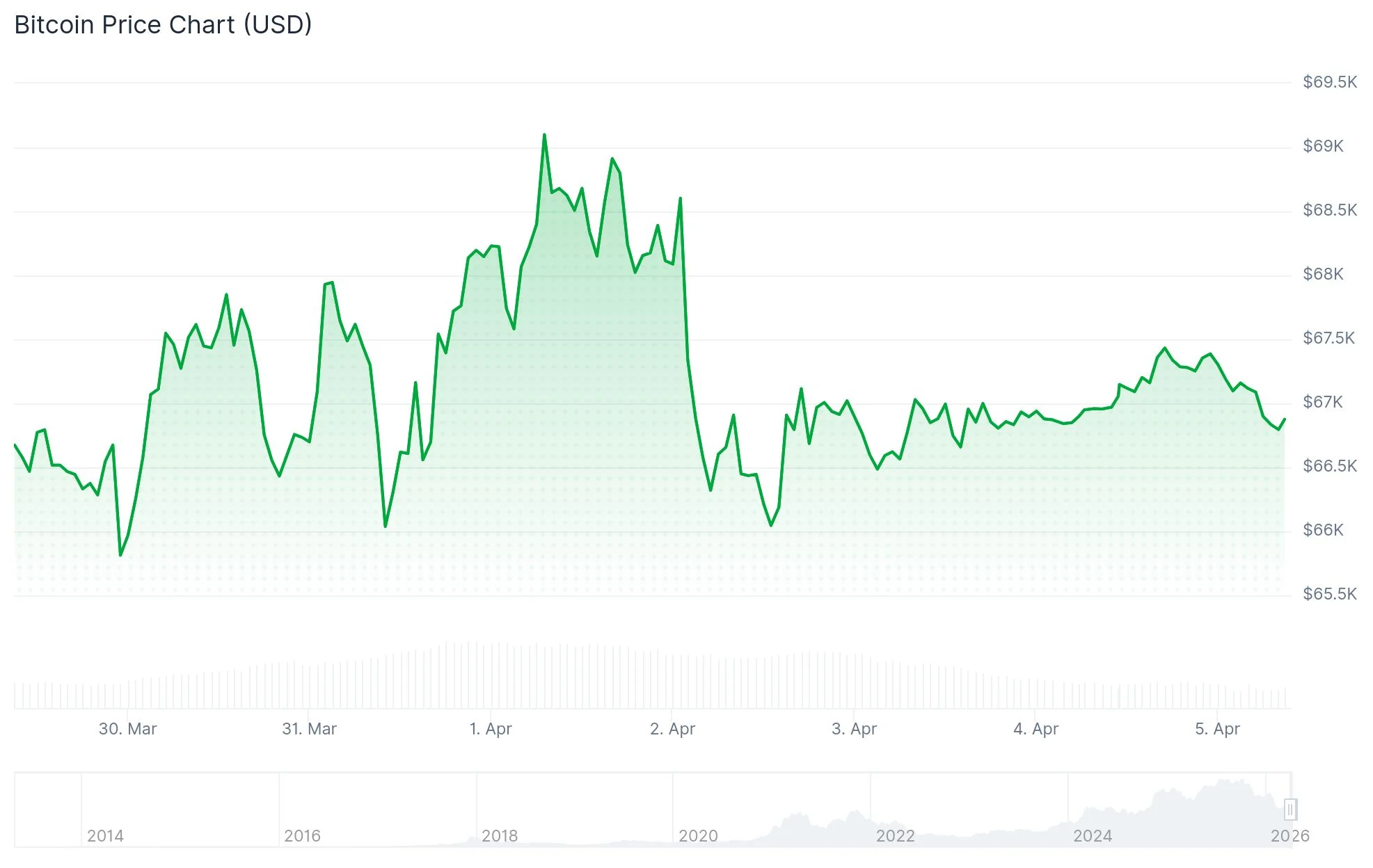
The leading cryptocurrency trades within a $67,000–$68,000 range at present. Exchange-traded fund products have registered substantial capital inflows throughout the previous twelve months.
National investment vehicles have incorporated Bitcoin into strategic allocations. Treasury management approaches modeled after MicroStrategy’s playbook have gained widespread adoption among public corporations.
Major financial institutions now categorize Bitcoin as a macro-level asset class comparable to precious metals. The digital currency continues drawing sustained investment from parties seeking protection against macroeconomic volatility.
Ethereum: Dominant Infrastructure for Programmable Value
Ethereum serves as the foundational platform for the vast majority of decentralized finance protocols. The network also supports stablecoins, digital collectibles, and an expanding ecosystem of tokenized traditional assets.
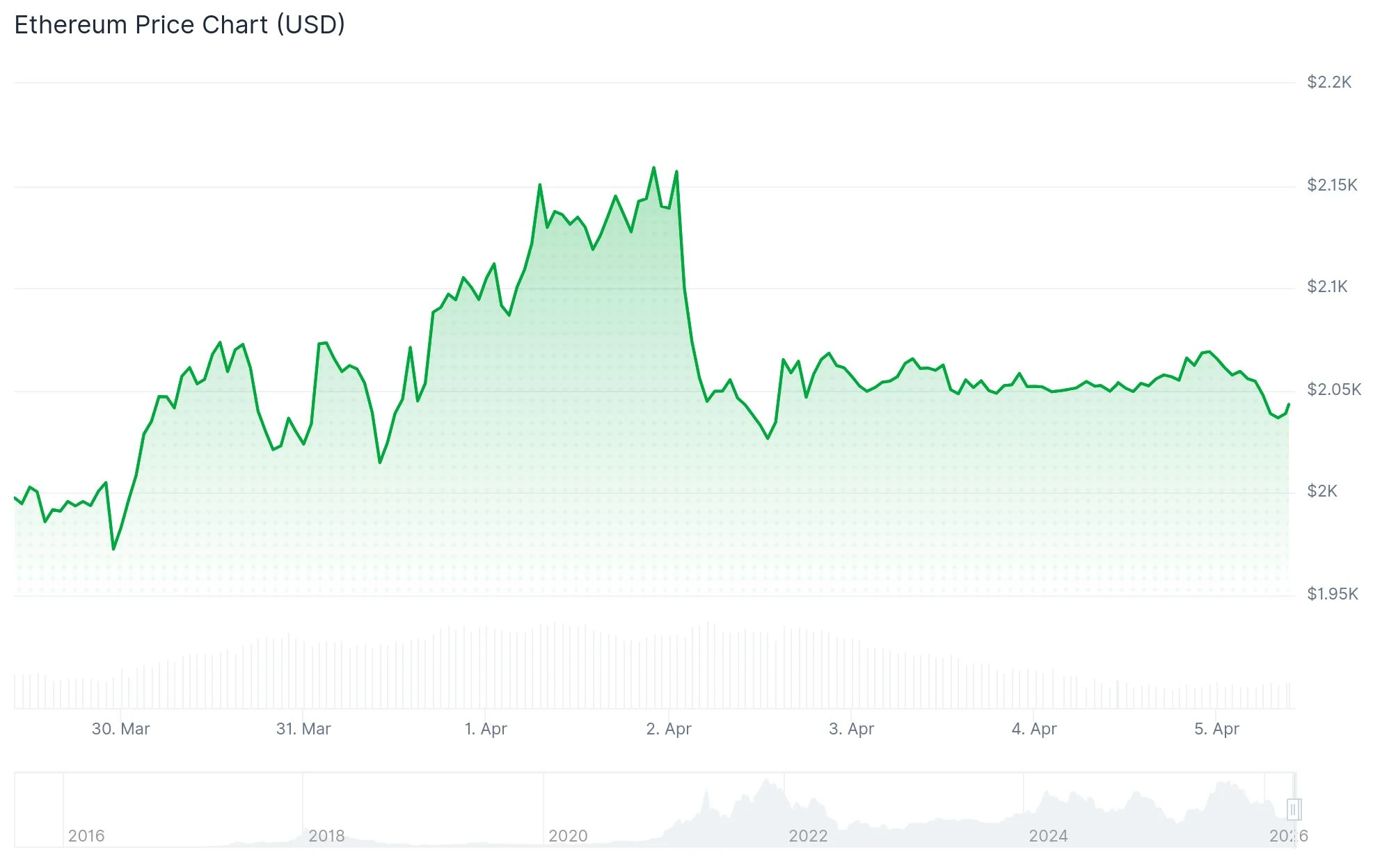
Second-layer scaling implementations have dramatically reduced network costs while increasing transaction capacity. The combination of staking rewards and the token burn mechanism introduced through EIP-1559 creates deflationary economic pressure.
Ethereum-focused exchange-traded products maintain steady institutional capital flows. Development activity across the Ethereum ecosystem surpasses all competing smart contract platforms.
Solana: Performance-Driven Blockchain Architecture
Solana processes several thousand transactions each second while maintaining minimal fee structures. The platform captured market share from users and development teams priced out of Ethereum during peak congestion periods.
Consumer-facing applications, viral token launches, and mobile-first cryptocurrency solutions have accelerated network adoption. Technical stability has strengthened following targeted protocol improvements.
Solana’s current market valuation remains significantly below Ethereum’s total capitalization. Market observers identify this differential as potential upside opportunity should institutional product offerings broaden.
Chainlink: Critical Infrastructure for Hybrid Smart Contracts
Chainlink operates the most widely deployed oracle infrastructure in blockchain technology. The protocol enables smart contracts to access external information including market prices, weather conditions, and enterprise system data.
Its Cross-Chain Interoperability Protocol functions across numerous blockchain ecosystems. Chainlink has established formal partnerships with established financial services companies investigating distributed ledger implementation.
As the tokenization of conventional assets accelerates, requirements for trustworthy data connectivity are projected to expand proportionally.
Bittensor: Emerging Decentralized Intelligence Network
Bittensor facilitates a distributed marketplace connecting AI computational resources with machine learning model providers. Network participants receive token compensation for contributing processing power and algorithmic capabilities.
This project carries elevated risk compared to the four more established assets discussed above. Both developer engagement and market attention have intensified over recent months.
Bittensor occupies a position within decentralized artificial intelligence infrastructure—a sector receiving increased scrutiny as regulatory bodies examine concentrated AI development models.
Bitcoin and Ethereum represent the predominant allocations within institutional cryptocurrency portfolios through exchange-traded fund vehicles available during 2026.
