



Key Takeaways
- Lufthansa shares climbed more than 8% following stronger-than-anticipated Q1 earnings
- Operating loss on an adjusted basis reached €612M, outperforming the €659M consensus estimate
- Quarterly revenue increased 8% to €8.7B, though falling short of the €9.3B analyst projection
- Middle East conflict has driven €1.7B in additional fuel expenses through 2026 to date
- 2026 annual guidance remains intact, with profit expected significantly above 2025’s €1.96B result
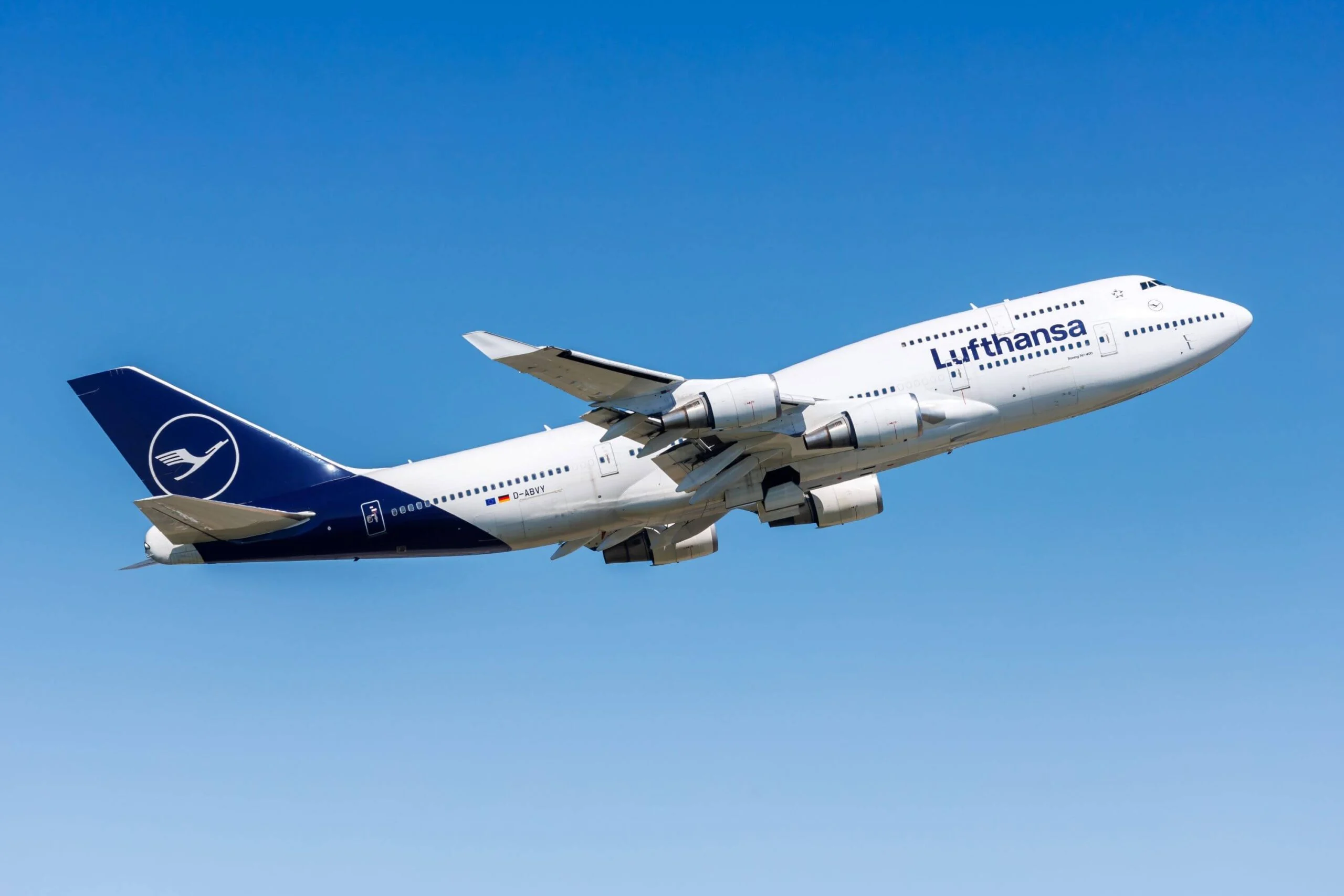
German aviation giant Lufthansa delivered first-quarter results that exceeded Wall Street expectations on Wednesday, triggering an enthusiastic market response with shares climbing over 8% during morning trading in Frankfurt.
The airline disclosed an adjusted operating deficit of €612 million for the opening quarter, surpassing analyst projections that had anticipated a €659 million shortfall. The figure also represents progress compared to the €722 million loss posted during the corresponding quarter of the previous year.
Quarterly revenue reached €8.7 billion, marking an 8% increase from the prior year period. Despite this growth, the top-line performance trailed analyst consensus estimates of €9.3 billion.
[[EMBED_0]]The ongoing Middle East crisis is creating a dual impact on Lufthansa’s operational landscape. While the conflict has significantly elevated jet fuel expenses, it has simultaneously redirected passenger traffic through the carrier’s European gateway cities, strengthening demand across both passenger and freight segments.
The Iran conflict has imposed an additional €1.7 billion burden in fuel costs during the current year alone. To counteract this substantial financial pressure, Lufthansa plans to implement fare increases, reduce flight frequencies, and execute further cost-reduction initiatives throughout the remainder of the year.
The airline has already eliminated 20,000 flights from its summer operational schedule as part of capacity adjustments related to fuel supply constraints.
Full-Year Guidance Maintained With Caveats
Notwithstanding the fuel-related challenges, Lufthansa stood by its 2026 annual earnings projection. Management anticipates adjusted operating profit will substantially exceed the €1.96 billion recorded in 2025.
CFO Till Streichert emphasized an important qualifier, noting the forecast assumes “no fuel supply bottlenecks or further strikes” materialize.
This conditional element carries weight. Labor actions by cabin crew and pilot unions throughout April extracted a €150 million toll from the company’s bottom line. The carrier issued two separate profit warnings during 2024 stemming from industrial action, underscoring the ongoing vulnerability to labor disruptions.
Streichert further stated that fuel availability at the airline’s primary operational hubs should remain stable through the end of June. For extended-range services to Asian and African destinations, Lufthansa is developing backup strategies that may incorporate intermediate refueling stops.
Market Analyst Perspectives
Barclays analyst Andrew Lobbenberg observed that while Lufthansa’s Q1 performance exceeded expectations, the margin of the beat was less pronounced than the results Air France-KLM reported the previous week. Nevertheless, he highlighted that sustaining guidance despite the €1.7 billion fuel cost escalation and April strike impact demonstrated “marked confidence in future unit revenues.”
CEO Carsten Spohr echoed this optimistic assessment, declaring the carrier is “resilient in our ability to absorb these impacts.”
The airline continues advancing a comprehensive restructuring initiative aimed at achieving profit margins between 8% and 10% during the 2028-2030 timeframe.
By mid-morning Wednesday, Lufthansa shares were trading 6% to 8% higher on the Frankfurt exchange.
