



Key Takeaways
- Amazon unveiled Amazon Supply Chain Services, making its logistics infrastructure available to third-party businesses
- FedEx shares plunged approximately 5–6% while UPS stock declined more than 4% during Monday’s early session
- Major corporations including Procter & Gamble, 3M, Lands’ End, and American Eagle Outfitters are among initial clients
- The platform provides comprehensive freight services, warehousing, parcel delivery, and AI-driven demand analytics
- Additional logistics companies including GXO Logistics, XPO, and Hub Group experienced similar stock declines
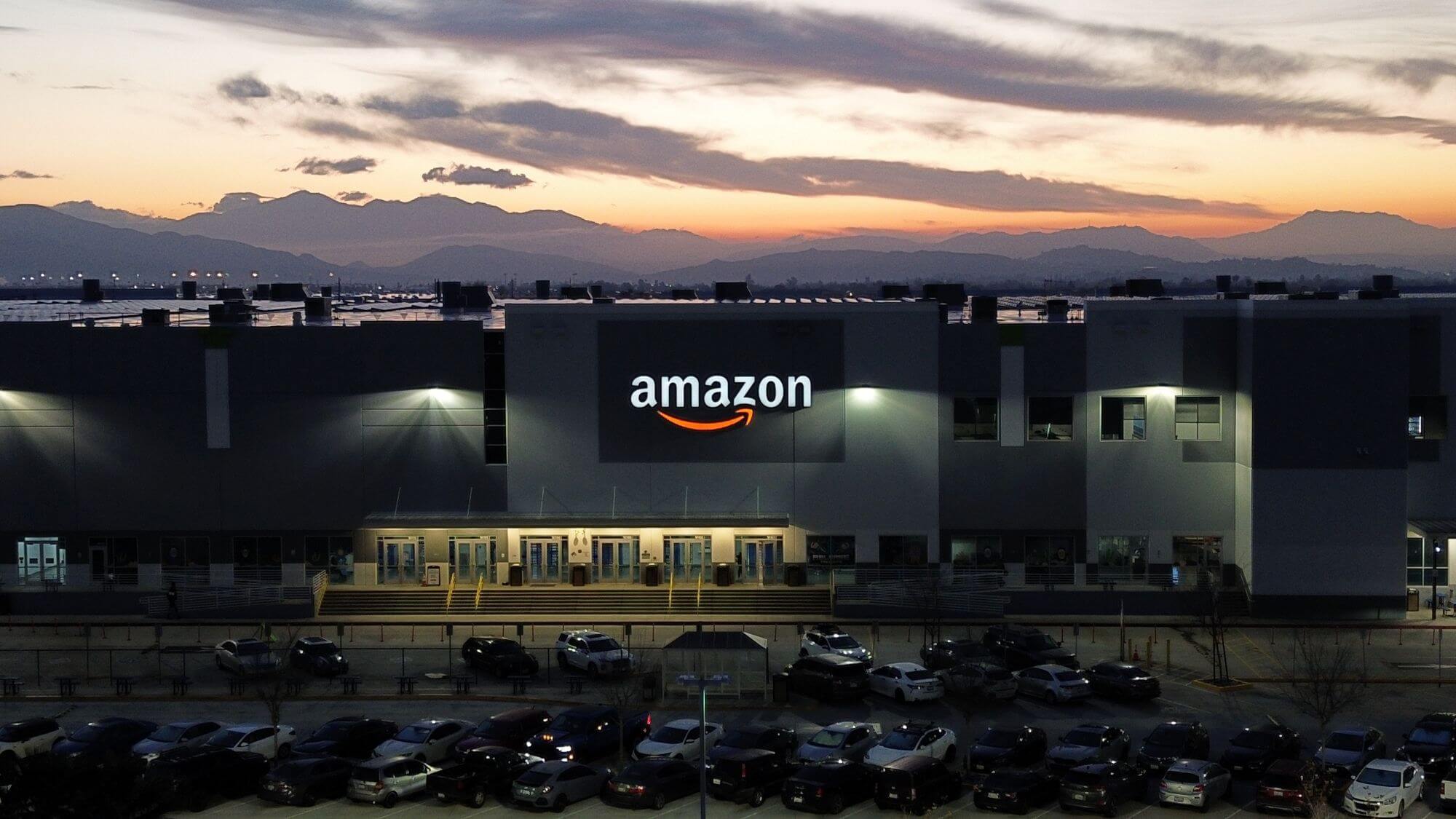
Amazon unveiled a significant expansion on Monday, announcing that its extensive logistics infrastructure is now available to external businesses. The newly branded Amazon Supply Chain Services platform enables companies from diverse sectors to leverage Amazon’s comprehensive freight, warehousing, and delivery capabilities.
The market reaction was swift and severe for traditional shipping giants. FedEx stock tumbled between 4.4% and 5.7%, while United Parcel Service experienced declines ranging from 4.1% to 4.2% during premarket and morning trading sessions. Meanwhile, Amazon’s stock climbed approximately 1.2% to 1.75% following the announcement.
United Parcel Service, Inc., UPS
The ripple effects extended throughout the logistics sector. GXO Logistics saw shares tumble 5.2%, XPO declined 2.5%, Hub Group slipped 1.7%, and RXO decreased 1.7%.
Amazon’s operational footprint is massive. The company operates 80,000 trailers, 24,000 intermodal containers, and maintains a fleet of 100 aircraft. Until now, this extensive infrastructure primarily served Amazon’s e-commerce ecosystem and marketplace sellers.
The comprehensive platform combines multiple logistics solutions under one umbrella. Companies can tap into ocean freight, air cargo, trucking, and rail transport options. Additionally, businesses gain access to Amazon’s warehouse network for storage and fulfillment operations, complemented by parcel shipping services promising two-to-five-day delivery windows.
Advanced artificial intelligence features are integrated throughout the platform. These sophisticated tools manage demand predictions and strategic inventory positioning to optimize delivery efficiency and consistency.
A unified digital dashboard provides businesses with centralized control. Users can select and customize the specific services required for their operations.
Major corporate names have already adopted the platform. Procter & Gamble is utilizing Amazon’s transportation network for moving both raw materials and finished products. 3M is leveraging the service to transport merchandise from production facilities to their distribution network.
Early Customers Span Multiple Industries
Lands’ End and American Eagle Outfitters have joined as launch partners. Amazon announced the service welcomes businesses regardless of size, serving sectors including healthcare, automotive, manufacturing, and retail.
This strategic expansion positions Amazon as a formidable competitor to legacy logistics providers. FedEx and UPS have historically controlled the parcel and freight shipping landscape throughout the United States.
Amazon has systematically constructed its proprietary delivery infrastructure over recent years. The network has reached such scale that the company now manages a substantial portion of its own shipments independently, reducing dependence on third-party carriers.
Impact on Freight Stocks
Monday’s trading activity demonstrates investor concern regarding Amazon’s competitive threat. Several logistics companies posted significant losses within hours of the announcement.
Amazon verified the service is operational with confirmed enterprise clients already utilizing the platform. The company has not publicly released pricing information for the services.
GXO Logistics experienced the most substantial decline among affected logistics stocks, dropping 5.2% during Monday’s session.
