



Key Takeaways
- Major carriers including American Airlines, United Airlines, Delta, JetBlue, and Southwest jumped 4-5% in early Friday trading
- Iran’s top diplomat confirmed the Strait of Hormuz remains accessible for commercial traffic throughout the Lebanon ceasefire period
- WTI crude futures plummeted approximately 10%, settling near $85 per barrel
- Declining oil prices translate to reduced jet fuel expenses, improving carrier profitability forecasts
- UBS upgraded American Airlines’ price target while merger rumors between American and United fueled additional gains
Iran’s top diplomat, Foreign Minister Abbas Araghchi, announced via X on Friday morning that the strategically vital Strait of Hormuz would remain accessible to commercial shipping throughout the ongoing Lebanon ceasefire.
The declaration triggered an instant response across oil markets. WTI crude contracts plunged approximately 10%, settling just north of the $85-per-barrel mark.
The correlation between oil prices and airline profitability is direct and powerful. Since jet fuel represents one of the largest operating expenses for carriers, the sudden price decline sparked enthusiastic buying in airline equities during premarket hours.
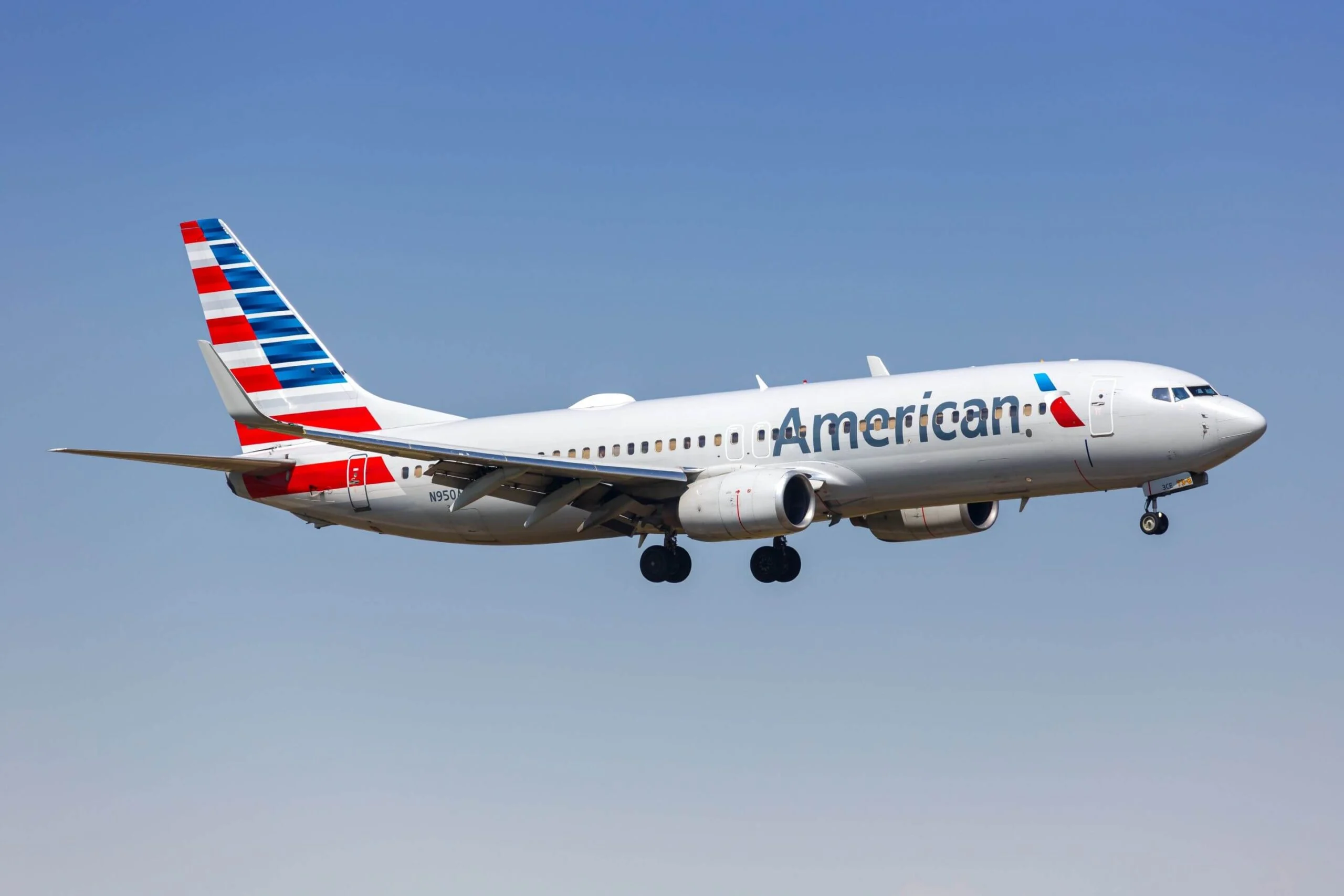
American Airlines climbed 5.7% before the opening bell. United Airlines advanced 5.8%, while JetBlue rose 5.6%, Delta Air Lines gained 5.7%, and Southwest Airlines increased 4.1%.
American Airlines Group Inc., AAL
In his statement, Araghchi confirmed that transit for commercial vessels through the Strait of Hormuz is “declared completely open for the remaining period of the ceasefire, on the coordinated route as already announced by the Ports and Maritime Organisation of the Islamic Republic of Iran.”
The Strait of Hormuz represents a critical artery for global energy transport. Threats to its accessibility typically drive oil valuations higher, making confirmation of its continued operation a significant relief for supply chain concerns.
Declining Fuel Costs Enhance Carrier Profitability
Reduced crude valuations directly impact airline bottom lines. As jet fuel expenses decrease, carriers can expand profit margins without implementing fare increases or capacity reductions.
Market participants reacted swiftly to this improved financial picture. Each of the five major domestic carriers posted premarket advances exceeding 4%, with United recording the strongest performance at 5.8%.
American Airlines attracted particular attention Friday beyond the energy market developments. Media reports indicated that United Airlines’ chief executive had broached the possibility of a strategic combination between the two carriers during conversations with high-ranking government officials.
Neither airline has verified these discussions, and no formal transaction has been disclosed. Nevertheless, the speculation contributed additional momentum to American Airlines trading activity.
Wall Street Analysts Boost American Airlines Outlook
UBS elevated its price objective for American Airlines on Friday. The investment bank referenced strengthening conviction in the carrier’s earnings trajectory, bolstered by the favorable fuel cost dynamics.
American Airlines has faced headwinds throughout the current year. The stock has declined more than 20% year-to-date entering Friday’s session, with its market capitalization hovering around $8 billion.
Daily trading volume for the equity regularly exceeds 65 million shares, demonstrating significant interest from both retail and institutional market participants.
Encouraging indicators from competing carriers reinforced the sector-wide rally. Market observers highlighted evidence of sustained travel demand throughout the industry.
Friday afternoon’s most notable catalyst remained UBS’s enhanced price target for American Airlines, coupled with sustained premarket strength across airline equities following Iran’s announcement regarding the Strait of Hormuz.
