



Key Highlights
- Shares of Exxon and Chevron plummeted more than 3.5% following a sharp decline in crude oil prices amid optimism over U.S.-Iran diplomatic progress
- Brent crude experienced a dramatic decline exceeding 10%, settling near $97.97 per barrel and breaking below the $100 threshold
- West Texas Intermediate crude tumbled more than 11%, trading around $90.35 per barrel
- President Trump suspended the “Project Freedom” Strait of Hormuz military initiative, pointing to significant advancement in diplomatic discussions
- Major European energy companies experienced significant losses, with BP sinking over 5% and Shell declining 4.5%
Major oil and gas companies experienced significant stock declines Wednesday following President Donald Trump’s declaration that U.S. military activities in the Strait of Hormuz would be temporarily halted as diplomatic channels with Iran show promising developments.
In a late Tuesday evening Truth Social statement, Trump revealed his decision to suspend “Project Freedom,” the military initiative designed to ensure passage through the strategic waterway. The president indicated the temporary cessation would remain in effect for a “short period” while negotiations with Iranian officials advance.
The diplomatic development triggered a substantial selloff in oil markets. Brent crude experienced a dramatic plunge exceeding 10%, falling to approximately $97.97 per barrel and slipping beneath the psychologically significant $100 level. West Texas Intermediate crude suffered an even steeper decline of over 11%, dropping to $90.35 per barrel.
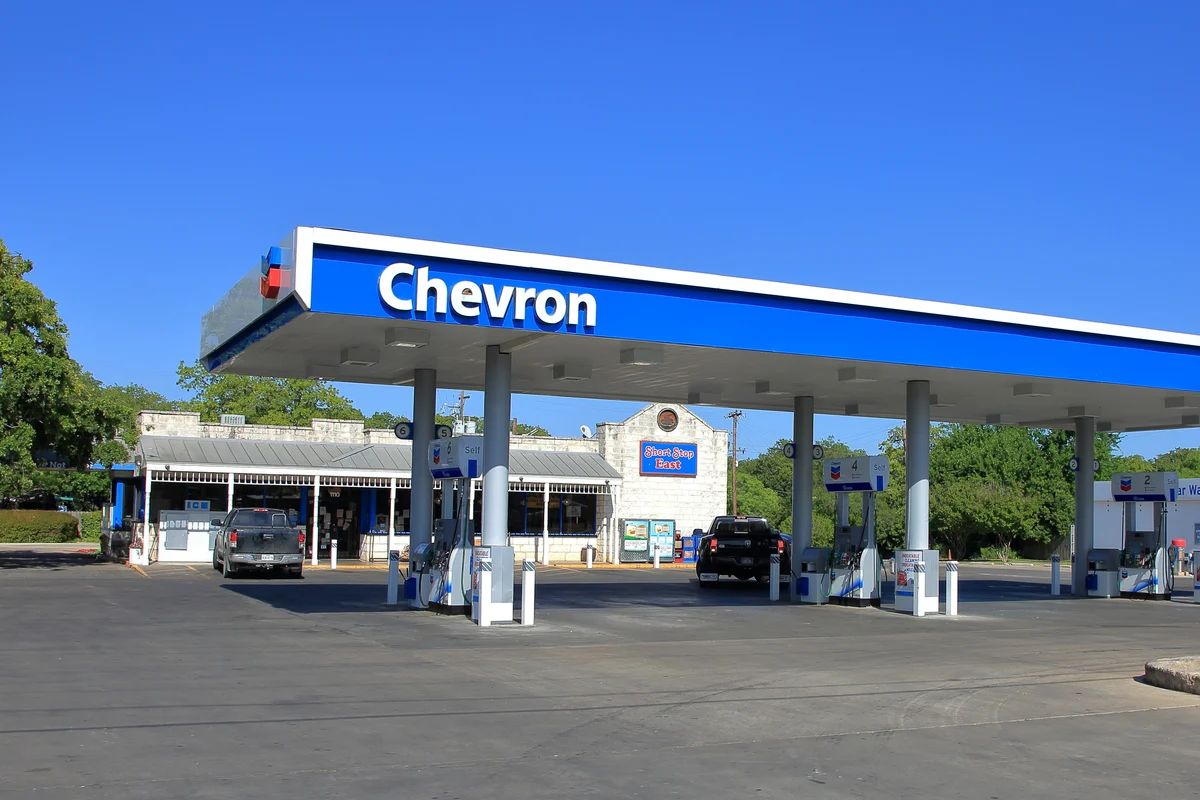
Exxon Mobil stock declined approximately 3.6% during morning trading sessions. Chevron shares dropped roughly 3.3%. The two oil majors ranked among the most severely impacted securities in the domestic energy sector.
Additional U.S. petroleum companies experienced similarly dramatic declines. Occidental Petroleum topped premarket percentage losses, falling 7.6%. Marathon Petroleum shed 6.3%, while ConocoPhillips decreased 5.4%, Devon Energy declined 5.7%, and Diamondback Energy fell 4.5%.
Occidental simultaneously released quarterly results Wednesday. The exploration and production company delivered substantially higher adjusted earnings, though revenue figures fell short of Wall Street analyst projections for the quarter.
APA shares retreated 4.6% during the session. The benchmark S&P 500 index, conversely, advanced 0.8% as diminishing geopolitical tensions provided support to other market sectors.
European Energy Giants Mirror U.S. Declines
The energy sector downturn extended well beyond American borders. Major European oil companies posted similarly steep percentage losses.
In London trading, BP shares dropped more than 5% to 542.2p. Shell stock declined 4.5% to 3,165.5p. France’s TotalEnergies fell 5.4% to €75.07 on the Paris exchange.
According to Axios reporting, the Trump administration holds confidence that negotiators are approaching agreement on a single-page memorandum of understanding with Iranian representatives that could resolve broader Middle Eastern hostilities. The reporting cited two U.S. government officials alongside two additional sources with knowledge of the negotiations.
Understanding the Crude Price Collapse
The fundamental driver behind the petroleum price collapse centered on expectations of diminishing tensions throughout the Persian Gulf region. A successful peace agreement with Iran would significantly reduce threats to oil supply chains passing through the Strait of Hormuz, one of the world’s most critical energy transit points.
In his social media announcement, Trump emphasized that the existing blockade would “remain in full force and effect” throughout the negotiation pause period.
During April, Iranian authorities briefly permitted passage through the Strait of Hormuz before reimposing restrictions after Washington declined to remove its blockade of Iranian port facilities.
As of Wednesday morning, diplomatic discussions between American and Iranian negotiating teams continued, with no final agreement yet publicly confirmed.
