



Contents
Key Takeaways
- Samsung delivered unprecedented Q1 2026 performance with KRW 133.9 trillion in sales and KRW 57.2 trillion operating income
- SK Hynix achieved record-breaking quarterly earnings with KRW 37.6 trillion in operating income for Q1 2026
- SK Hynix dominates high-bandwidth memory (HBM) production and benefits most directly from AI processor requirements
- Samsung offers broader business exposure spanning memory chips, semiconductor manufacturing, smartphones, and home electronics
- Wall Street maintains Strong Buy recommendations for both companies, with SK Hynix marginally ahead in analyst sentiment
South Korea’s dominant memory chip manufacturers, Samsung Electronics and SK Hynix, are capitalizing on artificial intelligence expansion through distinctly different business approaches.
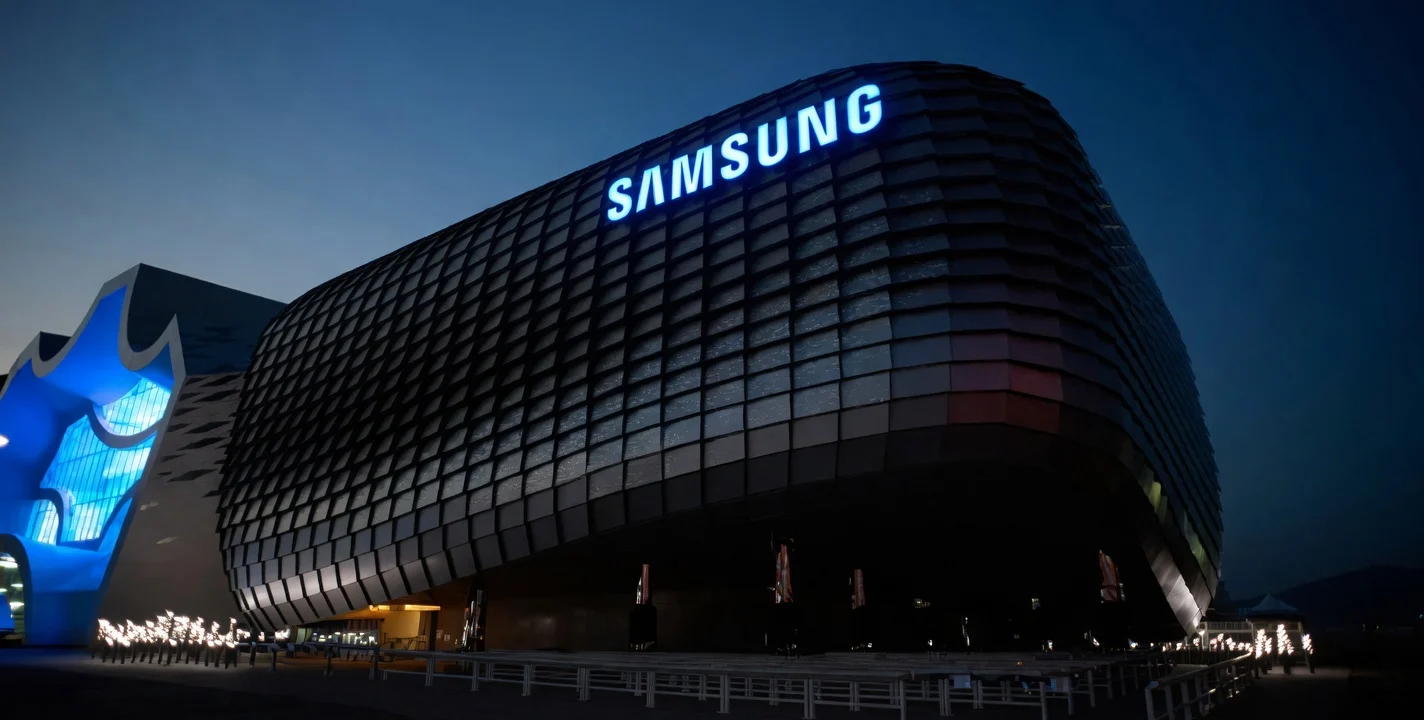
Samsung unveiled unprecedented Q1 2026 financial performance. The electronics giant generated KRW 133.9 trillion in total revenue while operating income reached KRW 57.2 trillion. The semiconductor segment accounted for the majority of profitability.
Samsung Electronics Co., Ltd., SMSN.L
The conglomerate has committed over KRW 110 trillion toward 2026 capital expenditures focused on development and production infrastructure. This substantial investment underscores Samsung’s determination to maintain competitive advantage in AI semiconductor markets.
Samsung extends far beyond memory production. The company maintains significant operations in contract chip manufacturing, mobile technology, home appliances, and display panels. This business breadth provides insulation against downturns in specific semiconductor segments.
Yet this diversification creates complexity. Recent Reuters coverage highlighted workforce tensions and possible strike actions affecting chip production facilities. Samsung also continues pursuing SK Hynix in the race for high-bandwidth memory market leadership.
SK Hynix: Concentrated Exposure to AI Memory Demand
SK Hynix similarly announced record-setting Q1 2026 results. Total revenue reached KRW 52.5 trillion while operating income hit KRW 37.6 trillion and net income totaled KRW 40.3 trillion.
Management indicated that AI chip demand is projected to outpace the company’s production capabilities. This dynamic indicates persistent tightness in high-bandwidth memory markets, supporting favorable pricing conditions and profit margins.
SK Hynix has become synonymous with the ongoing HBM expansion cycle. Share prices surged following positive guidance from leading American technology companies regarding artificial intelligence infrastructure investments.
The chipmaker is evaluating a potential United States stock exchange listing. Such a move would enhance capital raising opportunities and broaden institutional investor accessibility.
The limitation is business focus. SK Hynix lacks Samsung’s operational diversification. Financial results correlate more directly with memory chip pricing dynamics and sustained AI-related demand trends.
Analyst Perspective
Wall Street maintains optimistic outlooks on both Korean chipmakers. According to Investing.com analytics, Samsung carries a Strong Buy consensus from 37 analysts, with 36 maintaining buy recommendations. The consensus 12-month price objective stands at KRW 274,603.
SK Hynix similarly receives a Strong Buy rating from 38 analysts, comprising 36 buy ratings and 2 hold positions. The average target price approximates KRW 1,771,866.
While differences are modest, SK Hynix maintains a slight advantage in analyst conviction.
Both corporations are deploying significant capital to preserve competitiveness as artificial intelligence infrastructure spending accelerates throughout North America and Asian markets.
Bottom Line
Samsung represents the optimal choice for investors seeking diversified semiconductor exposure with operational scale. SK Hynix appeals to those wanting concentrated participation in AI memory growth and the HBM supply shortage. SK Hynix delivered superior Q1 2026 net profitability relative to company size, while production constraints suggest sustained pricing strength in coming quarters.
