



Contents
Quick Overview
- Ethereum maintains supremacy in DeFi total value locked, stablecoin infrastructure, and institutional adoption, though the Dencun upgrade’s fee reductions could impact its deflationary token mechanics
- Solana surpasses Ethereum in decentralized exchange transaction volumes and attracts a stronger retail user base
- ETH benefits from superior tokenomics: deflationary fee burn mechanism via EIP-1559, reduced token issuance following the Merge transition, and more equitable initial distribution
- SOL continues experiencing inflationary pressure, burns only a fraction of network fees, and launched with concentrated insider allocations
- Ethereum appeals to risk-averse investors seeking stability; Solana targets those accepting higher volatility for potentially greater gains
The cryptocurrency landscape features few rivalries as closely scrutinized as that between Ethereum and Solana. These blockchain platforms attract distinct investor profiles and fulfill separate market needs.
Ethereum has cemented its position as crypto’s primary settlement infrastructure. The network commands the leading position in decentralized finance value locked, stablecoin circulation, and enterprise blockchain implementation. Current metrics from DefiLlama confirm Ethereum’s substantial advantage across these categories.

The layer-2 ecosystem surrounding Ethereum, monitored by L2Beat, currently processes greater transaction volume than the main blockchain. This demonstrates successful scaling implementation, despite the reality that expansion occurs primarily through secondary layers instead of the primary network.
Ethereum’s Dencun implementation brought blob transactions, significantly reducing costs for rollup solutions and end users. However, decreased transaction fees translate to diminished ETH burning via EIP-1559, potentially weakening the deflationary dynamics that benefit token holders.
Solana pursues an alternative architecture. The platform executes all operations on a singular high-speed, economical base layer. This streamlined design has resonated with traders and mainstream cryptocurrency users.
Current DefiLlama metrics indicate Solana producing greater decentralized exchange volume compared to Ethereum during recent periods. These figures demonstrate robust retail participation and vigorous on-chain trading activity.
Tokenomics Analysis
ETH functions as the network’s gas currency, staking asset, and security backbone. Following the Merge upgrade, new ETH creation has declined dramatically relative to the previous proof-of-work model. EIP-1559 eliminates the base fee through burning, establishing a genuine, though variable, value accrual mechanism.
Solana maintains continuous inflation, although the inflation rate gradually decreases according to schedule. Only partial base fees undergo burning. Priority fees flow directly to validators instead of benefiting all token holders collectively.
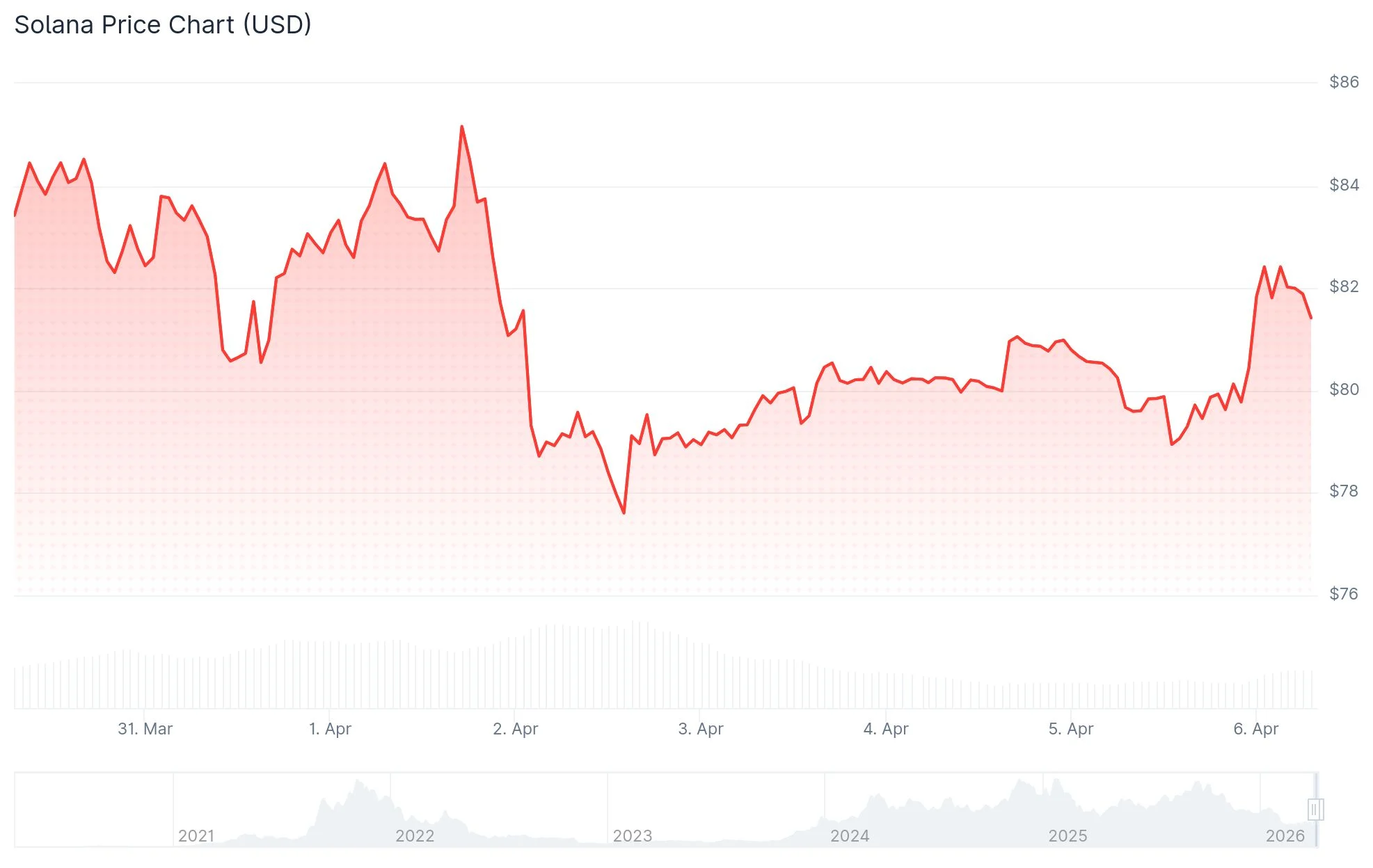
Staking returns on Solana require proper interpretation. A portion of yield derives from fresh token creation, which dilutes non-staking holders’ positions.
Solana’s initial token distribution favored insiders more heavily than Ethereum’s genesis, with substantial allocations directed toward early backers, development team members, and foundation reserves. While major vesting schedules have concluded, the initial concentration remains relevant when evaluating control and distribution risks.
Aligning Assets With Investor Profiles
Ethereum suits investors prioritizing capital preservation and stability. The platform boasts a more extensive developer community, deeper institutional relationships, and a more established position in cryptocurrency infrastructure.
Solana attracts investors accepting elevated risk exposure. The network delivers superior speed and enhanced user experience currently, with an ecosystem characterized by growth momentum.
Solana’s upside potential hinges on sustained market share gains in trading infrastructure and consumer applications. Its less effective token value capture and continuing inflation represent genuine concerns that warrant consideration in valuation.
Ethereum’s investment thesis centers on asset tokenization, stablecoin expansion, and sustained settlement layer demand. This narrative develops gradually but enjoys stronger institutional support.
Final Thoughts
Both cryptocurrencies occupy legitimate positions within the digital asset ecosystem. Ethereum represents the conservative, proven selection. Solana embodies the aggressive, potentially lucrative alternative. The appropriate choice depends entirely on individual risk tolerance and investment objectives.
