




Key Highlights
- Bitcoin plummeted from $75,000 to $66,000 throughout the week; Ethereum breached critical $2,000 threshold
- Major U.S. equity indices all entered correction phase, with the S&P 500 recording its most prolonged decline since 2022
- Crude oil prices breached the $100 barrier amid escalating Middle East tensions, triggering widespread risk aversion
- Coinbase unveiled cryptocurrency-collateralized home loans, while Tether secured KPMG for comprehensive reserve audit
- David Sacks resigned from his position as White House Crypto Czar after completing one year of service
Financial markets endured a brutal week as both digital assets and traditional equities experienced significant downward pressure. Surging energy prices combined with geopolitical instability drove investors away from riskier holdings.
Bitcoin tumbled from its weekly peak of $75,000 down to $66,000 by the close of trading on Friday, March 27. Ethereum collapsed beneath the psychologically important $2,000 level, a threshold that market participants consider crucial for near-term sentiment.
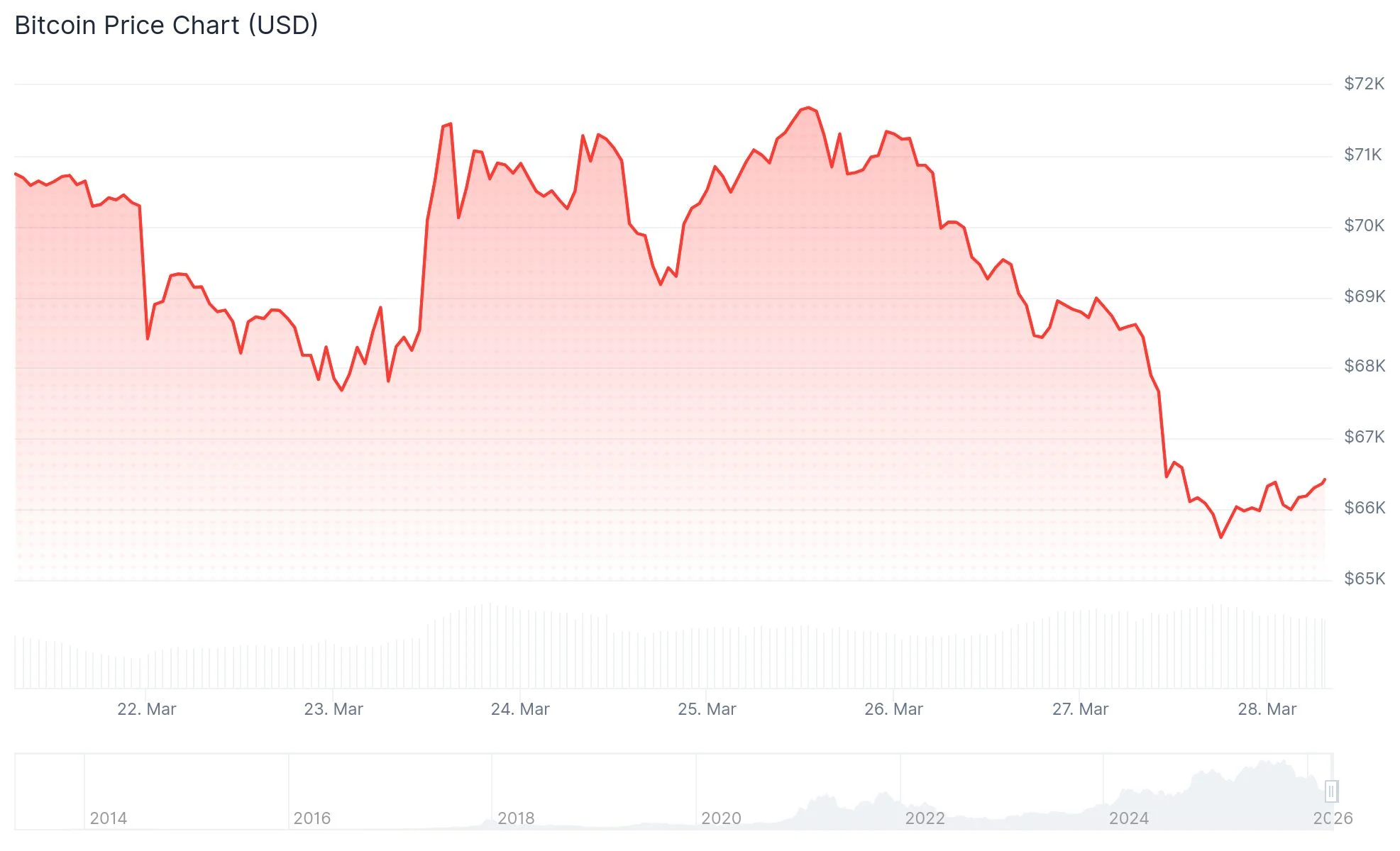
Both Solana and XRP suffered substantial losses throughout the week. The wider digital currency marketplace mirrored the decline in equity markets as anxiety permeated trading floors globally.
Traditional markets fared no better. The S&P 500 registered its fifth consecutive weekly decline, marking the index’s most extended losing period since 2022. The Dow Jones Industrial Average officially entered correction mode, falling more than 10% from its latest peak.
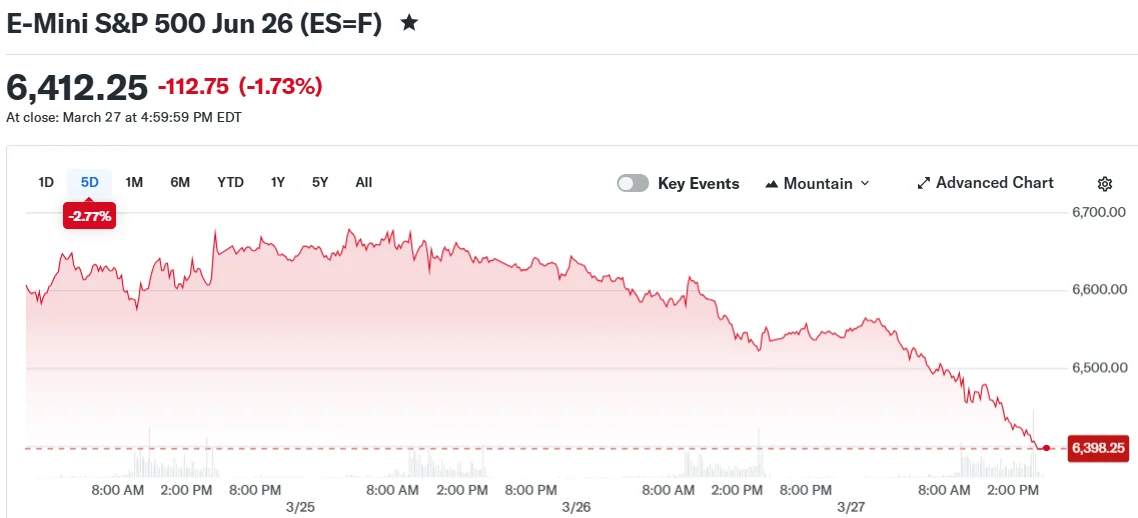
The tech-heavy Nasdaq plunged 2.1% on Friday’s session alone, deepening its correction status. The elite group of “Magnificent Seven” technology giants saw their combined market capitalization evaporate by over $330 billion within just 24 hours.
Oil prices emerged as the primary catalyst behind the market turbulence. Brent crude climbed above $106 per barrel while West Texas Intermediate crossed the $100 threshold, driven by escalating hostilities throughout the Middle East that traders fear could persist through April.
President Trump granted Iran a 10-day extension to his original ultimatum, pushing the compliance deadline to April 6 before potential military action against Iranian energy infrastructure. Financial markets continued to exhibit nervousness despite the temporary reprieve.
Significant Developments in the Cryptocurrency Sector
Coinbase revealed a groundbreaking product enabling cryptocurrency-backed home financing across the United States. Through a strategic alliance with Better Home & Finance, prospective homeowners can now leverage Bitcoin holdings as down payments, with the initiative receiving government support.
Tether, the company behind the leading stablecoin, engaged Big Four auditing firm KPMG to conduct a comprehensive examination of its $185 billion USDT reserves. This strategic decision aligns with Tether’s broader ambitions to establish a stronger foothold in American markets. Circle Internet Group’s stock price tumbled 24% across the week following this announcement.
Intercontinental Exchange, the corporation controlling the New York Stock Exchange, injected $600 million into decentralized prediction platform Polymarket. This substantial investment provides Polymarket with resources to scale operations as established financial institutions increasingly enter the prediction market arena.
Policy Developments and Regulatory Updates
David Sacks concluded his tenure as White House Crypto Czar following a one-year appointment. During his term, Sacks guided initial cryptocurrency policy initiatives from the administration, including shepherding the GENIUS Act through legislative channels, and has transitioned to the President’s Council of Advisors on Science and Technology. The administration has yet to announce his successor.
Prediction platform Kalshi witnessed its corporate valuation surge to $22 billion in its most recent capital raise, doubling from its $11 billion assessment in December. This funding milestone arrived simultaneously with Arizona prosecutors filing 20 criminal charges against the company, alleging operation of an unlicensed gambling enterprise.
Roughly $15 billion worth of Bitcoin options contracts reached expiration on the Deribit exchange on March 27, comprising 40% of the platform’s total outstanding contracts. Market analysts note that a comparable $19 billion options expiry last September coincided with the initiation of Bitcoin’s ongoing correction, which has now reached a 40% decline from its October highs.
