



TLDR
- A $200M military contract between Anthropic and the Pentagon fell apart when defense officials demanded removal of contractual language limiting “analysis of bulk acquired data”
- The Trump administration ordered federal agencies to halt Anthropic tool usage; Secretary Hegseth warned of potential national security supply-chain designation
- OpenAI secured its own Pentagon agreement in the aftermath, though CEO Sam Altman later acknowledged rushing the decision and opposed supply-chain designation for Anthropic
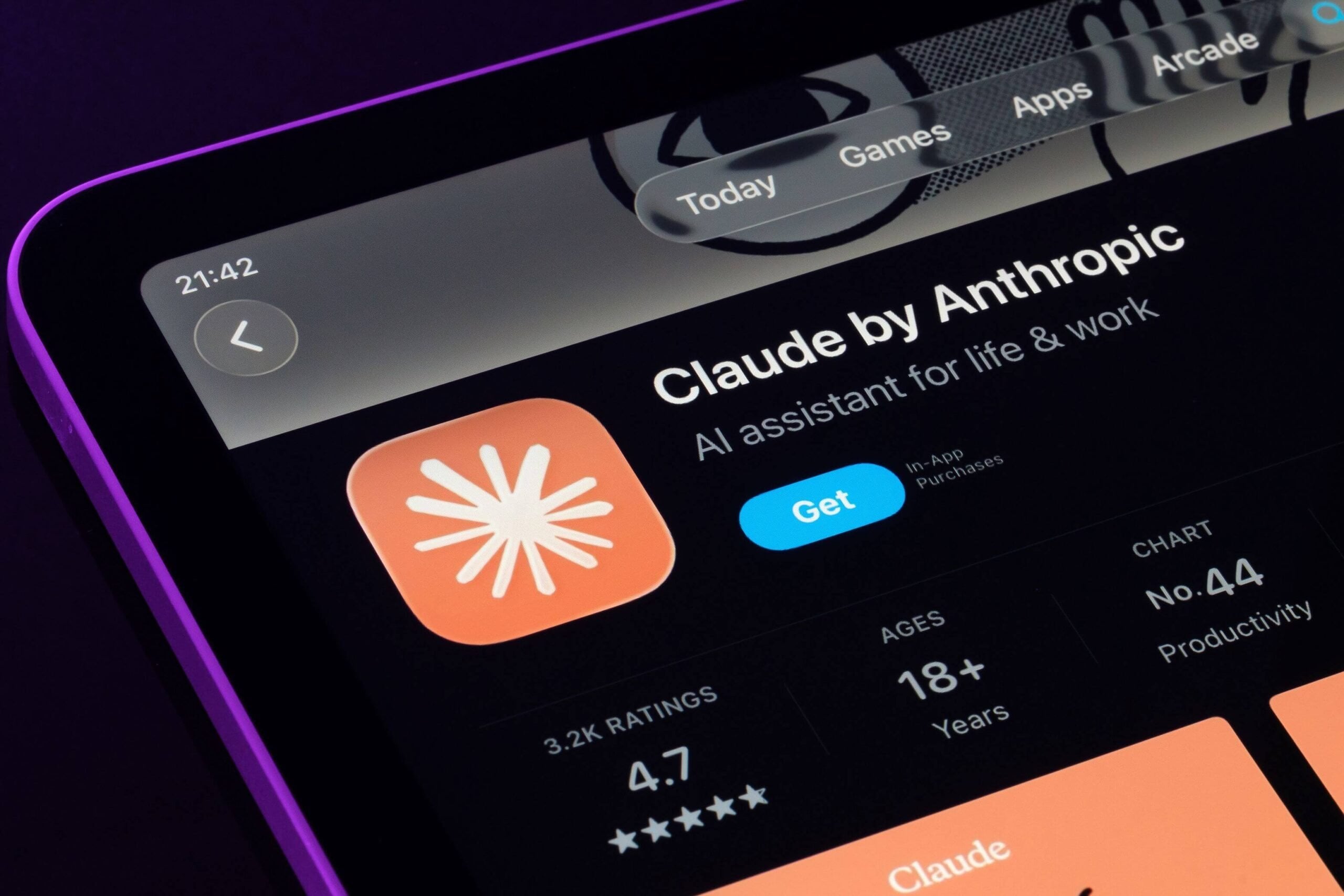
- Claude AI surged to number one on Apple’s App Store amid the controversy, with Anthropic’s annualized revenue climbing from $14 billion to $19 billion
- CEO Dario Amodei has reengaged with Defense Department leadership to explore a path forward
According to The Financial Times, Anthropic’s CEO Dario Amodei has reopened discussions with Pentagon leadership following the collapse of negotiations regarding military deployment of Claude AI systems last Friday.
Amodei is now engaging with Emil Michael, the under-secretary of defense for research and engineering, attempting to resurrect an agreement that would govern how the military accesses Claude’s capabilities.
The Pentagon had committed $200 million to make Claude the inaugural major AI system integrated into classified government networks. That arrangement was finalized by mid-2025.
Negotiations derailed when Defense Department officials requested that Anthropic strike specific language regarding “analysis of bulk acquired data” from contractual provisions. In an internal communication, Amodei indicated this particular clause addressed his primary concern.
Anthropic pursued assurances that Claude wouldn’t support domestic surveillance operations or fully autonomous weapon systems. Pentagon officials countered that they required flexibility to deploy the technology for any legally permissible application.
Michael had earlier criticized Amodei on X, labeling him a “liar” afflicted with a “God complex.” This public attack occurred mere days before negotiations completely broke down.
President Trump subsequently issued directives prohibiting federal agencies from utilizing Anthropic’s products. Defense Secretary Pete Hegseth announced intentions to classify the company as a national security supply-chain vulnerability.
OpenAI Seizes Opportunity — Then Backtracks
Almost immediately following the White House action against Anthropic, OpenAI unveiled its own Pentagon partnership. The conspicuous timing generated significant public criticism.
ChatGPT experienced a wave of application deletions, while Claude ascended to the top position in the Apple App Store. Anthropic’s annualized revenue trajectory jumped from $14 billion to $19 billion within weeks.
Sam Altman, OpenAI’s CEO, subsequently admitted his organization “shouldn’t have rushed” into the arrangement. He additionally stated on X that Anthropic shouldn’t receive supply-chain risk designation, and suggested the DoD should extend identical terms to Anthropic that OpenAI accepted.
Key Anthropic stakeholders, including Amazon’s CEO Andy Jassy, have engaged Amodei directly regarding the situation. Additional investors contacted Trump administration officials seeking to prevent a comprehensive prohibition on Anthropic AI for all Pentagon contractors.
Certain investors expressed dissatisfaction, characterizing the dispute as equally rooted in “ego and diplomacy” as substantive policy disagreements.
Anthropic’s Financial Future Hangs in Balance
Enterprise customers generate approximately 80% of Anthropic’s revenue stream. The company’s expected public offering relies substantially on maintaining robust revenue expansion.
An industry coalition featuring Nvidia, Google, and Anthropic submitted correspondence to Hegseth on Wednesday expressing apprehension about classifying an American company as a supply-chain threat.
Supporters assembled at Anthropic’s corporate headquarters, leaving chalk inscriptions on the sidewalk. One message declared: “God loves Anthropic.”
Based on recent updates, dialogue between Anthropic and Pentagon officials continues, though specific terms remain undisclosed.
