



Key Takeaways
- Nvidia stock advanced more than 2% Thursday following confirmation that CEO Jensen Huang will accompany Trump to China
- President Trump is scheduled to meet with President Xi Jinping in Beijing May 14–15 for discussions on trade and technology
- Export restrictions have eliminated Nvidia’s presence in China’s AI GPU sector entirely
- Business leaders from Apple, Boeing, Qualcomm, Citigroup, Blackstone, and Visa have reportedly received invitations to the summit
- Nvidia has set an ambitious revenue target of $1 trillion by 2027, making market access critical
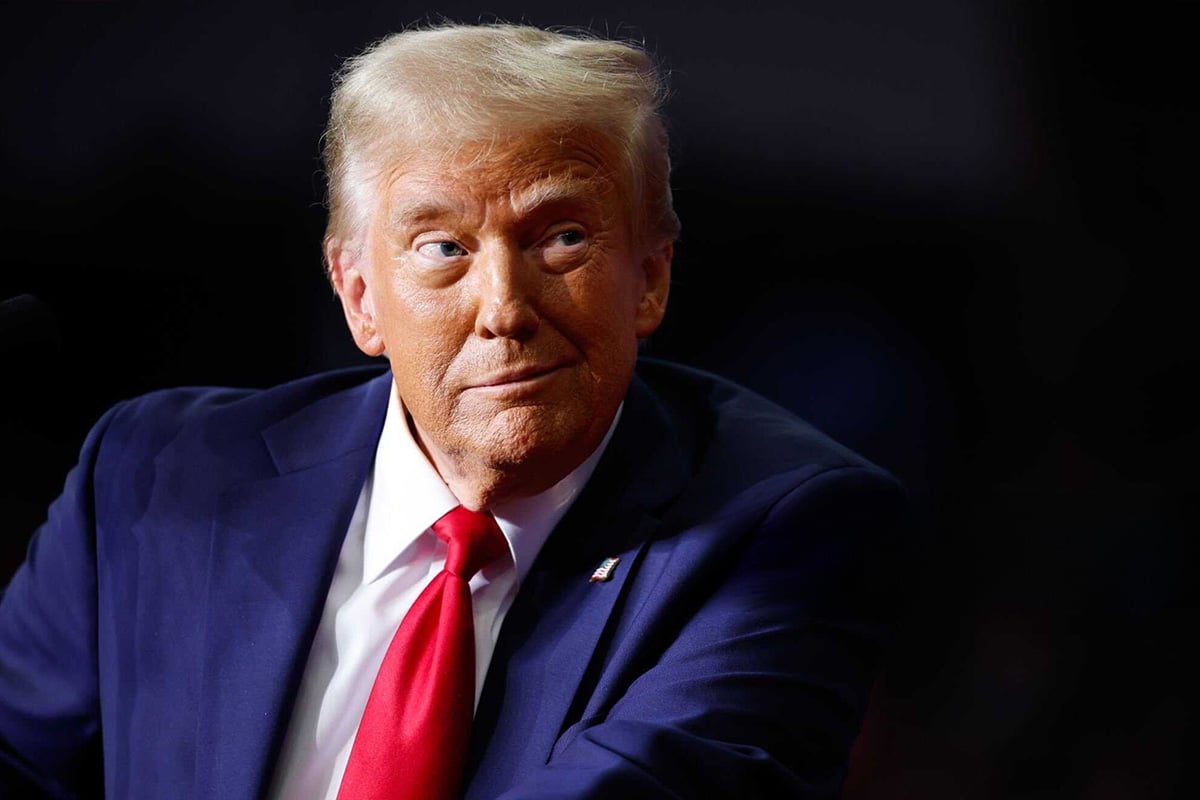
Shares of Nvidia experienced a notable uptick Thursday afternoon, rising more than 2% following confirmation that the company’s CEO Jensen Huang will accompany President Donald Trump during his diplomatic visit to China scheduled for next week.
The President’s itinerary includes meetings with Chinese President Xi Jinping in Beijing on May 14 and 15. Discussions are anticipated to address ongoing trade tensions, technology transfer concerns, and the strategic importance of rare earth minerals.
Market participants interpreted the development as potentially significant for Nvidia’s prospects of regaining entry into China’s lucrative artificial intelligence chip sector, from which it has been effectively excluded for several years.
According to reporting by Semafor, the administration has extended invitations to top executives from major corporations including Apple, Boeing, Exxon, Qualcomm, Blackstone, Citigroup, and Visa to participate in the diplomatic mission.
Qualcomm acknowledged receiving the invitation but offered no additional commentary. A source with knowledge of the arrangements confirmed that Citigroup CEO Jane Fraser was among those invited.
Requests for comment directed to the White House, Nvidia, Apple, and Visa went unanswered. Both Blackstone and Boeing chose not to provide statements.
Export Restrictions Have Completely Eliminated Nvidia’s Chinese Market Position
In remarks made just days prior to news of the planned visit, Huang acknowledged publicly that Nvidia currently maintains no market share whatsoever in China’s artificial intelligence GPU sector. This represents the cumulative impact of successive U.S. government export controls targeting advanced semiconductor technology.
These restrictions were initially implemented in October 2022 under the previous administration and have remained in effect since. The stated objective has been preventing China from acquiring technologies with potential military or surveillance applications.
In April 2025, the Trump administration imposed an indefinite prohibition on exports of Nvidia’s H20 chip series to China, Hong Kong, and Macau. This action compelled Nvidia to withdraw China-related revenue and profit expectations from its financial guidance.
Subsequently, Trump granted conditional authorization for Nvidia to export its H200 chip series to China under restricted circumstances. Nevertheless, certain members of Congress have expressed opposition to even these limited provisions.
Additional Export Control Measures Under Consideration
Government officials are reportedly developing new regulatory frameworks that would mandate approval processes for AI chip exports to all international destinations, extending well beyond China alone. Such measures would introduce additional complications for Nvidia’s worldwide distribution strategy.
Nvidia has publicly stated its objective of achieving annual revenues of at least $1 trillion by 2027. Securing even partial access to the Chinese marketplace would represent a substantial contribution toward reaching that ambitious milestone.
Boeing likewise has considerable interest in the outcome of the China visit. CEO Kelly Ortberg indicated to Reuters in April that the aerospace manufacturer is counting on Trump administration support to finalize a substantial aircraft purchase agreement with China that has been pending for an extended period.
Industry analysts suggest the prospective transaction could encompass 500 Boeing 737 MAX aircraft along with several dozen widebody models. This would constitute China’s first major Boeing procurement since 2017.
Analysts covering Nvidia maintain a Strong Buy consensus recommendation, with 40 Buy ratings, one Hold, and one Sell issued over the most recent three-month period. The consensus price target of $274.38 suggests approximately 29% appreciation potential from present trading levels.
