



Key Highlights
- Shares of Rackspace (RXT) jumped more than 60% during morning trading following first-quarter results and a strategic AMD partnership reveal
- First-quarter revenue reached $678M, surpassing consensus projections of roughly $667-675M, reflecting ~2% growth versus prior year
- Earnings per share came in at -$0.06, falling short of the -$0.03 consensus, though net income flipped positive to $8.3M compared to a year-ago loss of -$71.5M
- The company and AMD entered into a Memorandum of Understanding to develop a governed Enterprise AI Cloud platform targeting regulated sectors
- Management maintained its full-year 2026 outlook of $2.6–$2.7B in revenue; the AMD collaboration remains non-binding and in early stages
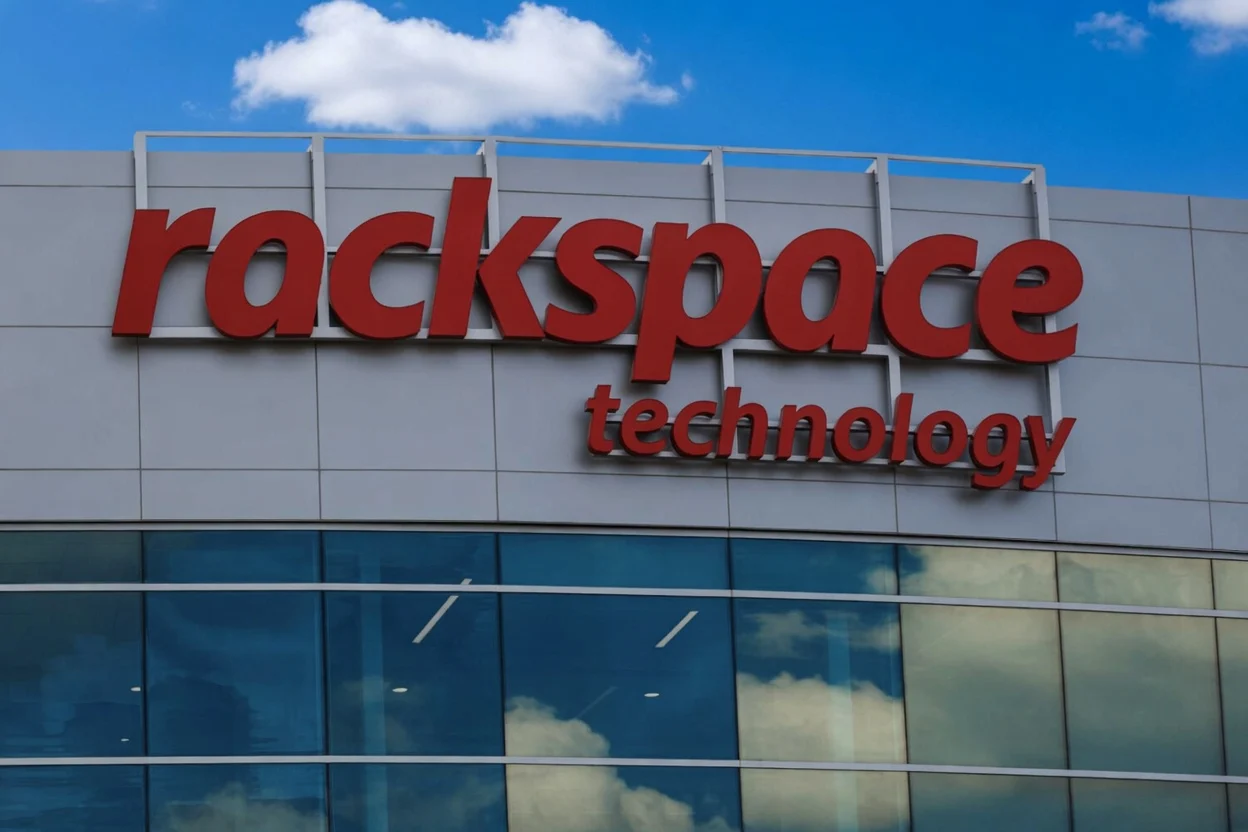
Rackspace Technology shares skyrocketed on May 7, 2026, climbing more than 60% during morning session trading and touching an intraday peak of $4.12, following the simultaneous release of first-quarter 2026 financial results and a strategic collaboration announcement with AMD.
Rackspace Technology, Inc., RXT
Prior to today’s session, the stock had been languishing as a struggling turnaround candidate. Analyst consensus price targets entering the quarter averaged just $1.93. Today’s move clearly blindsided Wall Street.
First-quarter revenue totaled $678.1 million, representing 1.9% year-over-year growth and exceeding Street expectations that ranged from approximately $667 million to $675 million. Operating profit expanded 20% versus the prior-year period to $31 million.
The company reported net income of $8.3 million, a dramatic reversal from the $71.5 million loss recorded in the comparable quarter last year. Contributing to this improvement was a $55.8 million gain related to debt extinguishment. Adjusted EBITDA climbed to $71.2 million.
Earnings per share disappointed expectations, registering at -$0.06 against the Street’s forecast of -$0.03. Gross margin also compressed to 18.3%, declining 160 basis points year-over-year.
During the quarter, the company bought back approximately $96 million in outstanding debt, lowering interest costs and advancing its balance sheet deleveraging strategy.
AMD Collaboration Takes Center Stage
In conjunction with quarterly results, Rackspace and AMD disclosed a Memorandum of Understanding aimed at creating what they describe as an entirely new category: governed Enterprise AI Cloud infrastructure purpose-built for regulated industries and sovereign computing requirements.
The initiative centers on deploying AMD Instinct GPUs and EPYC CPUs within a comprehensively managed technology stack, with Rackspace maintaining full ownership from hardware to business outcomes. This approach represents a marked departure from the prevailing hourly GPU rental models currently dominating the marketplace.
Chief Executive Gajen Kandiah emphasized that regulated enterprises are increasingly selective about AI deployment locations and accountability frameworks, positioning Rackspace to spearhead this emerging category.
CEO Amar Maletira noted that the company’s strategic pivot toward serving as an enterprise AI orchestrator within regulated environments is “gaining traction.”
It’s important to note that the Memorandum of Understanding carries no binding obligations. Negotiations remain in preliminary phases, with no finalized contracts executed to date.
Additional Highlights From Management Commentary
The Palantir collaboration also received attention during the earnings discussion, with management confirming the closure of their inaugural joint customer engagement and highlighting a robust opportunity pipeline.
Full-year 2026 financial guidance remained unchanged, with the company projecting total revenue between $2.6 billion and $2.7 billion and Non-GAAP Operating Profit in the $160–$170 million range.
Broader equity markets offered minimal support for today’s rally. The S&P 500 advanced just 0.08%, the Dow Jones Industrial Average gained 0.14%, and the Nasdaq Composite rose 0.26% during the session.
Wall Street sentiment before the earnings release leaned cautious, with four Hold recommendations and one Sell rating. Those price objectives now sit substantially below current trading levels.
RXT carries a beta coefficient of 2.24, indicating investors should anticipate pronounced volatility in both directions.
Insider transaction activity over the trailing six-month period showed nine open-market transactions, all representing stock sales.
