



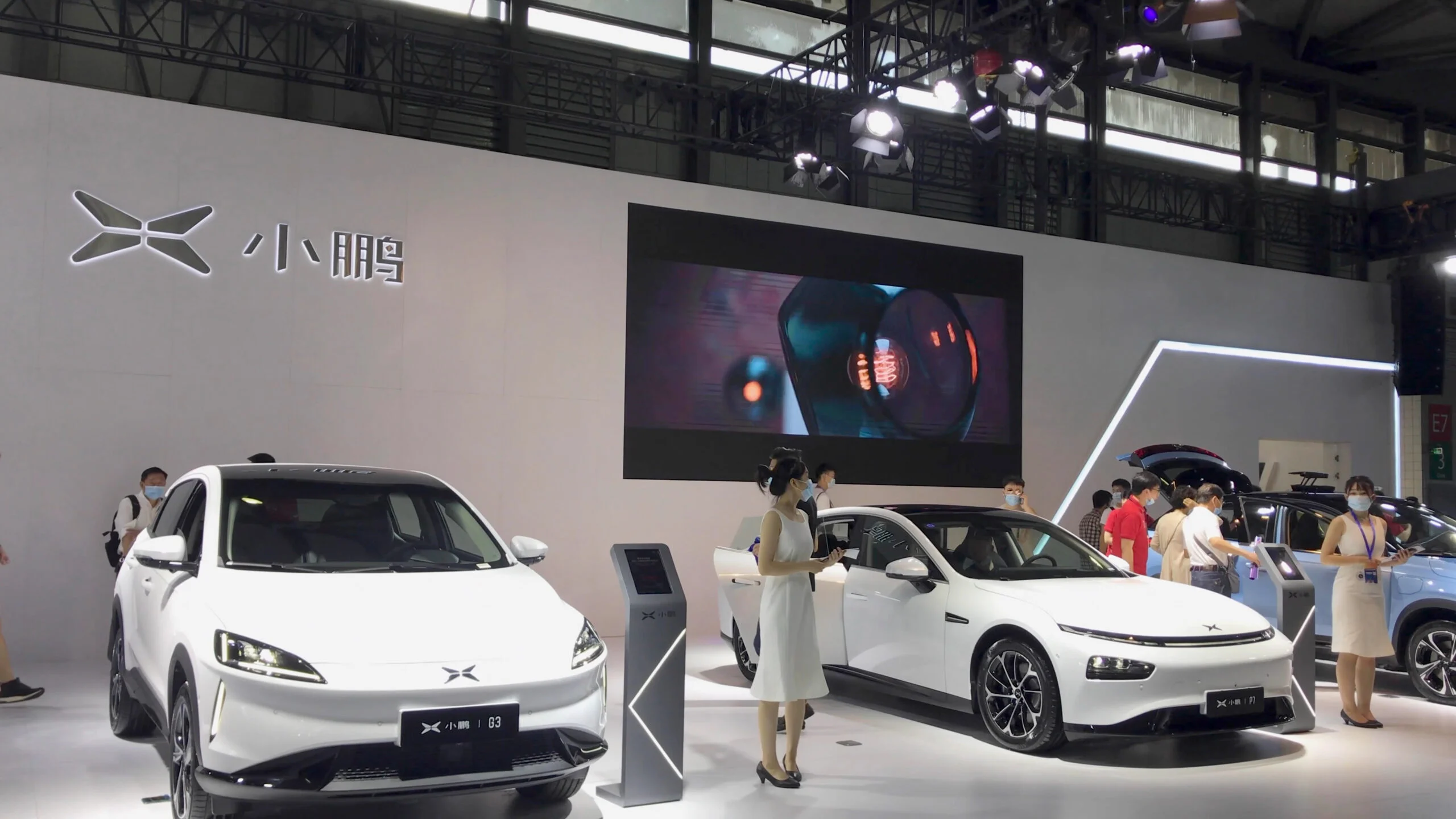
Key Highlights
- XPeng achieved maiden quarterly profitability with net income of 383.2 million yuan (approximately $55.5M) in Q4 2025
- Quarterly revenues surged 38% versus prior year to reach 22.25 billion yuan, surpassing Wall Street projections
- Gross profit margin expanded to 21.3%, a significant improvement from 14.4% in the year-ago period
- Shares advanced roughly 2% during early market hours; American Depositary Receipts increased 0.8% to $19.30 before the bell
- China’s three leading upstart EV manufacturers — XPeng, NIO, and Li Auto — have all achieved profitability
The Guangzhou-based automaker shipped 116,249 electric vehicles during the fourth quarter, establishing a new company milestone, although falling short of its internal forecast range of 125,000–132,000 units. The profitability outcome nonetheless caught analysts off guard — consensus estimates had projected a net deficit of approximately 200 million yuan.
Looking at the complete 2025 fiscal year, XPeng’s net deficit contracted substantially to 1.14 billion yuan compared to 5.79 billion yuan during 2024. Annual revenue skyrocketed 88% to reach 76.72 billion yuan.
The margin expansion narrative proves equally compelling. Fourth-quarter gross margin reached 21.3%, climbing from 14.4% twelve months prior. On an annual basis, gross margin landed at 18.9%, compared with 14.3% during 2024. Company executives attributed the improvement to persistent cost optimization efforts and an enhanced vehicle portfolio mix.
This profitability milestone arrives amid an intense pricing battle sweeping China’s electric vehicle sector. Domestic rivalry has intensified considerably, and XPeng shares remain down 12% over the trailing twelve months despite Friday’s positive momentum.
NIO announced its own inaugural quarterly profit last week following record-breaking deliveries. Li Auto, the first of the trio to cross into profitability, delivered a modest profit alongside softer sales figures — demonstrating that achieving profitability doesn’t guarantee consistent performance in China’s highly competitive automotive landscape.
XPeng’s ambitions extend well beyond traditional vehicle sales. The manufacturer recently introduced its VLA 2.0 autonomous-driving platform, powered by proprietary semiconductor technology, with international rollout scheduled for 2027.
The company also intends to introduce three dedicated robotaxi variants this year targeting ride-sharing operations across China, with pilot programs anticipated to commence later in 2026.
Expanding into Robotaxis and Humanoid Robotics
XPeng has been rebranding itself as what management describes as a “physical AI company,” venturing into autonomous taxi services and humanoid robotics alongside its primary electric vehicle operations. While these represent extended-horizon investments, concrete implementation timelines are beginning to materialize.
First-quarter 2026 projections, however, signal a near-term slowdown. XPeng anticipates delivering between 61,000 and 66,000 vehicles, accompanied by revenue guidance of 12.20–13.28 billion yuan. This represents a 16% to 23% contraction compared to the equivalent period last year — marking a considerable deceleration following strong Q4 performance.
First Quarter Outlook Points to Sequential Decline
The anticipated Q1 delivery reduction mirrors customary seasonal patterns within the Chinese automotive sector following robust year-end purchasing activity. XPeng management has not indicated any fundamental challenges, characterizing this as typical first-quarter cyclicality.
XPeng American Depositary Receipts traded 0.8% higher at $19.30 during Friday’s premarket session following the financial results announcement.
