



TLDR
- United Parcel Service shares declined approximately 4.9% on March 9, 2026, triggered by crude oil climbing above $100 per barrel
- Rival shipper FedEx (FDX) experienced a steeper decline of over 7% during the same trading session
- Investment firm Jefferies recently upgraded UPS’s price target to $135 from $130, suggesting 38% potential gains
- The stock’s Relative Strength Index stands at 30.22, approaching oversold levels
- Company management anticipates revenue expansion in 2026 following a roughly 3% contraction in 2025
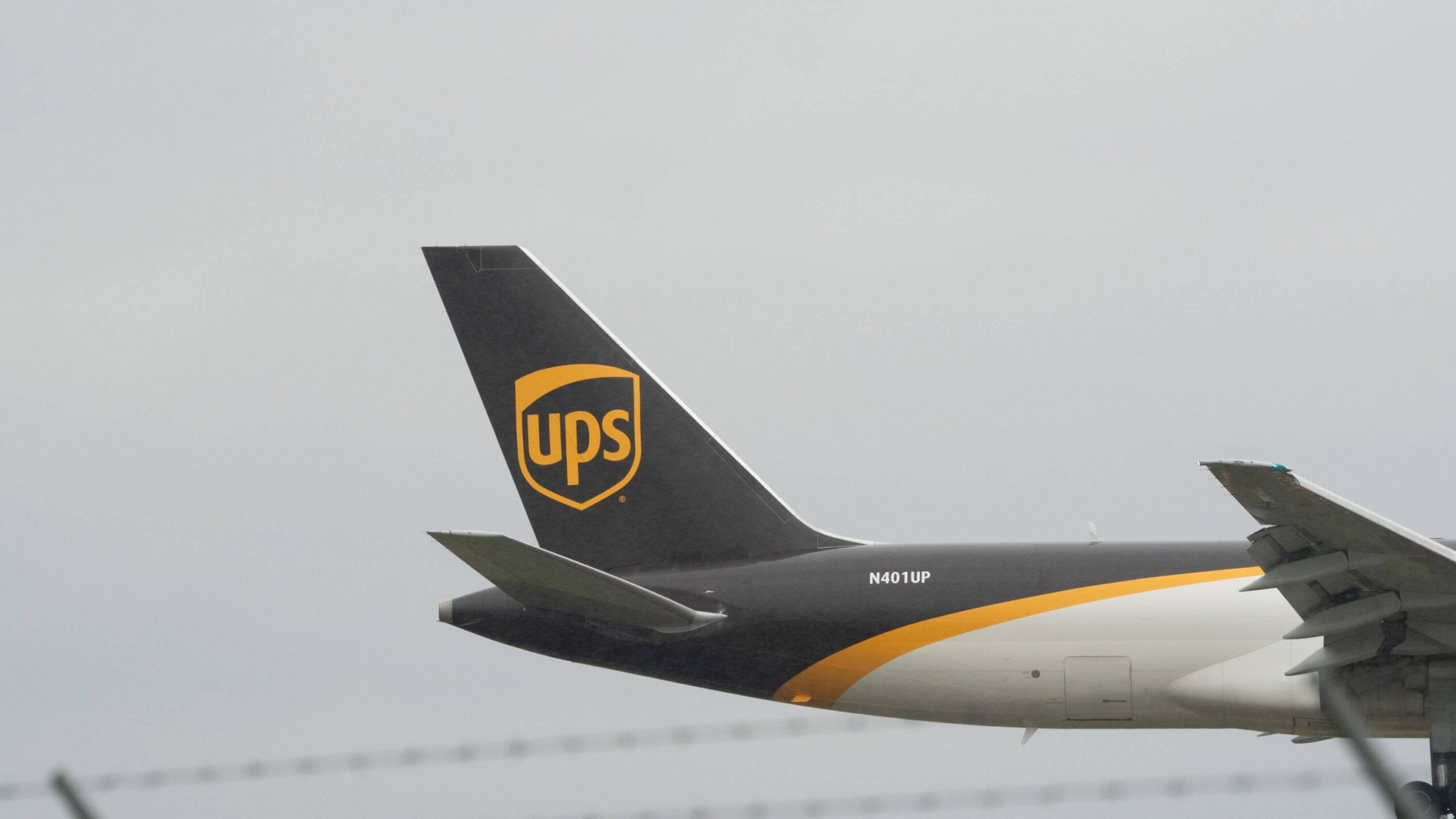
Shares of United Parcel Service experienced significant downward pressure Monday as escalating oil costs created turbulence throughout the transportation industry. The stock declined nearly 4.9% to approximately $97.90 by the middle of the trading day.
United Parcel Service, Inc., UPS
Oil prices rocketed past the $100-per-barrel threshold during morning hours, fueled by intensifying tensions across Middle Eastern regions. While crude retreated modestly from peak levels, costs stayed uncomfortably high, keeping fuel expense concerns paramount for investors.
FedEx (FDX) suffered an even harsher blow, plummeting over 7% as the session unfolded. Transportation equities faced broad-based selling pressure as market participants reassessed exposure to rising fuel expenditures.
For UPS shareholders maintaining bullish positions, the timing proves particularly unfortunate. Only days earlier, Jefferies highlighted UPS among its preferred selections within the “HALO” investment theme — representing “heavy asset, low obsolescence.” The thesis centers on pivoting toward businesses with tangible physical assets resistant to AI-driven displacement or technological disruption.
Accompanying that recommendation, Jefferies lifted its UPS valuation target from $130 to $135. Based on Monday’s trading level around $97.90, this projection indicates potential appreciation of approximately 38%.
Oil Pressure Hits Already-Thin Margins
Fuel expenses represent among the largest operational costs for any logistics operator maintaining fleets exceeding 500 aircraft and 100,000 ground vehicles. When petroleum prices surge, the impact materializes rapidly.
UPS currently operates with an 8.87% operating margin, showing a downward trajectory — contracting an average of roughly 4% annually throughout the previous five-year period. Net profitability stands at 6.29%. Any prolonged elevation in oil costs complicates efforts to maintain these metrics.
Top-line performance contracted nearly 3% during 2025. Company executives have projected revenue growth resumption in 2026, although this forecast preceded the current petroleum market disruption.
The shipper carries a debt-to-equity ratio of 1.76, representing elevated leverage. Its interest coverage ratio of 7.74 indicates debt servicing remains feasible currently, though heightened leverage reduces flexibility when facing margin pressure.
What the Valuation Says
From a fundamental perspective, UPS appears reasonably priced at present levels. The price-to-earnings multiple registers 15.6, trading beneath its historical median of 19.63. The price-to-sales ratio measures 0.98.
GurFocus calculates intrinsic value at $133.78, classifying UPS as somewhat undervalued relative to current quotations. The 30.22 RSI reading suggests the security approaches oversold conditions from a technical standpoint.
Wall Street consensus averages a 2.5 rating — essentially a neutral recommendation — accompanied by a $114.40 mean price objective.
The firm’s Altman Z-Score of 2.94 positions it within the cautionary zone, highlighting some financial strain warranting monitoring. Insider transactions have skewed toward dispositions, with 25,014 shares sold throughout the most recent three-month window.
UPS processes approximately 22 million parcels daily across global operations. Domestic United States activities generate roughly 65% of consolidated revenue, while international shipments contribute 20%.
The equity’s 52-week trading band extends from $82.00 through $123.70. Monday’s intraday trough touched $97.01, with total market capitalization hovering near $86.91 billion.
As of midday Monday, UPS was changing hands at $97.90 with a dividend yield of 6.41%.
