



Key Takeaways
- Bitcoin slid 2.2% to $66,609 following President Trump’s address that offered no clear path to ending hostilities with Iran
- Solana experienced the steepest decline among major cryptocurrencies, plummeting 5.2%
- Equity futures took a beating with S&P 500, Nasdaq, and Dow futures all declining over 1%
- Brent crude jumped 5% to surpass $106 per barrel amid ongoing geopolitical tensions
- Market sentiment remains deeply pessimistic with the Fear and Greed Index registering 8, firmly in extreme fear
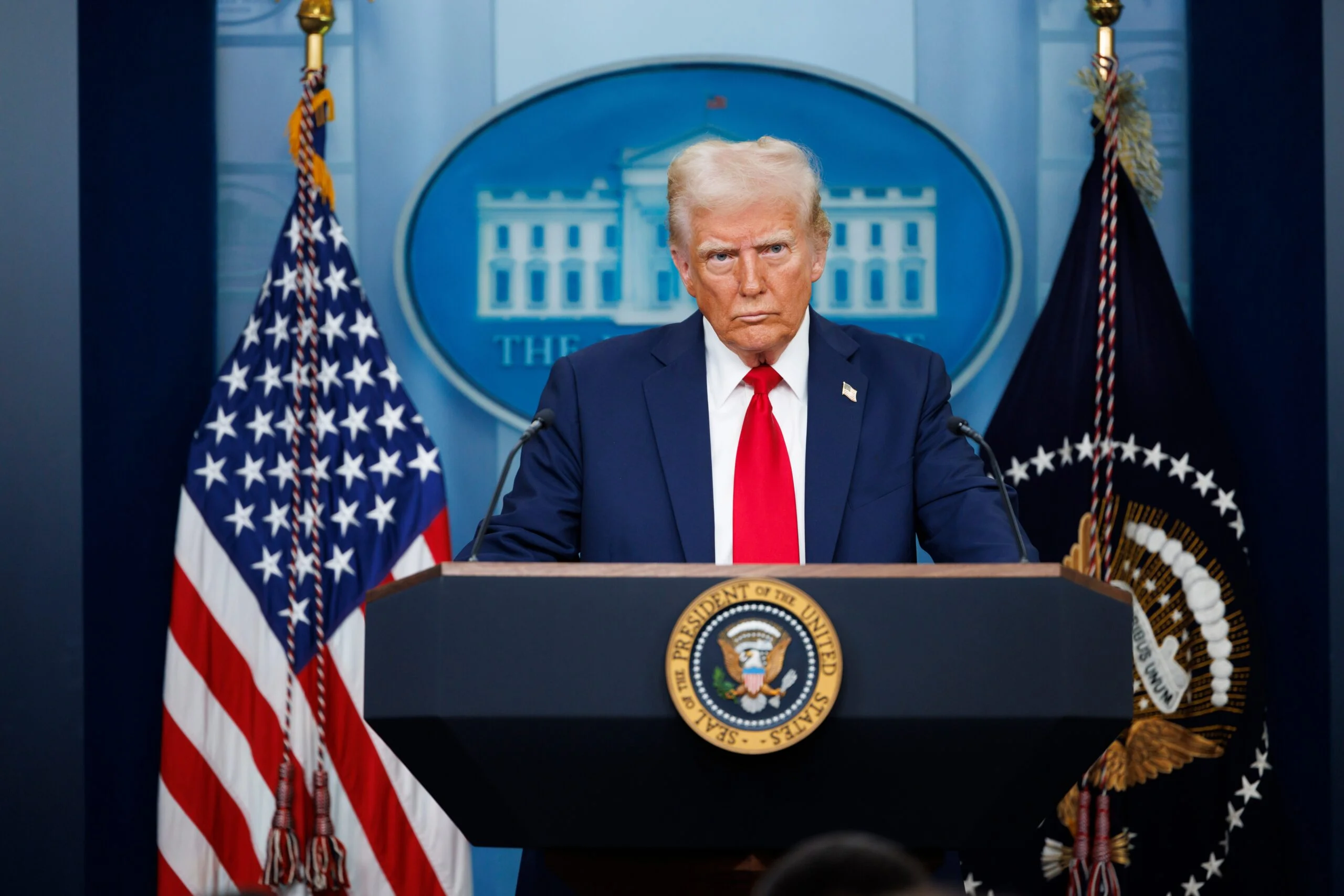
Cryptocurrency markets and U.S. equity futures experienced significant declines following President Trump’s Wednesday evening national address, which dashed investor hopes for a swift resolution to the U.S.-Israeli conflict with Iran.
NOW – Trump on Iran: “We’re going to hit them extremely hard over the next 2-3 weeks. We’re going to bring them back to the stone ages, where they belong!” pic.twitter.com/knSmNB9OQk
— Disclose.tv (@disclosetv) April 2, 2026
During his address to the American people, Trump declared that U.S. military forces would strike Iran “extremely hard” throughout the coming two to three weeks—words that sent shockwaves through financial markets.
Leading up to the presidential speech, market participants had shown cautious hope. Earlier in the day, Trump had hinted that the conflict might conclude within weeks without necessitating a diplomatic agreement with Tehran. This optimism propelled Asian equity markets upward by 4%, while S&P 500 futures rallied. Investor sentiment reached its highest point in over a month.
However, the nearly 20-minute address reversed that momentum entirely. Trump’s speech contained no indication of a policy shift toward Iran, provided no ceasefire timeline, and lacked concrete details about future military operations.
Bitcoin retreated 2.2% to $66,609, erasing its previous day’s advances. Ethereum declined 2.2% to $2,056. BNB tumbled 3.9% to $591, while XRP dropped 2.5% to $1.31.
Among the top ten cryptocurrencies by market capitalization, Solana suffered the most severe losses, declining 5.2% and pushing its weekly loss to 13%.
Equity Futures Mirror Crypto Weakness
American stock index futures tracked the cryptocurrency market’s downward trajectory. S&P 500 futures declined 1.3%, while Nasdaq 100 futures fell 1.6%. Dow Jones futures dropped 1.2%.
Global equity markets reflected similar pessimism. Asian markets retreated 2.1% in the aftermath of Trump’s speech. Meanwhile, the U.S. dollar gained strength, and Treasury bonds declined as inflation concerns resurfaced.
Brent crude oil prices surged 5% to breach the $106 per barrel threshold. Since the conflict’s inception in late February, oil prices have climbed approximately 40%. The Strait of Hormuz, a vital conduit for global oil shipments that has been closed since mid-March, remains blocked. Trump indicated it would reopen “naturally” following the cessation of military action, though he provided no specific timeframe.
Bitcoin Remains Trapped in Five-Week Range
For five consecutive weeks, Bitcoin has oscillated within a range of approximately $60,000 to $73,000. The digital asset declines with each escalation in geopolitical tensions and rebounds when de-escalation appears possible.
The Fear and Greed Index currently stands at 8, indicating extreme fear among market participants. This metric has remained between 8 and 14 throughout the past month.
Despite current market conditions, certain traders remain hopeful based on historical patterns. April has traditionally been a strong month for Bitcoin, finishing positive in 10 of the last 15 years with an average return of 20.9%.
Additionally, Bitcoin recently found support at its two-month uptrend line near $60,000 and is attempting to reclaim its 50-day moving average.
Thursday marks the final trading session of this holiday-shortened week, with Good Friday bringing market closures. Economic data releases include weekly jobless claims on Thursday morning and the March employment report on Friday.
Trump acknowledged that Iran’s president had reached out regarding a potential ceasefire, but emphasized that any settlement would be contingent upon the reopening of the Strait of Hormuz.
