
Contents
TLDR
- Bitcoin (BTC) has achieved macro asset status with approved spot ETFs and increasing interest from sovereign wealth funds worldwide
- Ethereum (ETH) remains the foundation for DeFi protocols, stablecoin infrastructure, and tokenized real-world assets with deflationary token economics
- Solana (SOL) has emerged as the top Layer 1 blockchain by daily active addresses and transaction throughput following its recovery from the FTX fallout
- Chainlink (LINK) maintains its position as the leading oracle solution, providing essential data infrastructure for smart contract applications and asset tokenization
- Avalanche (AVAX) attracts enterprise clients through its subnet technology, partnering with major institutions like Amazon Web Services and Deloitte
The cryptocurrency landscape heading into 2025 represents a dramatic shift from previous market cycles. Institutional capital flows have accelerated, regulatory frameworks are taking shape, and previously theoretical applications have achieved meaningful adoption.
Bitcoin exchange-traded funds have accumulated billions in assets under management. Blockchain networks are facilitating the tokenization of traditional financial assets. The decentralized finance sector processes transaction volumes in the trillions. For long-term investors, the critical question centers on which digital assets will capture the greatest value appreciation over a three-to-five-year horizon.
This analysis examines five cryptocurrency projects divided into two categories: three large-capitalization assets with established institutional interest, and two medium-cap protocols offering elevated growth trajectories.
Bitcoin
Bitcoin has transcended its origins as purely a cryptocurrency. Major institutional investors now classify it as a macro asset comparable to precious metals like gold.
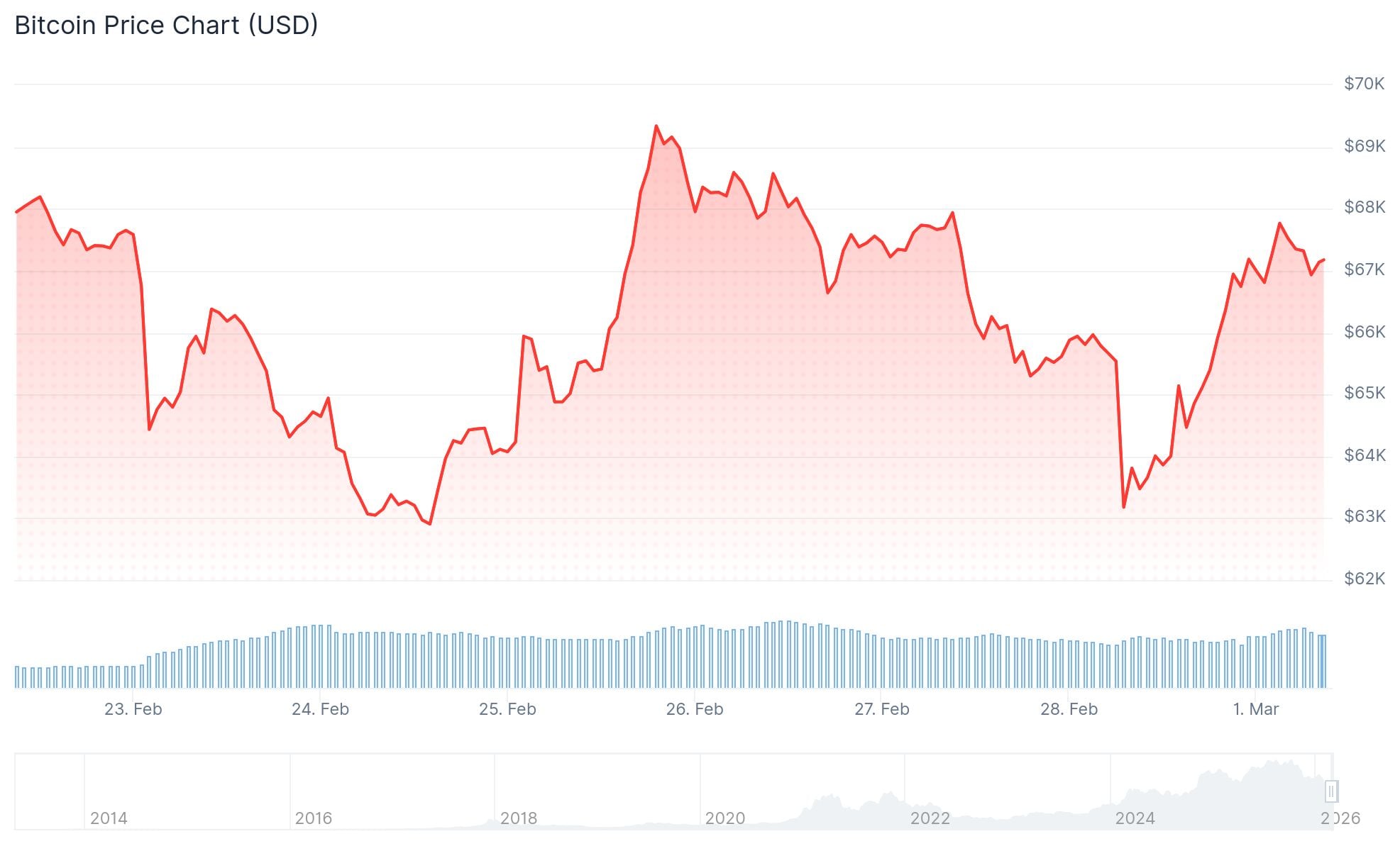
The approval of spot Bitcoin ETFs in the United States has integrated the asset into conventional investment portfolios. Bitcoin’s programmatic supply cap of 21 million coins ensures no centralized entity can inflate the monetary base.
The 2024 halving event further reduced Bitcoin’s issuance rate. National sovereign funds have initiated allocations to Bitcoin, establishing a new category of institutional demand.
Ethereum
Ethereum functions as the foundational infrastructure for substantial portions of the digital asset ecosystem. The network facilitates decentralized finance applications, stablecoin operations, NFT marketplaces, and the tokenization of traditional assets.
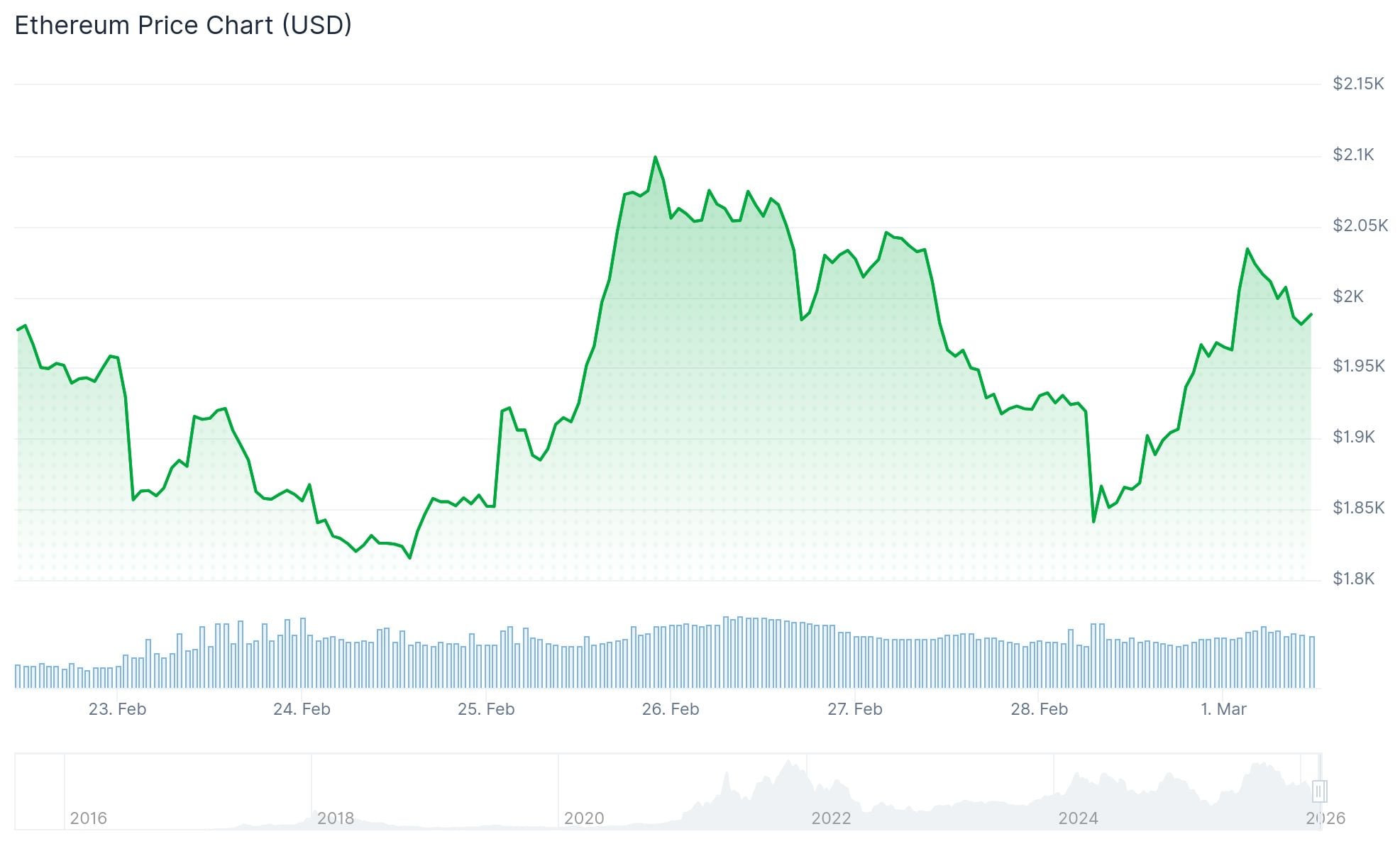
Following its transition to a Proof-of-Stake consensus mechanism, Ethereum demonstrates deflationary characteristics when network utilization reaches elevated levels. Scaling solutions including Base, Arbitrum, and Optimism leverage Ethereum as their settlement layer and continue expanding their user bases.
Solana
Solana faced potential extinction following its association with the FTX exchange collapse in 2022. The network has since staged a remarkable comeback, currently processing more daily active users and transactions than any competing Layer 1 blockchain.
Solana’s infrastructure supports payment applications, decentralized physical infrastructure projects, and high-frequency token trading. Development activity on the network remains robust across multiple verticals.
Mid-Cap Picks
Chainlink
Chainlink has established itself as the preeminent oracle infrastructure provider in the blockchain industry. The protocol enables smart contracts to access external information sources including asset prices, benchmark rates, and various real-world data feeds.
Nearly every significant DeFi platform integrates Chainlink’s services. The expanding tokenization of traditional assets amplifies demand for dependable data infrastructure solutions like those Chainlink provides.
Avalanche
Avalanche enables enterprises to deploy customized blockchain environments through its subnet framework. These purpose-built chains maintain interoperability with the primary Avalanche network while offering tailored functionality.
Major technology and professional services firms including Amazon Web Services and Deloitte have established partnerships with Avalanche. Despite ongoing institutional development, the AVAX token remains substantially below its historical peak valuation.
Avalanche’s development trajectory emphasizes enterprise applications requiring regulatory compliance and high-performance infrastructure isolated from public blockchain networks.