



Key Highlights
- China-made Tesla vehicles saw a year-over-year surge exceeding 35% during January–February 2026, totaling 127,728 units
- BYD experienced a 36% year-over-year decline in deliveries during the same timeframe, though it maintains global leadership
- Shanghai Gigafactory production exceeded twice the volume of its nearest competitor, Leapmotor
- BYD introduced an advanced Blade battery technology offering 10%–97% charging in approximately nine minutes
- Geely’s Xingyuan and Xiaomi’s YU7 each captured top monthly rankings in China, surpassing both major automakers
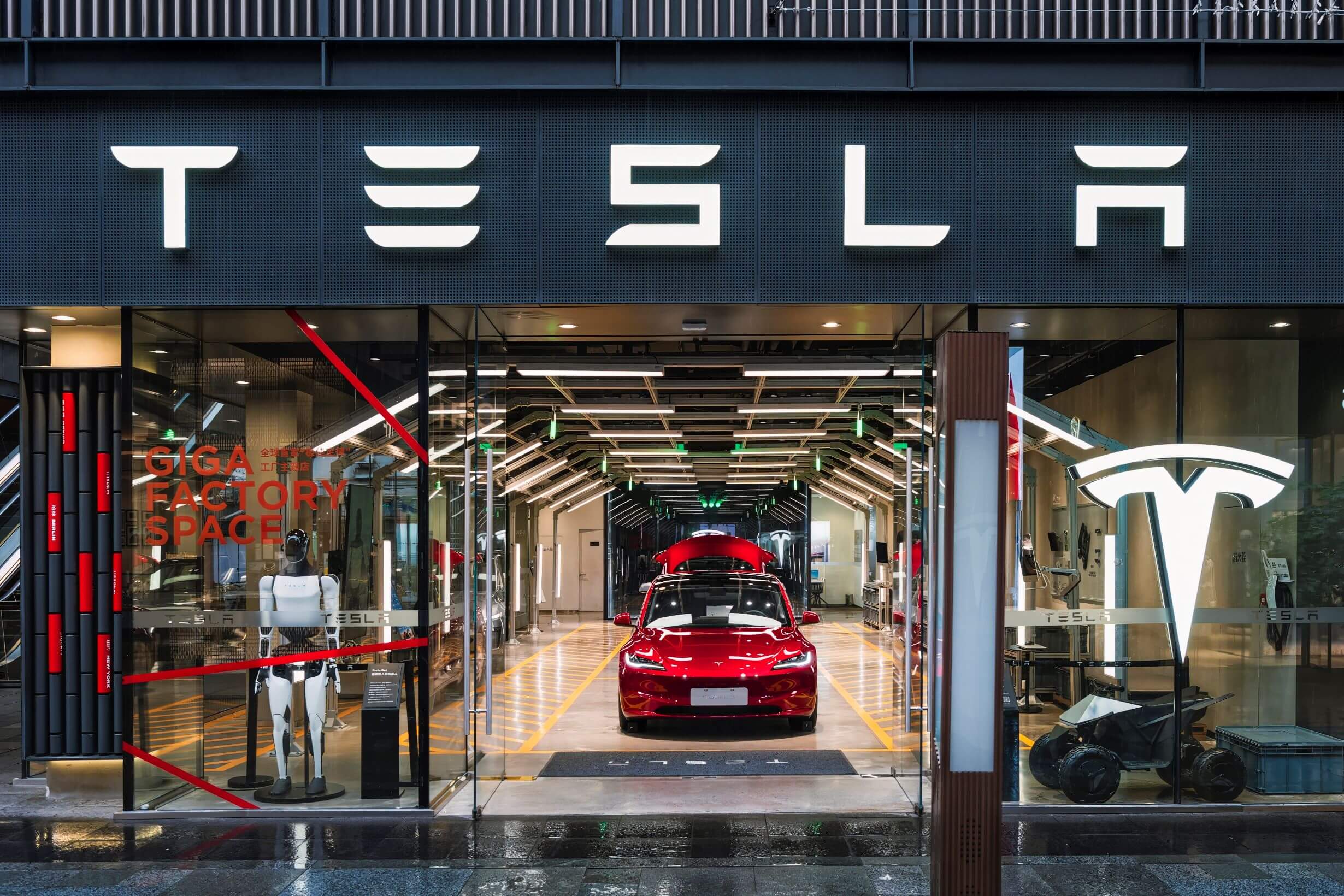
Tesla kicked off 2026 with impressive momentum in the Chinese market, recording a year-over-year increase exceeding 35% in deliveries of Shanghai-manufactured electric vehicles during the opening two months.
According to data from the China Passenger Car Association (CPCA), the Shanghai Gigafactory delivered a combined total of 127,728 vehicles throughout January and February, marking a significant increase from the 93,926 units recorded in the corresponding period of 2025. These numbers were calibrated to reflect the two-week Chinese New Year celebration that occurred in mid-February.
Tesla’s Shanghai manufacturing hub builds both Model 3 sedans and Model Y crossovers for China’s domestic consumers alongside international markets spanning Europe and the Asia-Pacific region.
Recent data indicates that new Tesla vehicle registrations throughout European markets experienced widespread growth in February, Reuters confirmed recently, with the majority of these exports originating from the Shanghai production facility.
During this period, Tesla’s delivery numbers surpassed Leapmotor’s volume by more than twofold, positioning it well ahead of the automaker ranked third. This substantial lead demonstrates that Tesla’s Chinese market resurgence represents more than incremental growth — it’s establishing clear separation from trailing competitors.
BYD Maintains Top Position Despite Delivery Decline
Despite these impressive figures, Tesla continues to rank behind BYD by a substantial margin both domestically in China and across global markets.
BYD documented a 36% year-over-year reduction in deliveries throughout the identical January–February timeframe. Nevertheless, the Shenzhen-headquartered manufacturer held onto its ranking as the planet’s top-selling EV producer — a distinction it secured from Tesla for the first time on an annual basis during 2025.
BYD’s international expansion strategy plays a critical role in sustaining its leadership position. The manufacturer’s export shipments surpassed domestic deliveries for the first time during February, and BYD surpassed the 1 million mark for overseas units throughout 2025.
“BYD’s hedge is exports — overseas sales crossed 1 million units in 2025 for the first time, a buffer purely domestic rivals can’t match,” said Leon Cheng, head of the mobility practice at YCP, a management consulting firm.
Innovation and New Launches Transform Competitive Landscape
BYD recently revealed an upgraded iteration of its Blade battery technology. The manufacturer states this innovation enables charging from 10% to 97% capacity in roughly nine minutes — a breakthrough designed to alleviate persistent consumer anxieties regarding driving range and recharging duration.
Meanwhile, additional Chinese automotive manufacturers are advancing their positions. During February, Geely’s Xingyuan claimed the position of China’s highest-selling vehicle, outperforming offerings from both Tesla and BYD, based on Autohome statistics. Previously in January, Xiaomi’s YU7 sport utility vehicle displaced Tesla’s Model Y from the number-one position.
These outcomes demonstrate that China’s electric vehicle marketplace extends beyond a simple rivalry between Tesla and BYD. Chinese domestic manufacturers are capturing market share from both industry leaders.
The CPCA indicated that March’s complete data will provide a more definitive understanding of market trajectories, as manufacturing operations and consumer purchasing activity typically accelerate considerably following factories’ return to maximum capacity after the Spring Festival closure.
