



TLDR
- In late February 2026, Newcastle United announced a partnership with 8Xbet, an unlicensed betting platform, as its official Asian betting partner
- Despite Culture Secretary Lisa Nandy calling football gambling sponsorships inappropriate, the UK government has only committed to a spring 2026 consultation with no firm timeline
- More than half of Premier League teams (11 out of 20) display gambling sponsors on their kits, with five partnering with operators that lack UK licensing
- Teams including Chelsea and Aston Villa employ geo-targeted strategies to show Asian betting partnerships only to specific regional audiences
- Despite the Gambling Commission issuing a £3.3 million penalty to TGP Europe and forcing its UK exit, clubs maintained shirt displays for its associated brands
Top-flight English football clubs persist in establishing commercial relationships with betting operators that lack proper UK licensing. This trend continues even as government officials intensify their rhetoric around such partnerships.
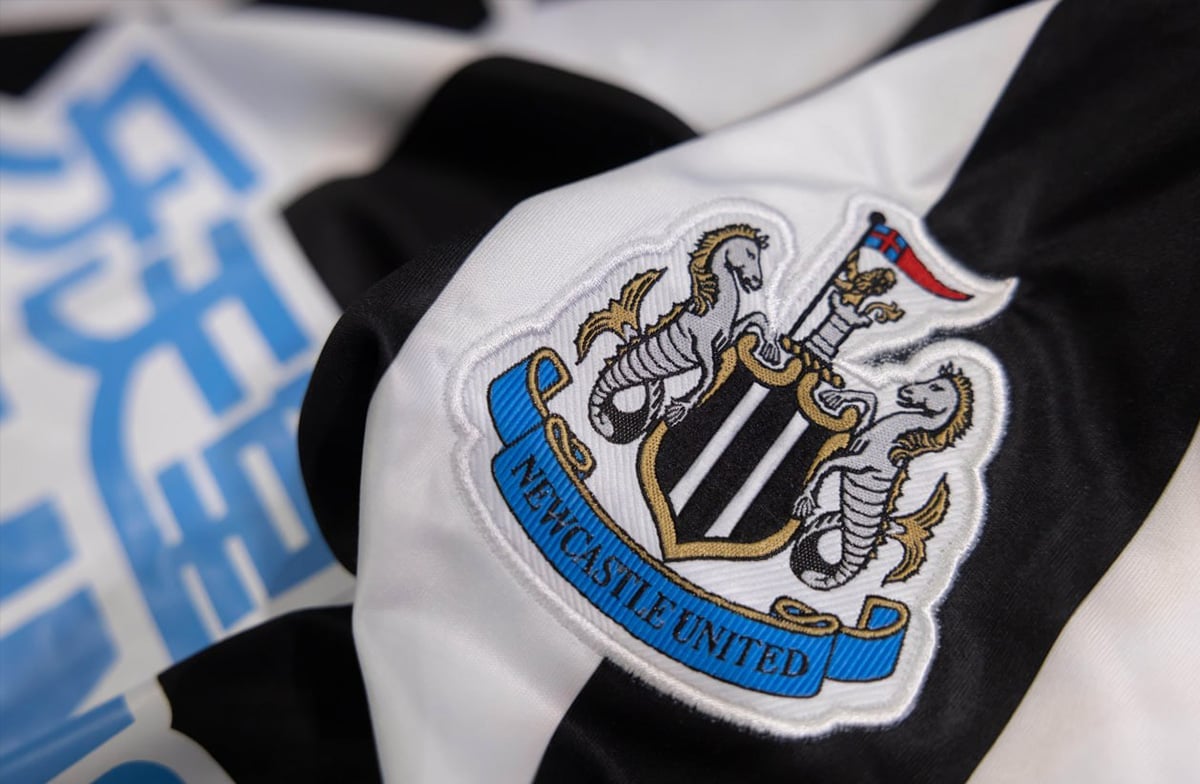
The most recent example involves Newcastle United, which unveiled its collaboration with 8Xbet in the final days of February, designating the platform as its official Asian betting partner.
This announcement followed closely behind public statements from Culture Secretary Lisa Nandy, who characterized gambling company sponsorships of major football clubs as inappropriate.
Yet tangible regulatory measures remain absent. Government representatives have indicated a consultation process will commence during spring 2026, followed by a comprehensive report. However, specific dates have not been confirmed.
Financial Incentives Drive Continued Partnerships
Sean Connell, representing The Sponsor—a firm specializing in sports sponsorship analytics—explained the straightforward economics behind these decisions. For clubs not competing at the highest levels, sponsorship revenue represents an essential financial pillar.
In his comments to Gambling Insider, Connell emphasized how this funding directly influences squad investment capacity and competitive performance on the field.
Connell further noted that clubs will maintain these commercial arrangements as long as they operate within legal boundaries. He observed that sponsorship capital continues flowing until regulatory frameworks explicitly prohibit specific categories.
The financial data supports this analysis. AFC Bournemouth, which secured a ninth-place finish in the previous campaign, reportedly receives £6.1 million annually through its BJ88 partnership. This amount exceeds market expectations for a mid-table side by 49%.
An anonymous commercial director disclosed to The Sponsor that the most competitive offer from a non-gambling brand amounted to less than half the proposal from gambling sector sponsors.
Among the Premier League’s 20 teams, 11 presently feature gambling sponsors on their match kits. Five of these betting companies operate without UK regulatory approval.
The league implemented a voluntary agreement in April 2023 to prohibit gambling branding from shirt fronts beginning with the 2026/2027 campaign. Analysis from The Sponsor indicates this prohibition could decrease the commercial value of front-of-shirt placements by as much as 38%.
Regional Targeting Creates Visibility Gap
Certain partnerships remain virtually invisible to British audiences. Research conducted by The Guardian revealed that clubs such as Aston Villa, Chelsea, and Nottingham Forest promoted Asian betting brands through stadium advertising while omitting these relationships from public partnership disclosures.
Chelsea acknowledged its 8Xbet arrangement publicly. However, a separate collaboration with Kaiyun allegedly appeared on the club’s digital platform only when accessed from particular Asian IP locations.
Aston Villa identified Nova88 as its Official Asian Betting Partner in a pre-season communication. Subsequently, all references disappeared from its partnership listings.
This approach enables clubs to contend that these sponsorships serve international markets rather than UK consumers.
Parliamentarians have expressed concern about British residents accessing unlicensed platforms. These worries encompass connections to criminal networks, insufficient responsible gambling safeguards, and the absence of mandatory financial vulnerability assessments.
When the Gambling Commission cautioned clubs in May 2025 that their TGP-connected sponsors could result in legal consequences, the warning produced no visible impact. Everton retained Stake.com’s branding on their kits after the operator’s UK licence termination. Sunderland maintained its W88 relationship.
The Gambling Commission did impose enforcement measures against TGP Europe in the previous year, delivering a £3.3 million penalty that eliminated the white-label operator from the UK marketplace completely.
The government’s planned consultation, combined with the Illegal Gambling Taskforce initiative, signifies a more unified approach to addressing this issue compared to historical efforts.
However, the consultation remains in the pre-launch phase. No legislative proposals have been formally presented. And the Asian betting partner classification continues to exist in a legal grey area. As of March 2026, clubs encounter no statutory obstacles to establishing fresh agreements with unlicensed operators.
