



Key Takeaways
- Norwegian Cruise Line (NCLH) shares climbed 6.2% to finish at $20.13 on Monday, ranking among the S&P 500’s top performers.
- Reports of a five-day postponement of U.S. strikes against Iran combined with diplomatic discussions pushed oil prices down, benefiting cruise operators.
- Rival cruise operators also rallied: Carnival (CCL) advanced 5.5% while Royal Caribbean (RCL) jumped 5.8% on identical catalysts.
- Despite Monday’s gain, NCLH remains down 9.9% for the year and has fallen 18.1% since joint U.S.-Israel military action against Iran commenced February 28.
- The company was already facing headwinds from activist shareholder pressure and a controversial CEO transition in February.
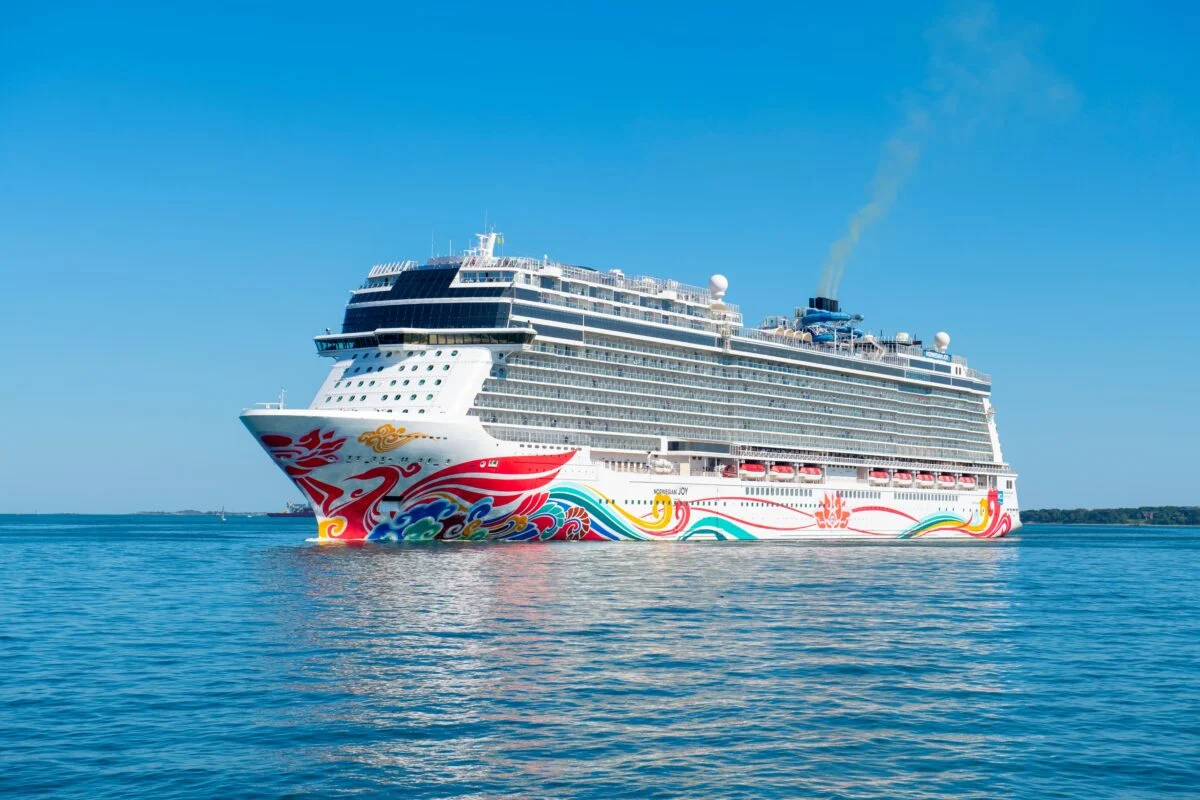
Norwegian Cruise Line (NCLH) experienced a significant rally on Monday, surging 6.2% to close at $20.13, as reports of a temporary halt in U.S.-Iran tensions triggered a drop in oil prices and sparked renewed optimism among cruise industry investors.
Norwegian Cruise Line Holdings Ltd., NCLH
President Donald Trump announced via social media that he would postpone planned military strikes on Iranian power infrastructure for five days, pointing to “very productive” diplomatic discussions aimed at resolving Middle East tensions comprehensively. Iranian officials subsequently disputed that any negotiations had occurred.
Crude oil prices had spiked beyond $112 per barrel on Sunday following Trump’s threat to “obliterate” Iran’s electrical grid unless Tehran reopened the Strait of Hormuz within 48 hours. By Monday afternoon, U.S. gasoline prices reached $3.95 per gallon, representing a $1.01 increase from the previous month.
While the S&P 500 posted a modest 1.2% gain for the session, cruise stocks significantly outperformed the broader market. Carnival (CCL) finished 5.5% higher at $25.45, and Royal Caribbean (RCL) advanced 5.8% to $278.96.
Norwegian’s shares now trade at $20.13, substantially below the 52-week peak of $27.18 and down 18.1% since the joint U.S.-Israel military operation against Iran launched on February 28.
Fuel Expense Exposure: Different Protection Strategies
Fuel represents a major operational expense for cruise operators, and industry players have adopted varying hedging strategies. Carnival has completely avoided fuel hedging, instead relying on operational efficiency as its risk mitigation approach—leaving the company fully exposed to oil price fluctuations.
According to Gene Sloan of The Points Guy, Carnival’s annual net income decreases by approximately $150 million for every 10% increase in fuel costs.
Royal Caribbean has implemented more comprehensive protection, hedging substantial portions of its 2026 fuel requirements at favorable prices. The company has also refused to implement fuel surcharges for customers, a policy it maintained even during the 2022 oil price surge.
Norwegian falls between these two approaches, though the company faces unique challenges extending beyond fuel price volatility.
Norwegian’s Challenges Extend Beyond Geopolitical Events
Prior to the Middle East crisis escalation, Norwegian was already navigating significant internal challenges. The company installed a new CEO in February, naming John W. Chidsey—previously at Subway Restaurants—a decision that drew sharp criticism from activist investor Elliott Investment Management, which questioned his lack of cruise industry background.
Elliott, which revealed its stake in the company last month, characterized Norwegian as a “clear industry laggard” that had deteriorated from a “best-in-class cruise operator” following its IPO. The investment firm pointed to “inconsistent strategy, weak execution, inaccurate guidance and poor cost discipline.”
Elliott indicated that with proper strategic execution, the stock could reach $56 per share—representing approximately 159% upside from current trading levels.
The explanation for Norwegian’s outperformance relative to competitors on Monday, according to analyst Melissa Newman of the University of Cincinnati, is straightforward: it had declined more severely. “Norwegian was already in trouble before the war even started,” she explained to Barron’s.
Regarding consumer demand, cruise operators continue reporting robust advance bookings and premium pricing levels. Previously confirmed reservations remain largely intact. The weakness appears in new booking activity, as consumers exercise caution with discretionary purchases while monitoring geopolitical developments and rising fuel costs.
Multiple cruise operators have already withdrawn sailings from the Persian Gulf region. MSC Cruises eliminated its entire remaining Dubai winter season. The temporary Strait of Hormuz closure also left numerous vessels from various cruise lines temporarily stranded.
Carnival’s earnings announcement on Friday will provide the industry’s first comprehensive assessment of how the conflict is impacting booking trends across the sector.
