



Key Takeaways
- Recent forecasts show recession probability at 30% (Goldman Sachs) and 49% (Moody’s) over the next year
- Buffett’s contrarian principle: embrace fear in markets when everyone else is chasing gains
- His 2008 Goldman Sachs investment of $5 billion generated over $3 billion in returns
- Berkshire Hathaway (BRK.A) (BRK.B) has achieved 19.9% annual compounded growth since 1965—nearly twice the S&P 500’s performance
- Strategic cash reserves serve as Buffett’s “financial ammunition” for crisis opportunities
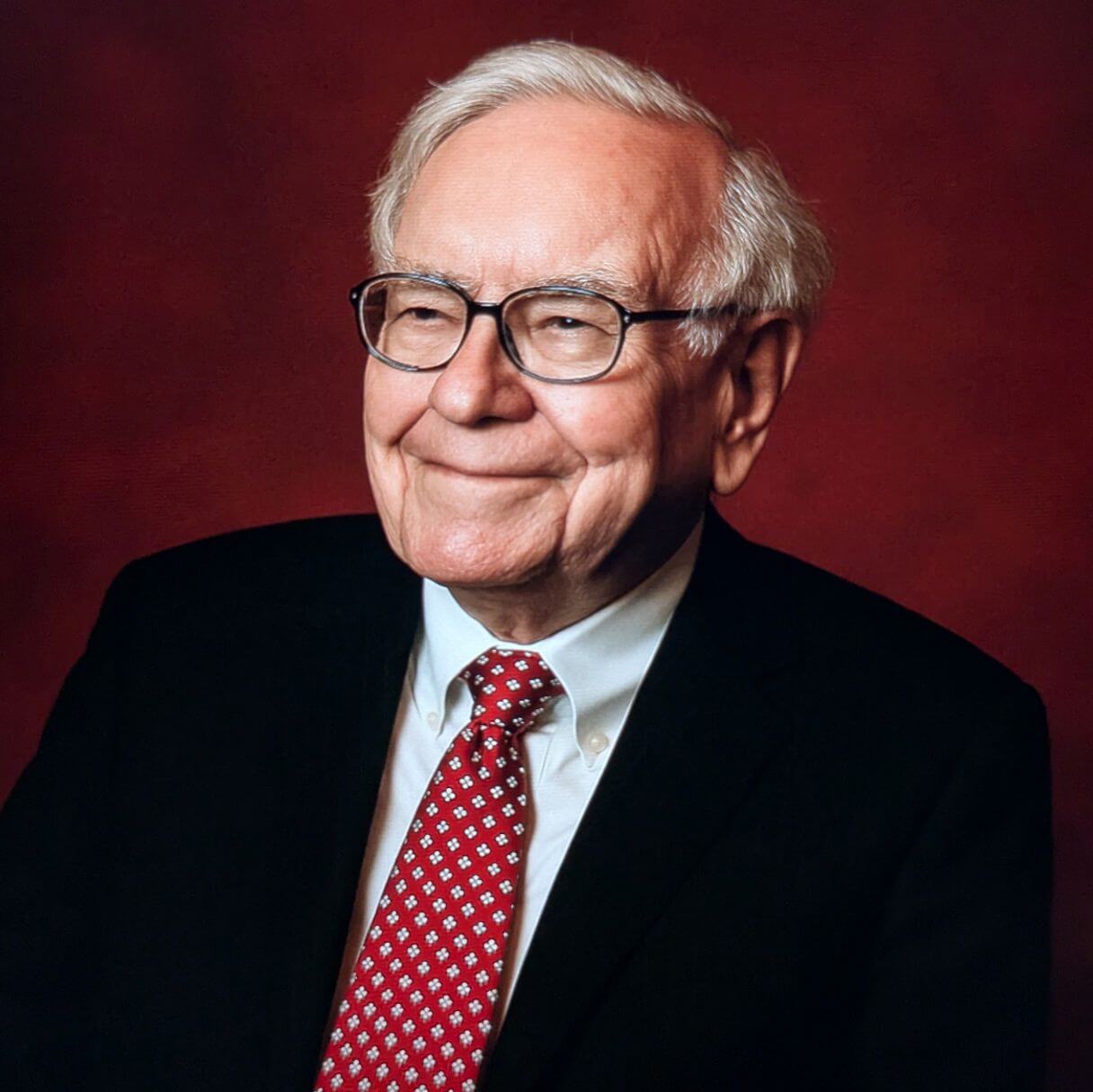
Warren Buffett’s investment career spans multiple economic crises, yet his fundamental approach remains remarkably consistent: stay calm during turbulence and acquire assets when others are fleeing.
As recession concerns escalate in 2026, investors are revisiting the legendary investor’s time-tested methodology.
Goldman Sachs has adjusted its U.S. recession forecast upward to 30% from 25%. Meanwhile, Moody’s estimates a 49% likelihood within the coming twelve months.
During the 2008 financial meltdown, Buffett penned a New York Times piece directly addressing panicked investors: “Be fearful when others are greedy, and be greedy when others are fearful.”
His thesis was straightforward: market pessimism creates opportunities for disciplined investors to acquire valuable companies at discounted valuations.
Capital Deployment During Market Turbulence
Rather than withdrawing when the 2008 crisis intensified, Buffett doubled down. His $5 billion investment in Goldman Sachs secured preferred shares yielding 10% annually. Berkshire Hathaway ultimately walked away with profits exceeding $3 billion from that single transaction.
A similar pattern emerged in 1973 when he acquired Washington Post shares at approximately 25% of his calculated intrinsic value. His initial $10.6 million stake mushroomed to over $200 million by 1985—delivering returns approaching 1,900%.
From 1965 through today, Berkshire Hathaway stock has delivered annualized returns of 19.9%. This performance nearly doubles the S&P 500’s results across the identical timeframe.
Buffett’s methodology isn’t complex. He evaluates whether a company’s underlying business quality has deteriorated, independent of stock price movements. Market volatility doesn’t reduce Coca-Cola consumption or diminish American Express card usage.
His Coca-Cola position dates back 36 years, while his American Express holdings extend to the 1960s.
Strategic Cash Positioning
A frequently underappreciated element of Buffett’s approach involves his cash management. Rather than viewing cash as unproductive, he characterizes it as “financial ammunition.”
Berkshire Hathaway consistently maintains cash reserves exceeding $20 billion, positioning Buffett to capitalize swiftly when opportunities emerge during market dislocations.
Following his aggressive capital deployment during the financial crisis, Buffett committed in 2010 to maintaining minimum cash holdings of $10 billion permanently.
Currently, Buffett commands record cash levels heading into the mid-2020s.
For retail investors, the Vanguard S&P 500 ETF illustrates market volatility’s impact. Shares trading around $359 five years ago now exceed $600. A recessionary period could compress valuations, establishing more attractive entry points for new capital.
Buffett explicitly advises against waiting for recessions before investing. He emphasizes that remaining sidelined sacrifices time—among investing’s most powerful advantages.
His message is direct: when valuations decline, resist the urge to retreat. Those moments demand heightened attention, not avoidance.
