



TLDR
- Since Saturday’s outbreak of U.S.-Iran hostilities, nine commercial vessels have been struck in Persian Gulf waters
- One Bahamas-registered oil tanker struck near Iraqi waters; another vessel off Kuwaiti coast flooding and spilling crude
- Approximately 200 commercial ships anchored in open Gulf waters with no movement; additional hundreds blocked outside Hormuz Strait
- Crude prices jumped 15% since conflict began; European natural gas prices surged ~50% this week
- Lloyd’s insurance market confirms Hormuz transit coverage remains available despite higher premium rates
The escalating military confrontation between the United States and Iran has entered its fifth day, creating severe disruptions to energy transportation throughout the Middle East region. Since hostilities commenced Saturday, nine commercial vessels operating in Gulf waters have sustained attacks.
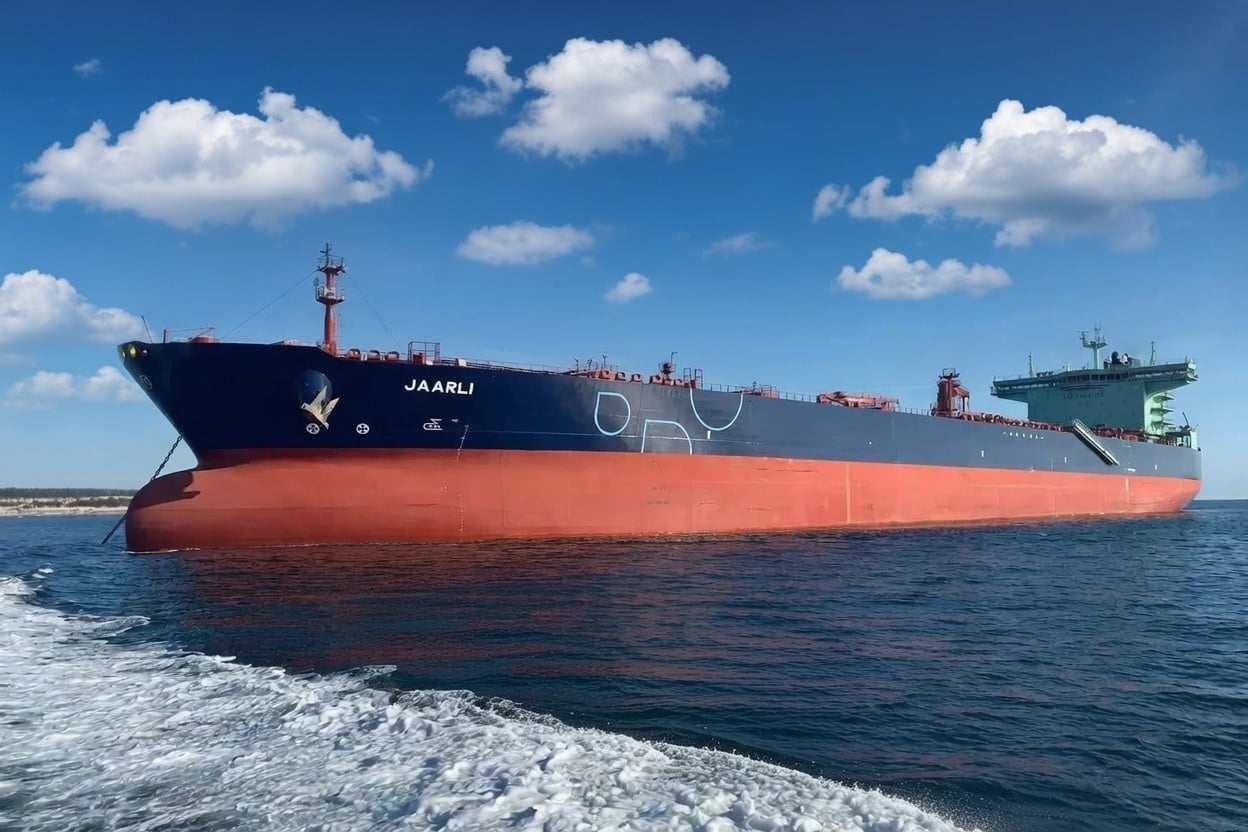
Thursday witnessed an assault on a Bahamas-registered crude carrier near Iraq’s Khor al Zubair terminal, targeted by an Iranian explosive-laden remote vessel. Separately, another tanker positioned off Kuwait’s coast began flooding and hemorrhaging oil following a significant explosion that damaged its port flank.
Iran simultaneously executed a ballistic missile barrage targeting Israel Thursday while deploying unmanned aerial vehicles into Azerbaijani territory, wounding four civilians. The military engagement now threatens to expand beyond Gulf boundaries.
Nearly 200 commercial vessels—comprising crude tankers, liquefied natural gas transporters, and container ships—remain motionless at anchorage throughout the Gulf near principal producing nations. Several hundred additional ships are blocked beyond the Strait of Hormuz entrance, prevented from accessing regional terminals.
The Strait of Hormuz facilitates approximately 20% of global petroleum and LNG transportation. Its practical shutdown has already generated quantifiable consequences across international energy markets.
BP executed an evacuation of international personnel from Iraq’s Rumaila production field following two unidentified drone incursions onto the facility. Iraqi authorities have reduced petroleum production by approximately 1.5 million barrels daily after exhausting storage infrastructure and losing tanker loading capabilities.
Kuwaiti refining operations saw one facility completely suspend operations while a second decreased processing volumes. Bahrain similarly reduced output at a third regional refinery.
Insurance Market Responds
London’s maritime insurance sector confirms availability of coverage for Strait of Hormuz passage, albeit at substantially increased premium levels. Broker Arthur J. Gallagher announced insurance products remain accessible for vessels currently positioned within Persian Gulf waters and those seeking entry or departure through the strategic waterway.
Insurance brokers Marsh and Aon have reportedly initiated discussions with U.S. governmental authorities following President Trump’s commitment to facilitate tanker insurance programs. Lloyd’s of London acknowledged active collaboration with the U.S. International Development Finance Corporation regarding these arrangements.
Notwithstanding insurance availability, the overwhelming majority of vessel operators are declining to undertake Gulf transits. Industry analysts indicate crew safety concerns, rather than insurance expense, represent the fundamental obstacle to resumed operations.
Energy Prices Climb Sharply
Oil prices advanced approximately 2% Thursday, accumulating roughly 15% gains since Saturday’s conflict initiation. U.S. benchmark crude registered about 3% appreciation Thursday alone.
European natural gas benchmark pricing increased 2% Thursday and has surged approximately 50% across the week. Qatar, responsible for 20% of worldwide LNG supply, suspended gas production operations earlier this week as the conflict intensified.
Russian President Vladimir Putin indicated Russia could immediately terminate European gas deliveries, referencing the energy price volatility generated by the Iranian crisis situation.
The United States and Australia possess minimal excess production capacity to compensate for Qatari LNG supply interruptions, according to industry specialists and Reuters analysis.
