




Key Highlights
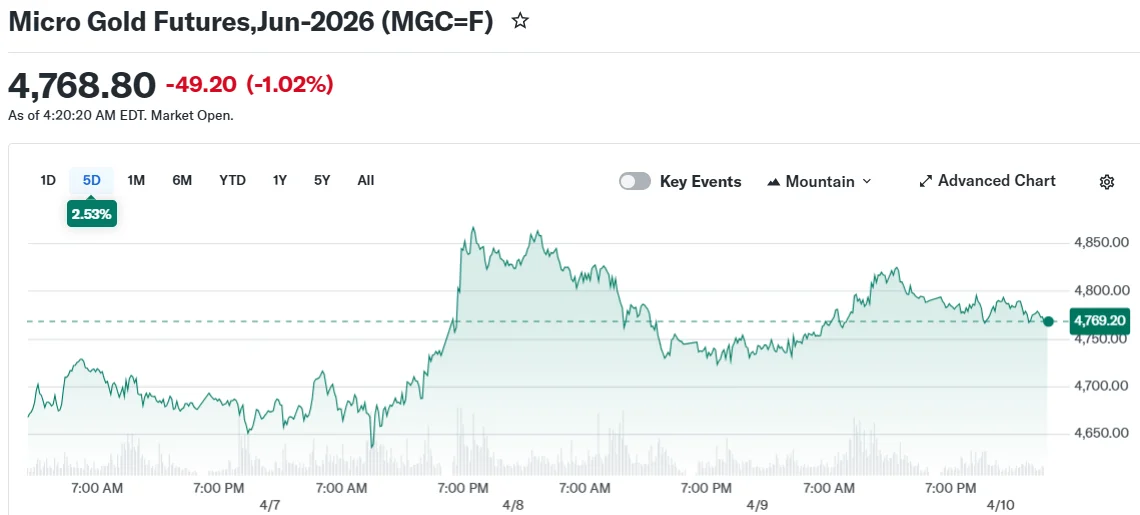
- The yellow metal maintained stability around $4,765/oz, positioning for a third consecutive weekly advance of approximately 2%
- Uncertain US-Iran ceasefire conditions and diplomatic discussions in Islamabad continue to influence market sentiment
- Global central banks, notably Poland and China, maintain consistent gold accumulation strategies
- The greenback’s weekly decline enhanced gold’s affordability for international purchasers, bolstering valuations
- Forthcoming Friday US CPI figures may influence Federal Reserve policy outlook
The precious metal maintained its position around $4,765 per ounce on Friday, setting up for its third consecutive weekly advance. This approximately 2% weekly climb unfolds as market participants monitor the delicate ceasefire arrangement between Washington and Tehran.
The truce, declared at the week’s outset, initially provided market reassurance. However, complications surfaced rapidly. Lebanese territory witnessed ongoing military operations, while Tehran disputed reports that its representatives had reached Islamabad for scheduled weekend negotiations with American officials.
President Trump expressed cautious optimism regarding potential peace arrangements. Simultaneously, he issued warnings to Iran concerning passage fees being imposed on vessels traversing the Strait of Hormuz, a critical artery for international petroleum transport that remains predominantly restricted.
Notwithstanding the weekly advance, the precious metal has surrendered approximately 10% of its value since hostilities commenced in late February. Certain market participants liquidated gold holdings to offset portfolio losses elsewhere, diminishing its traditional safe-haven characteristics.
Oil markets were trending toward their most substantial weekly decline since June. Equity markets rebounded throughout the week, while the US Dollar Index retreated more than 1%, improving gold’s attractiveness for non-American purchasers.
Global Reserve Managers Maintain Accumulation
Continued purchasing by monetary authorities worldwide has provided consistent underlying support for bullion. Polish officials confirmed their commitment to achieving a 700-ton gold reserve objective. Chinese authorities supplemented their holdings by approximately 5 tons during March, representing their most significant monthly acquisition in more than twelve months.
ANZ Banking Group projects central bank acquisitions will total roughly 850 tons throughout 2026, with recent price corrections potentially stimulating additional buying activity.
Elevated oil prices stemming from the regional conflict have amplified inflation forecasts. This development has prompted market expectations that monetary authorities might postpone interest rate reductions or potentially implement increases, creating headwinds for gold as the non-yielding asset offers no income stream.
Inflation Report Commands Attention
US consumer expenditure registered minimal growth during February, even preceding the outbreak of hostilities, based on Bureau of Economic Analysis data. The March consumer price index report released Friday was anticipated to reveal the most significant monthly advance since June 2022.
An elevated inflation reading could strengthen rate increase expectations, intensifying pressure on gold valuations. Conversely, an extended conflict might decelerate economic expansion and ultimately necessitate rate reductions, which would favor the metal.
Spot gold traded at $4,766.30 per ounce during Friday afternoon Singapore trading hours. Silver advanced 0.9% to $76.03 per ounce. Platinum declined 1.5%, while palladium posted gains. Copper futures registered modest increases across both the London Metal Exchange and American markets.
Tehran’s rejection of claims that diplomatic discussions were proceeding in Islamabad introduced additional ambiguity to the weekend outlook.
