



Key Takeaways
- National average gasoline price climbed to $3.32 per gallon, matching the peak from September 2024
- Gasoline futures posted approximately 27% weekly gains, marking the steepest climb since March 2022
- Supply disruptions through the Strait of Hormuz are constraining crude availability for Asian markets
- Chinese authorities have directed major refineries to suspend diesel and gasoline exports
- West Texas Intermediate crude surged 24% to $83.27/barrel; Brent advanced over 18% to $86.67/barrel
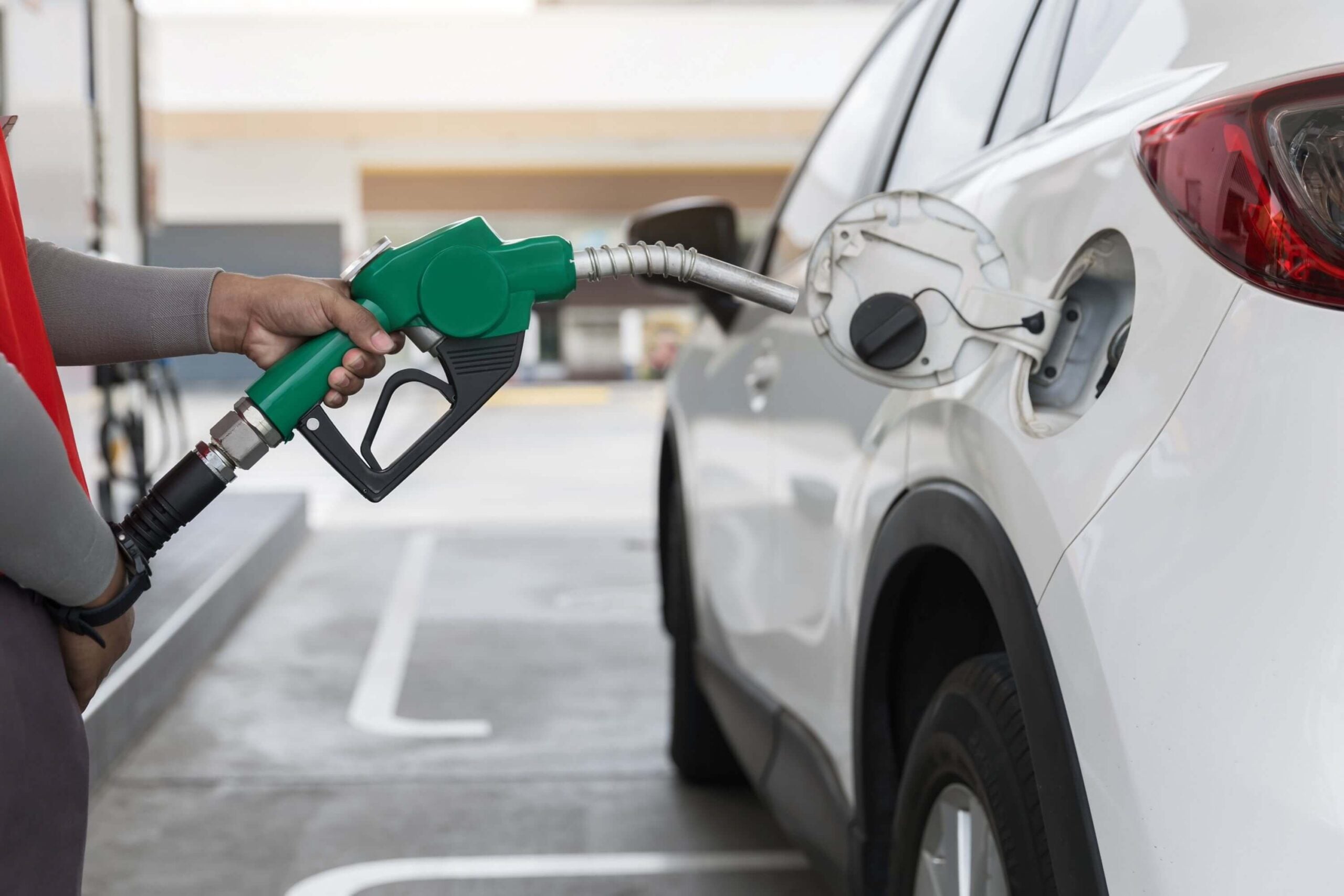
American motorists are facing the steepest gasoline prices in close to 10 months as turmoil across the Middle East creates shockwaves throughout international energy sectors.
Data from the American Automobile Association shows the nationwide average reached $3.32 per gallon on Thursday. This represents the peak price point recorded since September 2024.
Gasoline futures experienced a dramatic rally of approximately 27% during the week. This positions the contract for its most substantial weekly advance since March 2022.
Addressing questions regarding escalating fuel costs, President Donald Trump expressed confidence the situation would resolve. “I don’t have any concern about it,” Trump stated to Reuters. “They’ll drop very rapidly when this is over.”
Trump has historically cited affordable gasoline as evidence of American energy dominance. The timing of these increases is notable given the approaching 2026 midterm elections.
Crude oil futures jumped 24% across five trading sessions to reach $83.27 per barrel. Brent crude advanced more than 18% to settle at $86.67 per barrel.
Critical Shipping Channel Drives Supply Anxiety
The ongoing hostilities have intensified concerns surrounding the Strait of Hormuz, an essential corridor for international crude oil transportation. Any impediment to this waterway creates ripple effects for refineries across continents.
Refineries throughout Asia are encountering difficulties obtaining crude supplies. Several facilities are evaluating potential reductions to their processing capacity as availability diminishes.
Beijing has ordered its premier refining operations to cease all diesel and gasoline exports. This directive seeks to safeguard domestic fuel reserves while the crisis unfolds.
Qatar’s energy minister, Saad al-Kaabi, cautioned that Gulf region exporters might completely suspend shipments if hostilities persist.
The Trump administration has attempted to alleviate market strain by loosening constraints on India’s acquisition of Russian oil.
Domestic Refiners and Retailers Navigate Volatility
The supply shock arrives during a particularly challenging period for American refineries. The spring season marks the transition from winter-grade to summer-grade gasoline production, which carries higher manufacturing costs. This seasonal adjustment typically elevates prices independent of external market pressures.
Major refining companies such as Marathon Petroleum, Valero Energy, Phillips 66, and HF Sinclair are experiencing the impact of these price fluctuations.
Integrated oil giants Exxon Mobil, Chevron, ConocoPhillips, and Occidental Petroleum maintain significant positions tied to broader crude market movements.
Fuel distribution companies including Murphy USA, Sunoco, Global Partners, and CrossAmerica Partners are similarly influenced.
Elevated gasoline costs can also impact large retail chains that leverage discounted fuel as a customer acquisition strategy. Corporations such as Walmart, Costco, and BJ’s Wholesale Club operate within this category.
According to the most recent Energy Information Administration weekly data, U.S. gasoline inventories declined by 1.7 million barrels. This marked the third consecutive week of inventory reductions, indicating persistent tightening of domestic fuel availability.
