



Key Takeaways
- Marathon 21-hour diplomatic session between U.S. and Iran in Pakistan ends without agreement
- Vice President JD Vance cites Iran’s refusal to abandon nuclear weapons development as critical sticking point
- President Trump directs immediate U.S. Navy blockade of the Strait of Hormuz
- Strategic waterway handles approximately 20% of worldwide oil and LNG transport
- Energy traders anticipate significant price increases when markets resume Monday
Diplomatic efforts between Washington and Tehran came to an abrupt halt on Sunday following extensive negotiations in Islamabad, Pakistan that stretched across 21 hours but ultimately failed to produce a breakthrough on critical issues.
Heading the U.S. negotiating team, Vice President JD Vance indicated that Tehran’s unwillingness to renounce its nuclear weapons ambitions represented an insurmountable obstacle to progress—a position Washington considers non-negotiable.
“Our fundamental requirements have been communicated with absolute clarity, and they have opted against meeting those conditions,” Vance stated to journalists in the Pakistani capital during the early hours of Sunday.
Tehran’s foreign ministry adopted a measured tone, with spokesman Esmail Baghaei characterizing disagreements as expected and emphasizing that “diplomacy never ends,” signaling openness to future engagement.
The negotiating agenda encompassed three primary issues: governance of the Strait of Hormuz, potential ceasefire prolongation, and gradual sanctions reduction. Iranian semi-official outlets characterized American requirements as “excessive.”
Since the commencement of U.S.-Israeli military operations in late February, Iran has effectively halted all maritime movement through the Strait of Hormuz. This critical passage facilitates roughly one-fifth of global oil and liquefied natural gas shipments worldwide.
On Sunday, two unloaded supertankers attempted passage through the strait. Both vessels reversed course precisely as diplomatic discussions concluded.
Presidential Blockade Declaration
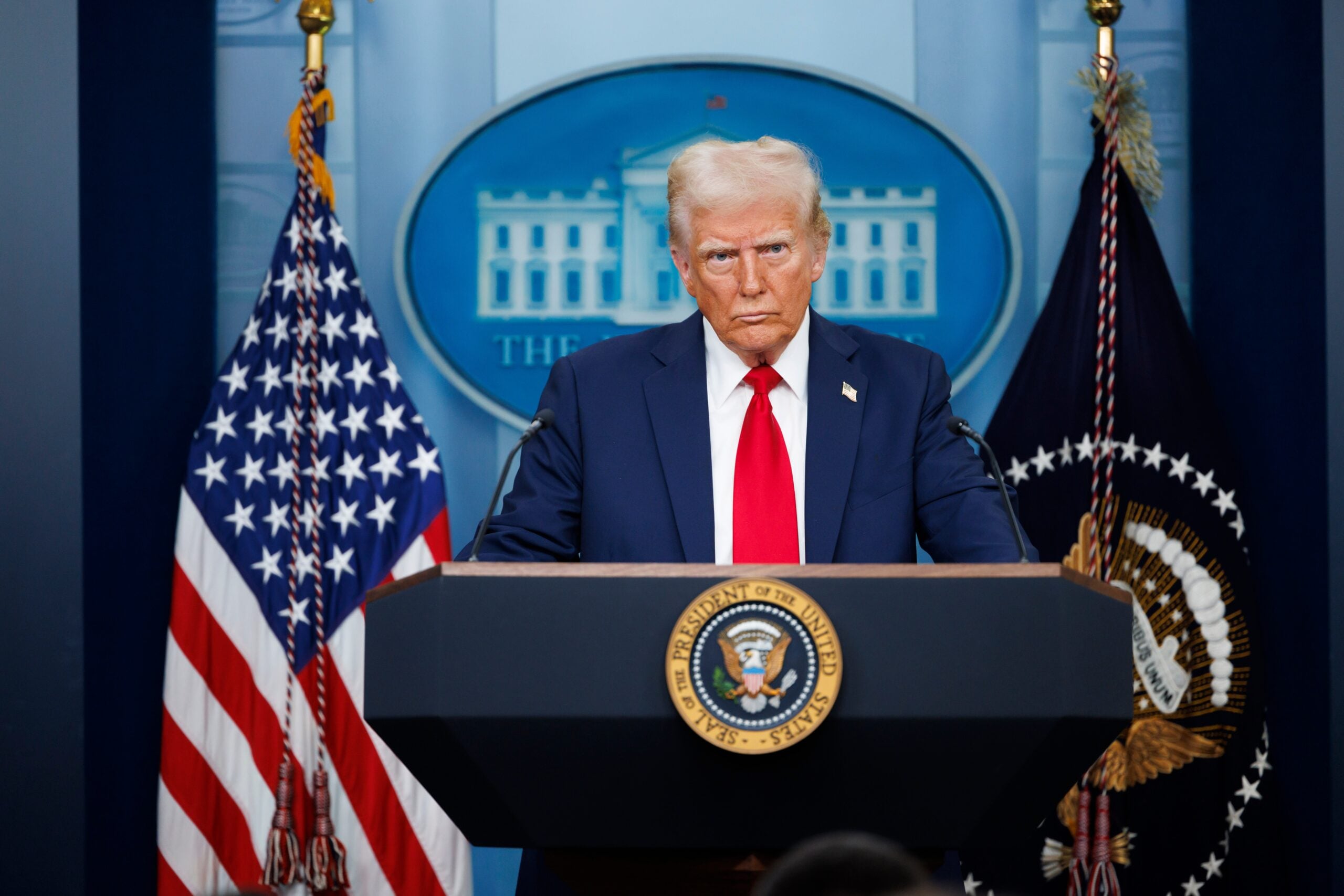
In the aftermath of the failed negotiations, President Trump utilized his Truth Social platform to declare that U.S. Naval forces would commence immediate blockade operations at the Strait of Hormuz.
“Effective immediately, the United States Navy will begin the process of blockading any and all ships trying to enter or leave the Strait of Hormuz,” Trump wrote.
Trump additionally announced Navy interception protocols for any maritime vessel in international waters that had remitted tolls to Iranian authorities. “No one who pays an illegal toll will have safe passage on the high seas,” he declared.
The president characterized the negotiations as having “went well” with “most points were agreed,” while acknowledging the fundamental impasse regarding Iran’s nuclear development program.
Energy Markets Prepare for Volatility
Market observers predict substantial increases in petroleum and natural gas valuations when trading resumes Monday morning. Nick Twidale, chief market analyst at AT Global Markets in Sydney, noted that optimism had been accumulating throughout the previous week in anticipation of diplomatic progress.
“This could set us back to levels that we were trading at prior to the ceasefire announcement,” Twidale said. “I would think we will see oil open higher alongside the dollar.”
The recently established two-week ceasefire, negotiated just days earlier, now faces considerable uncertainty. Pakistan, serving as the neutral host nation, characterized the discussions as “constructive” and pledged continued facilitation of future dialogue.
The ongoing conflict has resulted in over 5,600 fatalities across Iran, Lebanon, and adjacent territories. U.S. Central Command has confirmed thirteen American military casualties.
Israeli Prime Minister Benjamin Netanyahu has advocated for the removal of enriched nuclear materials from Iran regardless of whether diplomatic agreements are reached.
