



TLDR
- Delta upgraded Q1 revenue projections to “high-single-digit” growth from its previous 5%–7% estimate
- The airline maintained Q1 EPS guidance at 50–90 cents per share
- Jet fuel costs have skyrocketed over 50% following U.S. and Israeli military actions against Iran in late February
- DAL shares gained approximately 3.6% during premarket hours Tuesday, following Monday’s 3.5% increase
- Southwest shares have fallen 26% and United 21% since the Iran conflict escalated
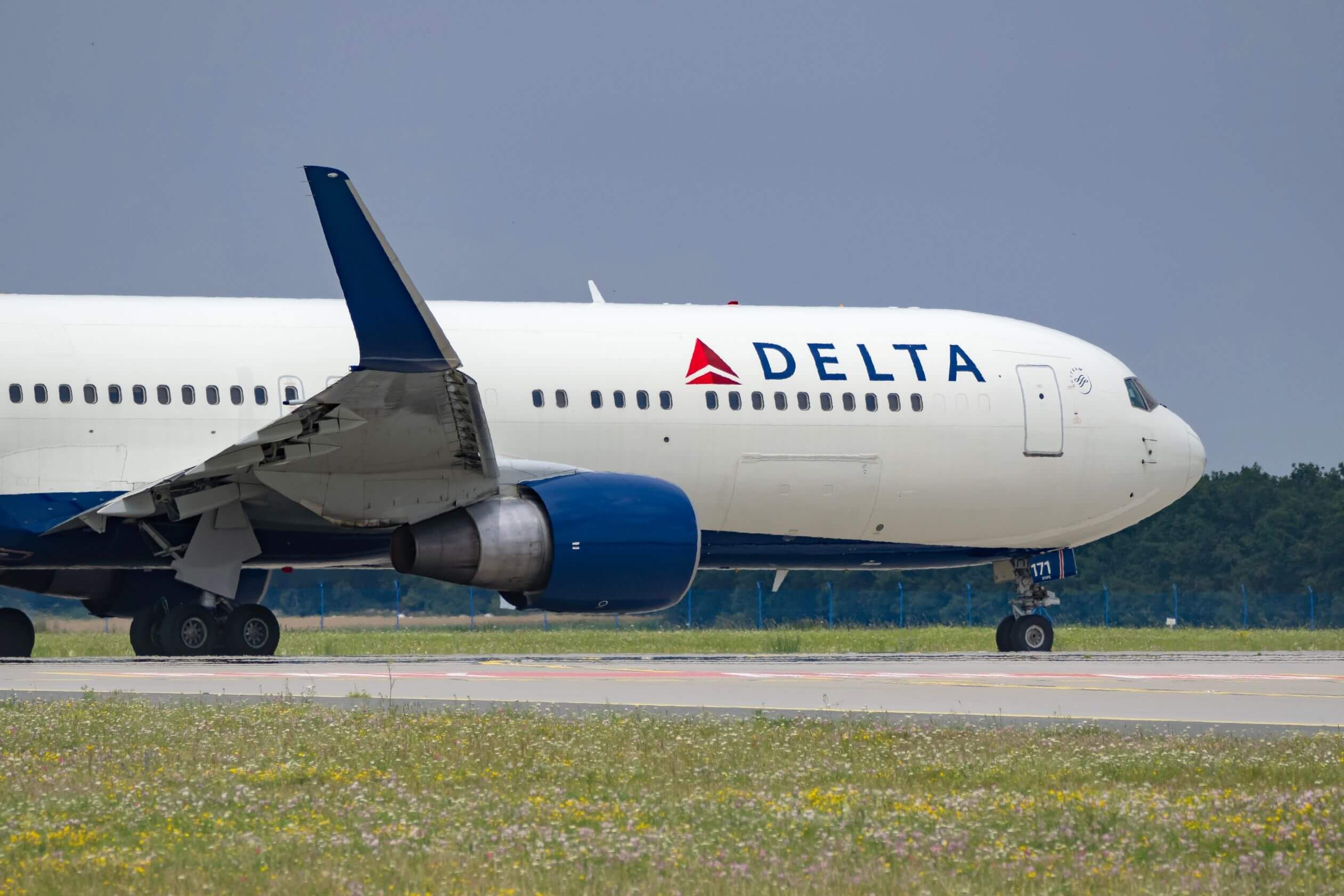
Delta Air Lines upgraded its revenue forecast for the first quarter on Tuesday, defying headwinds from surging jet fuel costs triggered by escalating Middle East tensions. Shares rallied 3.6% in premarket activity.
The airline now anticipates first-quarter revenue will expand at a high-single-digit percentage rate. This represents an improvement from the company’s January projection of 5% to 7% growth.
Delta maintained its adjusted earnings per share forecast at 50 to 90 cents for the current quarter. The airline noted that both consumer and corporate travel demand patterns have strengthened heading into March.
The carrier attributed the revenue upgrade to “demand momentum.” Delta emphasized it remains strategically positioned to weather the current operating environment and stands ready to modify capacity plans should fuel prices remain elevated.
Jet fuel costs have exploded by more than 50% since coordinated U.S. and Israeli strikes against Iran in late February. Prices currently hover between $150 and $200 per barrel, a significant jump from roughly $100 before hostilities began.
Fuel expenses typically account for 20% to 25% of airline operating budgets, ranking as the second-largest cost item behind labor. The dramatic price increase has sent shockwaves through the aviation industry.
Airline equities have faced substantial pressure since the conflict erupted. Southwest has declined 26%, United has fallen 21%, American has shed 20%, and Delta itself is down 14% — despite Monday’s rally as crude oil prices retreated.
Southwest’s performance makes it the S&P 500’s second-worst performer during this timeframe, trailing only Ulta Beauty.
JPMorgan Conference in Focus
The four largest U.S. carriers — Delta, United, Southwest, and American — are all scheduled to present at the JPMorgan Industrials Conference in Washington on Tuesday. Several carriers may provide updated first-quarter or full-year guidance.
Delta submitted its presentation materials early, before the conference began. This strategic timing gave investors an opportunity to review the data ahead of market opening.
United Airlines CEO Scott Kirby indicated last week he anticipates a temporary spike in ticket prices before conditions stabilize, according to The Wall Street Journal. He also revealed last Monday represented United’s strongest booking day on record.
German airline Lufthansa has independently reported a significant increase in long-haul travel demand since the conflict intensified, suggesting robust travel appetite persists despite geopolitical uncertainties.
Can Airlines Pass on Fuel Costs?
The critical question facing investors is whether carriers can successfully offset elevated fuel expenses through higher ticket prices. UBS analyst Atul Maheswari noted in a Sunday research report that markets will closely monitor airline management commentary regarding the feasibility of passing fuel cost increases to customers.
For ticket price increases to remain sustainable, travel demand must stay resilient. Current demand indicators appear reasonably encouraging.
One potential risk looms over the industry. Airlines may choose to withdraw full-year guidance, similar to their response in April last year following President Trump’s comprehensive tariff announcement.
Delta maintains approximately two weeks of fuel inventory, providing a modest short-term cushion. The adequacy of this buffer ultimately depends on the duration of elevated price levels.
