



Key Points
- DraftKings faces allegations of unauthorized use of NCAA trademarks including “March Madness,” “Final Four,” and “Sweet Sixteen” on its betting platform
- An Indiana federal judge rejected the NCAA’s preliminary injunction request while indicating the organization could succeed at trial
- The NCAA requests an accelerated schedule with a February 2027 trial date ahead of tournament season
- DraftKings argues the suggested timeline is impractical and insufficient for proper discovery procedures
- The NCAA counters that DraftKings is attempting to delay proceedings, with a pretrial hearing scheduled for June 1
A trademark dispute between the NCAA and DraftKings over collegiate basketball branding has escalated into a scheduling battle in federal court, with the two parties disagreeing on how quickly the case should proceed.
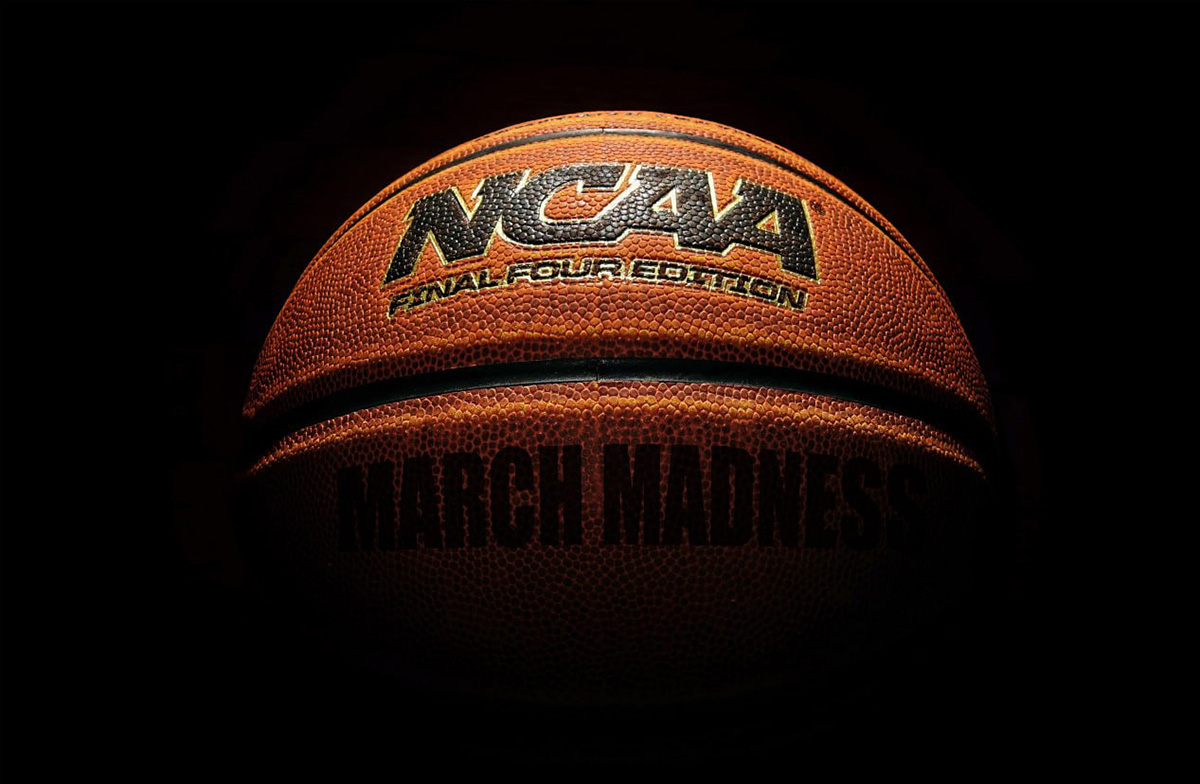
The NCAA initiated legal action against DraftKings on March 20, claiming the sports betting company improperly utilized its trademarked terms associated with the Division I men’s and women’s basketball championships. At issue are proprietary marks such as March Madness, Final Four, and multiple versions of “Sweet Sixteen.”
While a U.S. District Court judge in the Southern District of Indiana dismissed the NCAA’s preliminary injunction motion, the ruling suggested the organization might ultimately succeed when the case reaches trial.
NCAA Claims Ongoing Trademark Infringement Requires Swift Action
The court initially scheduled a pretrial conference for June 1. On April 15, attorneys representing the NCAA submitted a motion requesting an expedited schedule culminating in a February 2027 trial.
According to the NCAA’s filing, allowing the case to proceed on a standard timeline would enable DraftKings to continue capitalizing on the contested trademarks. The organization contends that DraftKings’ activities directly correlate with the yearly rhythm of premier college basketball competitions.
“DraftKings is likely to continue to exploit that cycle, causing ongoing harm to the NCAA,” the motion stated.
The NCAA stressed that user engagement reaches its zenith during the March Madness period. The organization maintains that postponing trial proceedings would prevent it from safeguarding its intellectual property before the upcoming tournament cycle.
Interestingly, the Kentucky High School Athletic Association owns the trademark rights to Sweet Sixteen and Sweet 16, originally secured for its state-level basketball competitions. The NCAA operates under a licensing arrangement with the KHSAA and has separately trademarked NCAA Sweet Sixteen and NCAA Sweet 16.
DraftKings Challenges Feasibility of Proposed Schedule
In a response filed last Thursday, DraftKings vigorously contested the suggested timetable. The company’s legal team characterized the NCAA’s proposal as “unrealistic.”
DraftKings contended that even if a 10-day trial concluded favorably for the NCAA, substantial additional proceedings would be necessary to reach a final resolution. Consequently, a February trial date would not achieve the expeditious conclusion the NCAA desires.
The sportsbook operator also challenged the November 13 discovery deadline proposed by the NCAA, arguing that the evidence-gathering phase requires additional time. Discovery encompasses the pre-trial process during which both parties share relevant documentation and information.
DraftKings noted that discovery must examine the extensive business relationships connecting the NCAA, its affiliated institutions, athletic conferences, and the gambling sector. This includes analyzing the NCAA’s agreement with Genius Sports and direct partnerships with various sportsbooks.
The NCAA submitted a reply brief on Monday, accusing DraftKings of employing delay tactics. The organization reiterated its position favoring an accelerated schedule.
The NCAA requested the court to minimally advance the initial pretrial conference to the earliest available slot. The organization seeks prompt clarification regarding the litigation timeline for both parties.
The pretrial conference currently remains on the calendar for June 1.
