



Key Highlights
- President Trump announced a two-week ceasefire agreement between the U.S. and Iran late Tuesday evening
- Brent crude oil plummeted by as much as 16%, trading near $94.30 per barrel
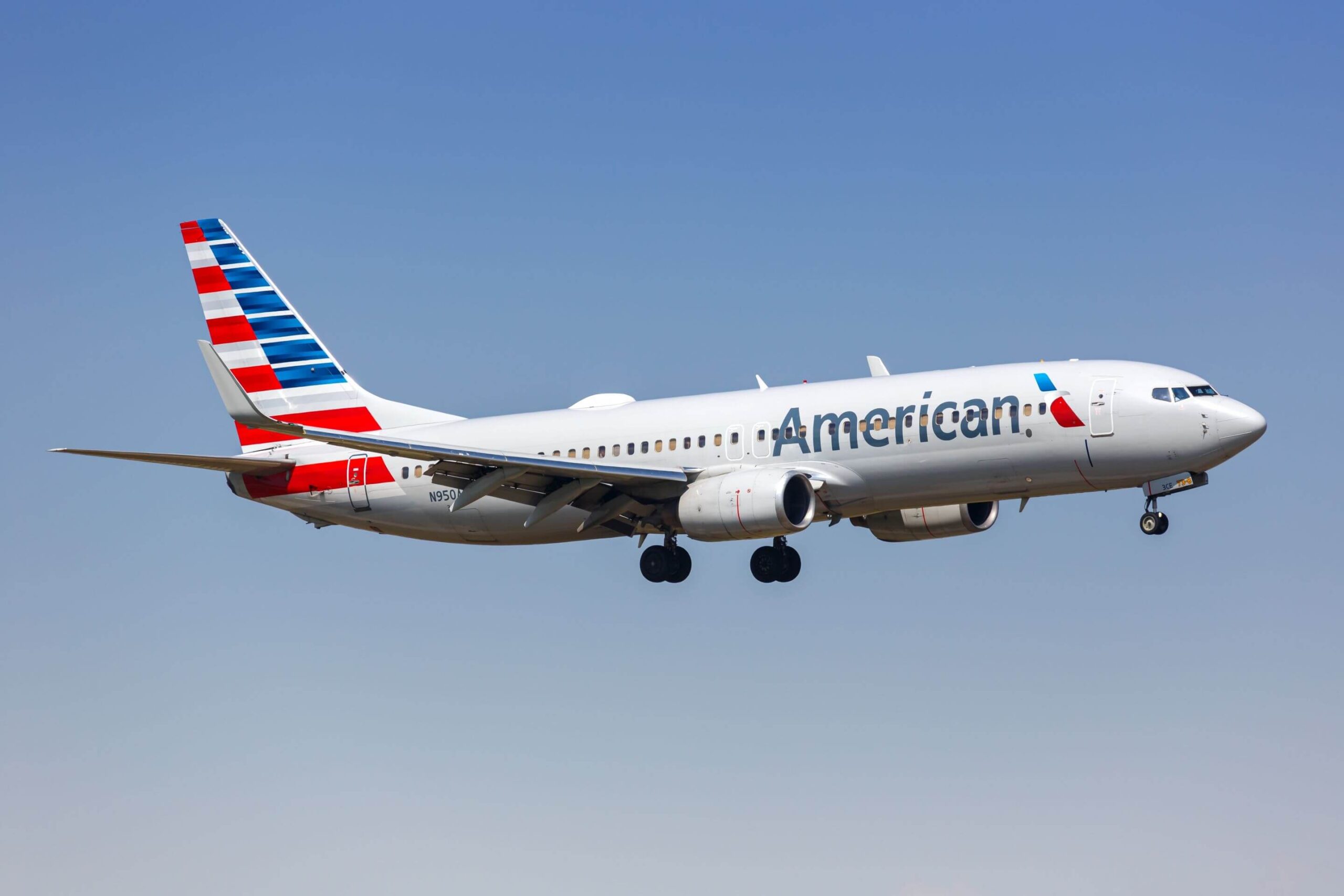
- Major carriers including American Airlines, United, Delta, Southwest, and JetBlue surged 4–9% during premarket hours
- The Strait of Hormuz, a vital passage for 20% of the world’s fuel supply, is expected to reopen
- Airlines faced projections of an additional $11 billion in jet fuel expenses for 2025 before the ceasefire
Shares of major airline carriers experienced significant premarket gains on Wednesday morning following the announcement of a two-week ceasefire between the United States and Iran, alleviating concerns about potential oil supply chain disruptions.
The agreement was unveiled by President Donald Trump at 6:32 p.m. Eastern Time on Tuesday evening. Under the terms, the United States committed to halting attacks on Iranian infrastructure for a 14-day period, contingent upon Iran’s commitment to fully and immediately reopen the strategically crucial Strait of Hormuz.
In a post on Truth Social, Trump revealed that he had received a comprehensive 10-point proposal from Iranian officials, characterizing it as a “workable basis” for further diplomatic negotiations. He noted that the parties had reached agreement on “almost all” disputed issues.
Iran’s Foreign Affairs Minister Seyed Abbas Araghchi verified the agreement via X (formerly Twitter), stating that Iran would halt “defensive operations” along the strait once attacks against Iranian territory ceased.
The Strait of Hormuz represents a critical global oil transit point. Approximately 20% of worldwide fuel supplies flow through this narrow waterway, meaning any blockage directly impacts airline operational expenses.
Brent crude oil experienced a dramatic decline of up to 16% in response to the ceasefire news, stabilizing around $94.30 per barrel. This substantial price reduction offered immediate financial relief to airlines, which have struggled with elevated fuel expenses since mid-February.
Aviation Industry Confronted Mounting Fuel Expenses
U.S. carriers were facing projections of an additional $11 billion in jet fuel expenditures for 2025 resulting from the oil price surge. United Airlines CEO Scott Kirby had previously cautioned that escalating fuel costs might have a “meaningful” effect on the company’s first-quarter financial performance.
United Airlines Holdings, Inc., UAL
Delta Air Lines had implemented its first checked baggage fee increase in two years as a measure to counterbalance rising fuel costs. United Airlines implemented comparable fee adjustments during the same timeframe.
Stock Performance Across the Aviation Sector
American Airlines experienced a 6.2% increase during premarket trading. United Airlines climbed 8.7%, while Southwest Airlines posted gains of 8.1%. Delta Air Lines advanced 6.8%, and JetBlue Airways increased 5.9%.
The U.S. Global Jets ETF advanced 7.7%, demonstrating the widespread enthusiasm throughout the aviation sector.
European airline operators similarly experienced strong gains. Lufthansa, Wizz Air, Air France-KLM, and easyJet each recorded increases exceeding 10% during morning European trading sessions.
Aviation stocks had experienced downward pressure beginning in mid-February as escalating Middle Eastern tensions drove oil prices upward and generated concerns regarding profit margins industry-wide.
Delta Air Lines was scheduled to release its first-quarter earnings results later Wednesday, providing additional focus for investors monitoring the sector’s performance.
