



TLDR
- Delta Air Lines (DAL) shares increased 2.1%, starting Thursday’s session at $67.91
- Partnership announced with Amazon to equip 500 planes with Leo satellite internet, deployment begins 2028
- Susquehanna lowered target to $81 from $85, TD Cowen adjusted to $76 from $77; both maintain Buy recommendations
- Analyst consensus shows “Moderate Buy” with $78.84 average target price
- Company executives offloaded 620,550 shares totaling approximately $44.1M in the last three months
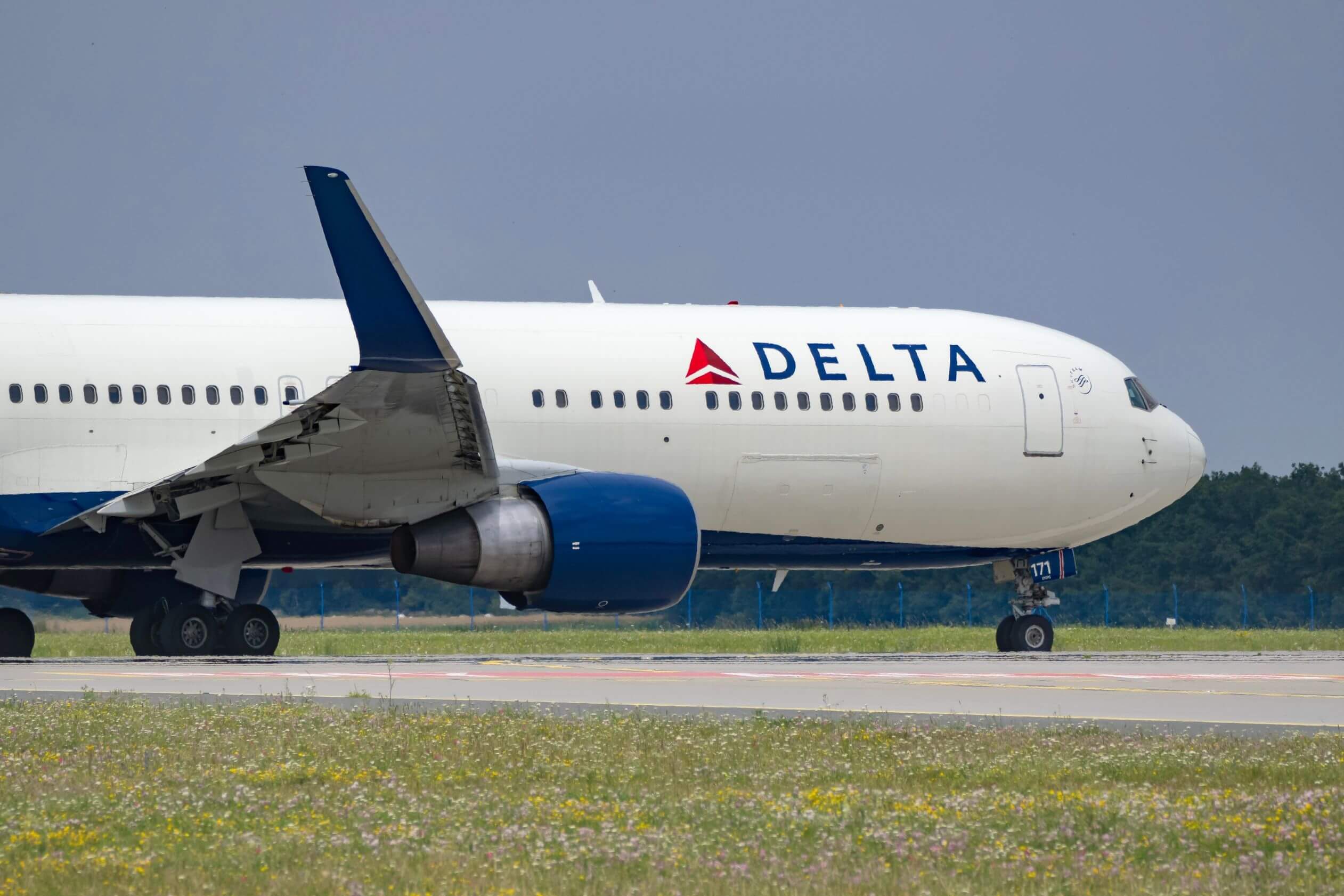
Shares of Delta Air Lines posted a 2.1% gain Thursday, shaking off recent analyst downgrades as investors focused on a major technology partnership announcement with Amazon.
TD Cowen analysts revised their price objective on DAL to $76 from a previous $77 while retaining their Buy recommendation. This adjusted target suggests approximately 11.9% upside potential from Thursday’s opening price. Meanwhile, Susquehanna lowered its projection to $81 from $85, maintaining a positive stance that indicates roughly 19% upside opportunity.
These weren’t isolated adjustments in the analyst community. Citigroup reduced its target from $87 down to $77, Wells Fargo moved from $87 to $75, and Rothschild & Co Redburn decreased its forecast from $72 to $70. Providing a counterbalance, Jefferies increased its target to $78 from $72, while Goldman Sachs elevated its projection from $77 to $80 alongside a Buy rating.
Currently, the airline stock holds 22 Buy ratings from analysts, along with one Strong Buy, one Hold, and one Sell recommendation. The consensus price target stands at $78.84.
Jet fuel pricing concerns continue influencing analyst models. Multiple firms have made slight downward revisions to their valuations as elevated fuel cost assumptions factor into their calculations. One valuation model adjusted from approximately $80.57 down to $79.89 — a modest decline that underscores the stock’s sensitivity to energy expenses.
Amazon Partnership
The primary positive development this week came from Delta’s announcement of a collaboration with Amazon to deploy Leo satellite technology across 500 aircraft initially, with implementation scheduled to commence in 2028. This enhancement aims to deliver superior in-flight internet connectivity, boost passenger satisfaction ratings, and potentially generate additional revenue opportunities.
The investment community has generally maintained confidence in DAL despite broader economic challenges, with sentiment indicators suggesting investors remain relatively optimistic even as fuel expenses stay elevated.
Insider Selling
Executive trading activity paints a contrasting picture. During the past 90 days, Delta executives have divested 620,550 shares valued at roughly $44.1 million. CEO Edward Bastian offloaded 100,000 shares in February at an average price of $70.26, decreasing his holdings by 6.83%. He previously sold 173,230 shares in January at $71.00 per share. EVP Alain Bellemare sold 35,212 shares at $75.20, trimming his stake by 20.31%. EVP Steven Sear disposed of 38,600 shares at $75.05, representing a 26.99% reduction in his position.
Institutional investors continue to hold a commanding 69.93% ownership position. Wellington Management expanded its stake by 137.4% during Q4, acquiring approximately 7.99 million additional shares. Pacer Advisors dramatically increased its holdings by 1,579.2%, while AQR Capital boosted its position by 44.3%.
The airline’s most recent quarterly results showed earnings per share of $1.55, slightly exceeding the $1.53 analyst consensus, although revenue of $14.61 billion fell short of the $15.80 billion projection. Management has issued Q1 2026 EPS guidance in the range of $0.50–$0.90, with full-year expectations between $6.50–$7.50.
Some analysts highlighting near-term risks suggest Delta could encounter headwinds from revenue composition challenges and elevated fuel expenses before its upcoming earnings announcement.
