



Key Takeaways
- Intercontinental Exchange has pledged as much as $2 billion to Polymarket, while a recent Coatue Management-led funding round assigned Kalshi a $22 billion valuation.
- Major bank executives including JPMorgan’s Jamie Dimon and Goldman Sachs’ David Solomon have expressed strong interest in entering the prediction market sector.
- Regulatory bodies and judicial systems continue wrestling with whether these platforms should be treated as financial derivatives or gambling operations, with sports contracts representing roughly 90% of Kalshi’s trading volume.
- Legislative efforts to restrict prediction markets have emerged in at least twelve states, while 40 Democratic lawmakers requested federal training on insider trading concerns within these platforms.
- Research from Truist Securities indicates 60% of survey participants suspect insider trading occurs on prediction market platforms, highlighting concerns about market integrity.
The financial industry’s most powerful institutions are aggressively moving into prediction markets. However, their expansion hinges on an unresolved fundamental question: should these trading platforms be categorized as legitimate financial instruments or gambling operations?
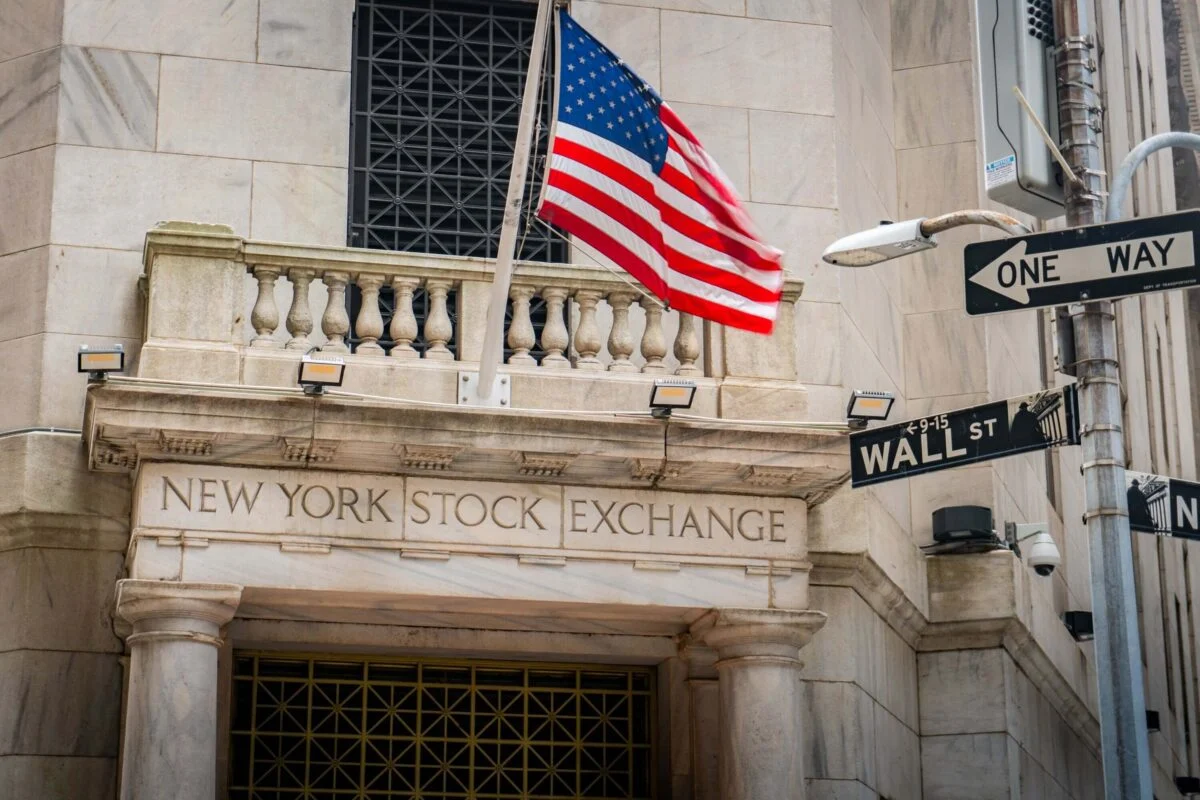
Last week, Intercontinental Exchange—which owns the New York Stock Exchange—announced an additional $600 million commitment to Polymarket. This brings ICE’s total investment commitment to $2 billion, building on an initial $1 billion position established in October 2025.
Shortly before this announcement, Kalshi secured funding in a round spearheaded by Coatue Management that assigned the company a staggering $22 billion valuation.
JPMorgan Chase’s chief executive, Jamie Dimon, revealed to CBS this week that his institution is exploring the possibility of providing prediction market capabilities to clients. Dimon clarified that any such offering would exclude political and sports betting categories, while implementing rigorous insider trading protections.
Goldman Sachs leader David Solomon has similarly signaled enthusiasm for the sector. Speaking during the firm’s Q4 earnings discussion, Solomon characterized the market as “super interesting” and disclosed that Goldman is dedicating “a lot of time” to assessing potential integration with current service offerings.
Fintech companies have already made their entrance. Platforms including Robinhood, Crypto.com, Coinbase, and Gemini have all launched prediction market capabilities. Industry reports suggest Binance is currently testing comparable functionality.
Proprietary trading operations and investment funds are establishing positions as well. Firms such as Jump Trading, Susquehanna International Group, DRW, AQR Capital Management, Millennium Management, and Andreessen Horowitz have gained exposure through active trading, infrastructure development, or direct capital deployment.
Established financial news sources like Bloomberg, Google Finance, and CNBC have begun integrating prediction market information into their data offerings.
Critical Legal Classification Could Determine Industry Survival
Despite substantial capital inflows, the legal framework governing prediction markets remains fundamentally uncertain.
Should judicial authorities determine these contracts qualify as derivatives, platforms would likely continue operations under federal supervision. Such a determination would significantly disrupt traditional gambling businesses and impact state governments dependent on gambling-related tax revenues.
Alternatively, if sports-focused contracts receive a gambling classification, it could eliminate a substantial portion of platform activity. Sports-related contracts account for approximately 90% of Kalshi’s transaction volume.
A 2024 federal court decision determined that the CFTC exceeded its authority when attempting to prohibit Kalshi’s political event contracts. The CFTC abandoned its appeal in 2025. However, because no binding appellate precedent emerged, the classification status of other contract types—particularly those involving sporting events—remains vulnerable to legal challenge.
Numerous state governments have already initiated enforcement measures against prediction market operators. Legislative proposals to restrict or prohibit these platforms have surfaced in at least twelve states.
At the national level, 40 Democratic members of Congress submitted correspondence this week requesting the current administration establish government-wide educational programs addressing insider trading risks within prediction markets.
Questions About Market Integrity Emerge Alongside Rising Valuations
Investor confidence represents another significant challenge facing the industry.
Research conducted by Truist Securities revealed that 60% of participants believe insider trading is actively occurring on prediction market platforms. Unlike conventional financial exchanges, prediction markets frequently focus on real-world developments where informational advantages prove difficult to monitor and control.
Both Kalshi and Polymarket implemented fresh policies in March designed to combat insider trading and market manipulation. The effectiveness of enforcement for these new standards has yet to be demonstrated.
Polling data commissioned by the advocacy organization Gambling is Not Investing showed most Americans perceive sports event contracts as gambling activities. Although the survey originated from an industry opposition group, the findings underscore a public perception obstacle the sector must address.
Prediction markets have experienced more favorable treatment from federal authorities under the current Trump administration. Donald Trump Jr. maintains advisory positions with both Kalshi and Polymarket and has reportedly made personal investments in Polymarket.
This week, 40 congressional Democrats issued calls for enhanced regulatory oversight, indicating the political conversation surrounding these platforms remains actively contested.
