



Executive Summary
- Flash memory producer Sandisk posted a remarkable 168% gain in Q1 2025, marking its strongest quarterly performance on record and extending its 12-month surge to 1,220%
- Technology stocks underperformed the broader market, with the Technology Select Sector SPDR ETF declining 7.90% compared to the S&P 500’s 4.81% loss
- Mobile gaming platform AppLovin topped the loser list with a 44.78% decline, trailed by Workday, Fair Isaac, Gartner, and Intuit
- Artificial intelligence usage has reached mainstream levels — roughly 75% of American consumers utilize AI for personal purposes, while 72% apply it in professional settings
- Market experts remain divided: certain analysts view the technology downturn as a strategic entry point, while others caution about potential AI-related workforce disruption
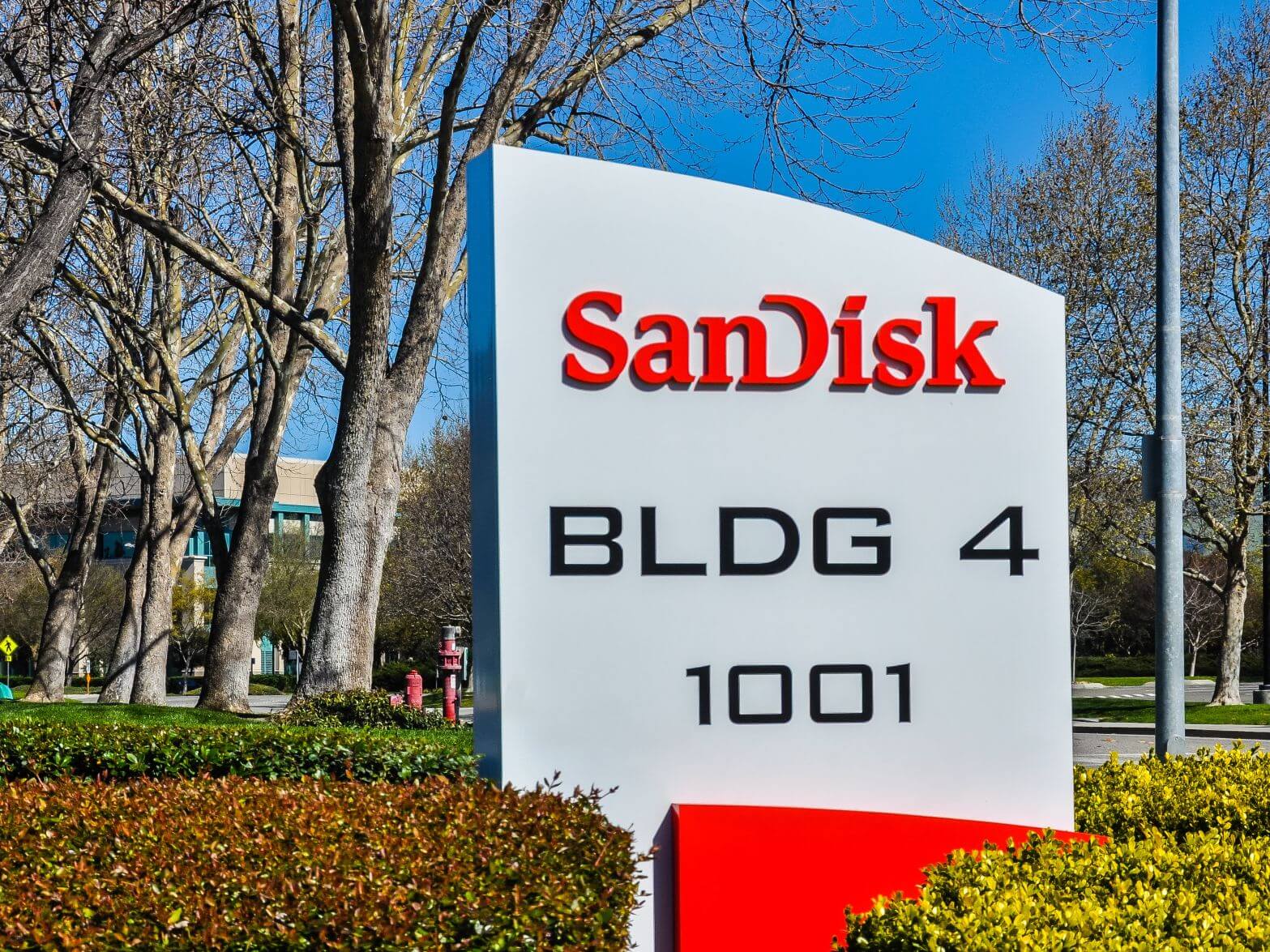
The flash memory specialist Sandisk delivered an exceptional performance during the first quarter, skyrocketing 168% to claim the top position among S&P 500 technology stocks. This phenomenal quarterly result brings the company’s 12-month cumulative return to an astounding 1,220%.
The overall technology landscape painted a contrasting picture. The Technology Select Sector SPDR ETF tumbled 7.90% during Q1, experiencing steeper losses than the benchmark S&P 500 index, which declined 4.81% throughout the identical timeframe.
Despite challenging market conditions, multiple technology names delivered impressive returns. Lumentum Holdings advanced 77.65%, Ciena surged 56.07%, Corning appreciated 46.81%, and Western Digital registered a 46.09% quarterly increase.
Conversely, AppLovin emerged as the quarter’s most significant underperformer within the tech sector, plunging 44.78%. Workday tumbled 40.05%, Fair Isaac retreated 38.01%, Gartner shed 36.92%, and Intuit experienced a 35.23% decline.
Market anxiety centered on artificial intelligence potentially rendering established software providers irrelevant contributed to the downturn. During a February appearance on CNBC, Constellation Research’s Ray Wang characterized this market response as excessive.
Wang dismissed the narrative as an unjustified “SaaS apocalypse,” asserting that fundamentally sound software-as-a-service businesses were experiencing unwarranted market punishment.
Research published by Morgan Stanley during the same timeframe revealed artificial intelligence’s rapid integration into everyday activities. Surveying approximately 2,000 American consumers, the study determined that 75% deploy AI for personal applications and 72% utilize it professionally, with nearly 20% engaging with it on a daily basis.
Artificial Intelligence Concerns Trigger Market Retreat
Apprehension that artificial intelligence would erode traditional software demand partially drove the technology sector’s weakness. This perspective particularly impacted companies like Workday and Intuit, both providers of workforce management and financial software solutions.
Wedbush Securities analyst Dan Ives countered this sentiment in March, characterizing the selloff as an attractive accumulation opportunity — particularly within cybersecurity and software segments connected to AI infrastructure expansion.
Seeking Alpha analyst David Templeton similarly contended that artificial intelligence is more probable to complement employment rather than destroy it. He drew parallels to previous industrial and technological transformations, noting that innovation historically generated more opportunities than it eliminated.
Sandisk’s Unprecedented Performance
Sandisk’s remarkable ascent distinguished itself from broader sector trends. The flash memory provider capitalized on robust demand linked to artificial intelligence infrastructure and data storage requirements.
The 168% first-quarter surge represented the strongest quarterly performance throughout the company’s entire history. This achievement materialized despite broader market headwinds stemming from U.S.–Iran geopolitical tensions and worldwide economic instability.
Lumentum and Ciena, both specializing in optical networking solutions, similarly delivered strong quarterly results as AI data center connectivity requirements intensified.
According to available market data, Sandisk shares concluded Q1 with a 141.17% year-to-date appreciation, while alternative sources documented the Q1 gain independently at 168%, demonstrating sustained purchasing momentum throughout March.
