



TLDR
- Royal Caribbean (RCL) shares declined 6% to beneath $270 as crude oil prices climbed toward the $95–$100 range after Iranian forces attacked oil tankers near the Strait of Hormuz.
- Carnival (CCL) saw a 6% decline while Norwegian (NCLH) lost 2.5–4.8%, with Carnival facing the greatest risk due to zero fuel hedging strategy.
- Iranian Revolutionary Guards issued threats to target all vessels navigating through the Strait of Hormuz, a critical pathway for approximately 21 million barrels of daily oil shipments.
- Royal Caribbean maintains stronger protection than competitors — the company has secured hedges on more than 50% of 2026 fuel requirements and confirmed it won’t implement fuel surcharges.
- Goldman Sachs upgraded its Q4 2026 Brent projection to $71/barrel; both Brent and WTI have jumped 36–39% since Middle East hostilities escalated.
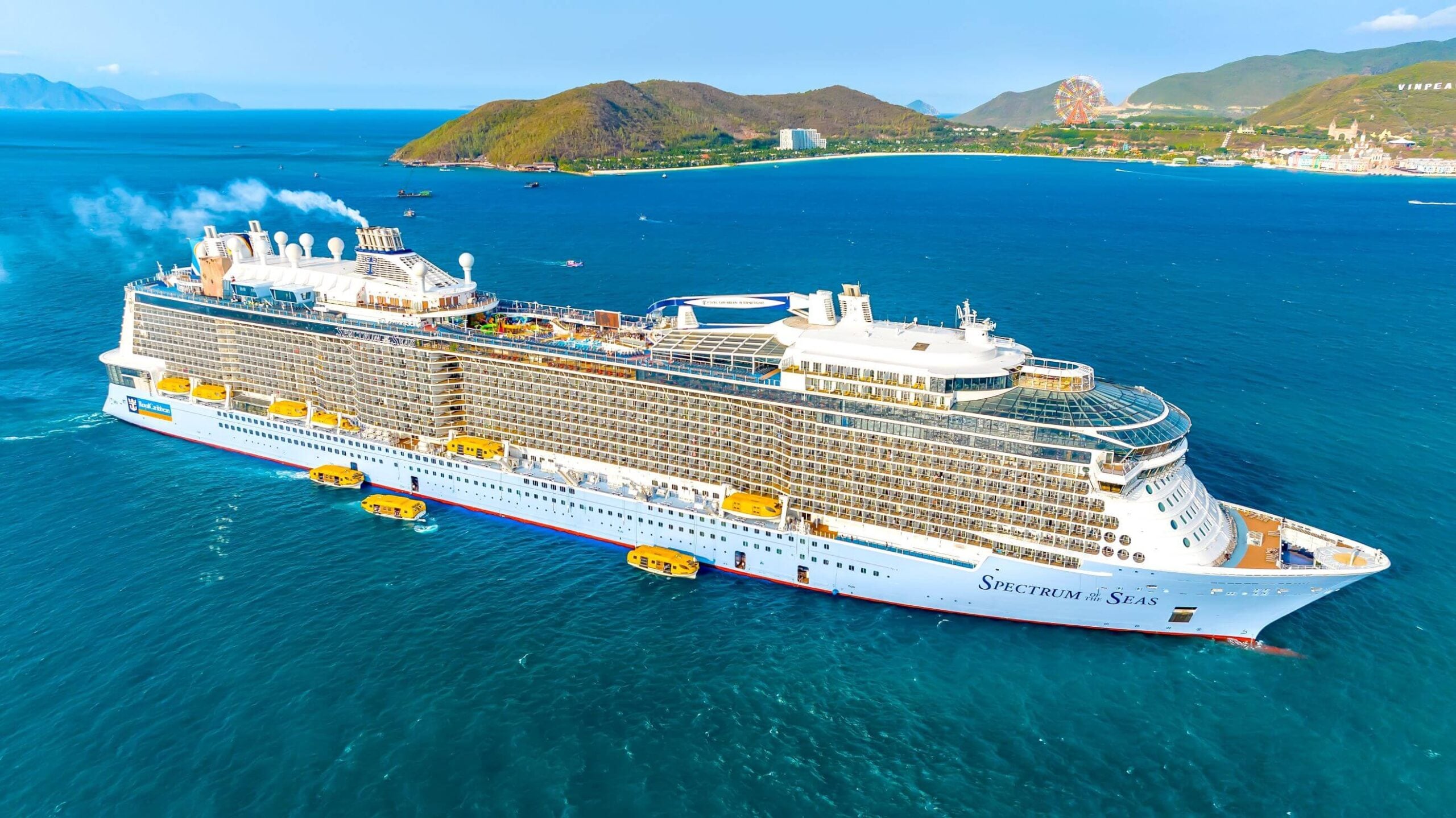
Royal Caribbean (RCL) shares have tumbled 6% below the $270 mark, pulled down with the wider cruise industry as oil prices surge dramatically amid mounting Middle Eastern geopolitical tensions.
Royal Caribbean Cruises Ltd., RCL
The trigger is unmistakable. Iranian forces launched strikes against two oil tankers operating in Iraqi territorial waters during the overnight hours of March 11–12, pushing the total vessel count attacked in the area to at least 16 since U.S.-Israeli military operations in Iran commenced on February 28. Brent crude surged 8% to reach $99.29 per barrel, while WTI advanced to $93.93. Both oil benchmarks momentarily exceeded $119 as recently as Monday, March 9.
Iran’s Revolutionary Guards subsequently escalated tensions by issuing warnings that any ship attempting passage through the Strait of Hormuz — a critical waterway managing approximately 21 million barrels of daily oil flow, representing roughly one-fifth of worldwide supply — faces potential attack. Tanker movements through this strategic strait plummeted from approximately 60 vessels daily to merely five on March 1.
“If the reduction in tanker traffic continues for a week or so it will be historic,” said Jim Burkhard, S&P Global’s head of crude oil research.
Fuel expenses typically represent 10–15% of cruise line revenue, meaning prolonged oil price spikes create immediate and substantial financial pressure on the sector.
Carnival Takes the Biggest Hit
Carnival (CCL) has declined 6% during trading and finds itself in the most precarious position. The cruise operator maintains no fuel hedging program, allowing every dollar increase in crude prices to directly impact its cost base. Industry analysts project that a sustained $20 crude price increase could reduce Carnival’s annual operating income by $400–600 million, translating to approximately $0.30–$0.45 per share.
Norwegian Cruise Line (NCLH) has fallen between 2.5% and 4.8% across various trading snapshots, though it faced pressure before these developments. The company recently released a profit warning, acknowledging “execution missteps” and poorly timed Caribbean capacity additions. That warning initially drove NCLH down as much as 14.5% prior to today’s trading.
Viking Holdings (VIK) also experienced declines ranging from 2.9–6.5% during pre-market and early session activity.
Why RCL Is Holding Up Better
Royal Caribbean has secured hedging contracts covering more than half its 2026 fuel requirements at more favorable price points. This provides meaningful protection that Carnival completely lacks. The company also confirmed it won’t be implementing fuel surcharges, demonstrating operational and financial resilience.
The financial fundamentals support this positioning. RCL delivered Q4 2025 earnings per share of $2.80 on revenues of $4.26 billion. Leadership provided full-year 2026 EPS guidance of $17.70–$18.10. Approximately two-thirds of 2026 sailing capacity has already been reserved at unprecedented pricing levels.
Institutional investment stands at 87.53%. Russell Investments expanded its position by 49.3%, Capital International established 308,330 new shares, and Schroder boosted its holdings by 25.2%.
Morgan Stanley observed that the conflict’s effects are primarily focused on Red Sea shipping lanes and fuel expenditures. Vessels rerouting to avoid conflict zones consume additional fuel and encounter scheduling disruptions and port complications.
RCL has retreated 19% during the past month from its peak of $346.16. The consensus analyst price target remains at $348.28. Carnival’s Q4 2025 financial results are anticipated around March 19, where executives will likely address fuel cost exposure and provide 2026 outlook.
Goldman Sachs increased its Q4 2026 Brent crude projection to $71 per barrel from $66, anticipating extended disruption to oil shipments through the Strait of Hormuz.
